
5 Best Grounding Mats for Electron Balancing in 2026


Table of Contents
- Quick Comparison: 5 Best Grounding Mats for Electron Balancing
- How We Evaluated These Grounding Mats
- 1. Life Force: Integrated Wellness Technology for Electron Balancing
- 2. Hooga Grounding Mat: Best for Daily Desk Use
- 3. HigherDOSE Infrared PEMF Go Mat: Grounding Mat vs PEMF Mat
- 4. GroundingWellness.org Grounding Mat: Maximum Conductivity
- 5. EARTH AND MOON Grounding Mat: Best Budget Option
- Benefits of Earthing Mats: What the Science Says
- Frequently Asked Questions
Last Updated: September 24, 2026
Quick Comparison: 5 Best Grounding Mats for Electron Balancing
Grounding mats are conductive surfaces that connect your body to the Earth’s electrical potential, allowing electron transfer to support bio-electrical balance. This guide from Life Force examines five options for Atlanta households and home offices, weighing materials, conductivity, and safety.
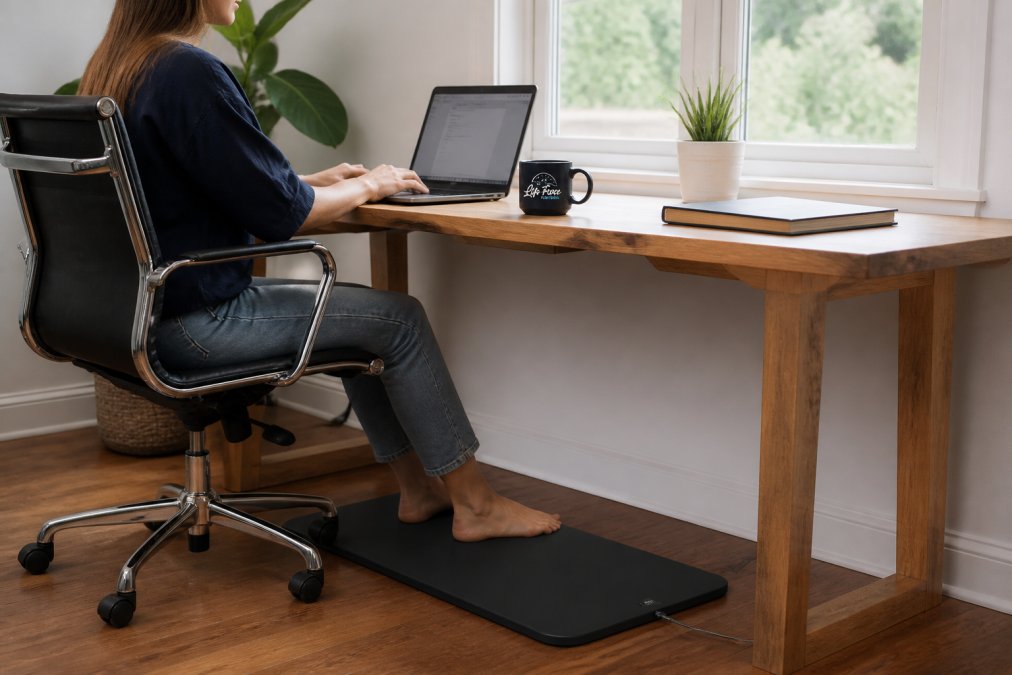
The market splits into two camps: simple carbon-infused mats for barefoot desk use, and multi-modality systems that fold grounding into a broader wellness platform. Most buyers only need the first, but if you already run separate devices for light therapy, PEMF, and recovery, the math changes.
Below, we break down what each mat does well, where it falls short, and who should buy it, plus conductivity testing, long-term degradation, and the electrical safety questions most listicles skip.

| Product | Starting Price | Material | Best For |
|---|---|---|---|
| Life Force | Quote on request | Integrated multi-modality system | Whole-body wellness integration |
| Hooga | $49.95 | 95% organic cotton, 5% silver | Daily desk use |
| HigherDOSE Go Mat | $1,099.00 | Infrared, PEMF, grounding layers | Recovery and meditation sessions |
| GroundingWellness.org | $89.00 | Silver-thread mesh | Maximum conductivity |
| EARTH AND MOON | $55.00 | Carbon-infused surface | Budget entry point |
How We Evaluated These Grounding Mats
We scored each mat on five criteria: material conductivity, durability, ease of setup, electrical safety compatibility, and value for the price. Conductivity matters most, a mat that reads high resistance on a multimeter won’t move electrons efficiently, no matter what the marketing says.

1. Conductivity and resistance testing
A functioning grounding mat should read low resistance between the conductive surface and the ground pin of your outlet cord, typically single-digit to low-double-digit ohms when new and properly connected. Carbon-infused mats read higher than silver-thread mats of the same size, and that gap widens with age.
2. Durability and long-term conductivity degradation
This is the criterion most listicles skip. Every conductive mat loses efficiency as its surface oxidizes and fibers wear. Silver-thread construction resists that decline better than carbon-infused surfaces, which is why silver mats cost more up front.
3. Setup and electrical safety in Atlanta homes
Every mat here uses a standard US grounded outlet, and each should be checked with an outlet tester before first use. A miswired outlet defeats the entire purpose.
Never assume a wall outlet is properly grounded. An outlet tester costs a few dollars and confirms the grounding port actually connects to earth. Plugging a mat into an ungrounded outlet gives you the sensation of grounding with none of the electron transfer.
4. Material comparison: carbon fiber vs. silver thread
| Material | Conductivity | Durability | Typical Cost | Best For |
|---|---|---|---|---|
| Carbon-infused | Moderate | Degrades in 12-24 months of daily use | Lower | Beginners, occasional use |
| Silver-thread mesh | High | Holds spec longer; silver can tarnish | Higher | Daily users, long-term buyers |
| Hybrid (carbon + silver) | High | Middle ground | Mid | Buyers who want both |
5. Value and honest pricing
We weighed price against expected lifespan, not sticker price alone. A $55 carbon mat that needs replacing in two years costs more per year than an $89 silver mat that lasts four. That math matters more than the number on the tag.
6. Home office ergonomics
For Atlanta’s large remote-work population, the mat’s job is to sit under a desk chair or bare feet without sliding, curling, or interfering with casters. Non-slip backing and a thin profile work better in home offices than thick padded versions, and if you split time between a home desk and a coworking space, portability and cord length matter as much as conductivity.
1. Life Force: Integrated Wellness Technology for Electron Balancing
Life Force takes a different approach than a standalone mat. The Life Force MedBed is a wellness technology platform that combines grounding and electron-balancing concepts with bioresonance, PEMF, red and near-infrared light, vibration, sound therapy, and oxygen therapy in one system.
Buyers who want grounding as one layer of a broader wellness system rather than a single-purpose mat.
2. Hooga Grounding Mat: Best for Daily Desk Use
Hooga’s mat is the straightforward choice for anyone who wants to ground while working. Its surface is 95% organic cotton with 5% pure silver, giving it better conductivity than carbon-infused alternatives at a similar size.

3. HigherDOSE Infrared PEMF Go Mat: Grounding Mat vs PEMF Mat
This is where the grounding mat vs PEMF mat question gets useful. HigherDOSE combines both: far-infrared heat, pulsed electromagnetic field technology, and a grounding layer in one mat.
4. GroundingWellness.org Grounding Mat: Maximum Conductivity
Conductivity is the whole story with this mat. Its premium silver-thread mesh is designed for oxidation resistance, so the conductive surface degrades more slowly than carbon alternatives over years of use.
5. EARTH AND MOON Grounding Mat: Best Budget Option
Beginners should start here. At $55.00, this carbon-infused mat covers the basics without a premium commitment before you know whether grounding fits your routine.
Benefits of Earthing Mats: What the Science Says
The benefits of earthing mats center on electron transfer and its reported effects on inflammation, nervous system regulation, and sleep quality. Many users report falling asleep faster and waking less often, though results vary and rigorous large-scale trials remain limited.
The proposed mechanism
The Earth’s surface carries a negative charge, and direct skin contact lets free electrons flow into the body, where they may help neutralize free radicals tied to oxidative stress. Grounding mats replicate that contact indoors through a conductive surface and grounding wire. The physics is straightforward; the clinical evidence is thinner than the marketing suggests.
What the research actually supports
Most published grounding studies are small, short, and often industry-funded, which is why mainstream medical bodies treat grounding as promising but unproven. Commonly cited outcomes, reduced subjective stress, improved sleep onset, minor reductions in inflammatory markers, come from small trials, not large randomized controlled studies. That doesn’t mean grounding is useless; it means buyers should calibrate expectations.
Contraindications: who should NOT use a grounding mat
This is the section most listicles omit, and it’s the one that matters most for safety.
- Implanted electronic devices. Anyone with a pacemaker, implanted defibrillator, insulin pump, deep brain stimulator, or vagus nerve stimulator should consult their cardiologist or device manufacturer before using a grounding mat. The concern is not that grounding is dangerous in itself, but that any change in the body’s electrical environment should be cleared by the clinician managing the device.
- Pregnancy. Grounding is generally considered low-risk, but pregnant users should check with their obstetric provider, especially if they have any history of arrhythmia or clotting disorders.
- Medication interactions. People on blood thinners, antiarrhythmics, or thyroid medication sometimes report changes in how they feel after starting grounding. Discuss with your prescriber before making it a daily habit.
- Open wounds or skin conditions. Broken skin under a conductive mat increases infection risk and can interfere with the mat’s surface. Skip the mat until skin heals.
- Children and pets. No established safety data for extended use in young children; supervise use and keep cords out of reach.
EMF and grounding: what the mat does and doesn’t do
Grounding mats are low-risk for most healthy adults, but they are not a medical treatment. If you have an implanted device, are pregnant, or take daily medication, clear it with your clinician first. This article offers general information, not medical advice.
For Atlanta readers exploring complementary recovery options, hyperbaric therapy is another modality worth researching through [Atlanta Hyperbaric Center(https://atlantahyperbariccenter.com/) | atlannahyperbariccenter.com], and clinic-focused equipment guidance is available at Hyperbaric Business Solutions.
Frequently Asked Questions
Which grounding mat is the most effective and proven?
Effectiveness depends on conductivity, material quality, and consistent skin contact. Silver-threaded mats like GroundingWellness.org resist oxidation and maintain conductivity longer. Carbon-infused options like EARTH AND MOON offer reliable performance at a lower cost. For integrated electron balancing alongside other therapies, Life Force MedBeds combine grounding with PEMF, red light, and bioresonance in one system. No single mat is universally “proven”; choose based on your budget, desk setup, and whether you want a standalone mat or an integrated platform.
What are the downsides of using grounding mats?
Grounding mats require proximity to a properly grounded outlet, and effectiveness drops if the outlet is faulty or the cord is damaged. Carbon-based surfaces may lose conductivity over time, especially with heavy use. Some users report mild tingling or skin irritation from silver-threaded mats. Grounding mats are not a substitute for medical treatment, and anyone with an implanted electronic device should consult a healthcare professional before use. Regular testing with a multimeter helps confirm the mat still conducts properly.
How do grounding mats facilitate electron balancing in the body?
Grounding mats connect your body to the Earth’s electrical potential through a conductive surface and a grounding cord plugged into a wall outlet’s ground port. When your skin contacts the mat, electrons flow from the Earth into your body, which may help neutralize free radicals and reduce oxidative stress. This electron transfer is the core principle behind earthing. Consistent skin contact and a properly grounded outlet are essential for the effect to occur.
Are there specific safety standards for grounding mats in the United States?
Grounding mats sold in the United States should use a grounding cord with a built-in safety resistor (typically 100k ohm) to limit current in case of a fault. Look for cords that are safety-tested and compatible with standard US grounded outlets. The National Electrical Code (NEC) governs home grounding, so your outlet must be properly wired. An outlet tester can verify correct polarity and ground. Always follow the manufacturer’s instructions and avoid using mats with damaged cords.
Can grounding mats be used in conjunction with professional hyperbaric therapy?
Yes, some wellness centers combine grounding with hyperbaric oxygen therapy to support recovery and relaxation. Life Force Hyperbaric Chambers are higher quality of hyperbaric chambers for doctors, clinics and health care offices, and they can be paired with grounding protocols. Atlanta Hyperbaric Center offers supervised sessions where grounding may complement hyperbaric treatment. For business guidance on integrating such therapies, Hyperbaric Business Solutions provides resources. Always consult a qualified professional before combining therapies.
