
Benefits of Integrated Wellness Technology: 2026 Guide


Table of Contents
- What Integrated Wellness Technology Actually Does
- Real Cost Savings: How Organizations Cut Healthcare Expenses
- Employee Engagement and Productivity Gains from Wellness Platforms
- Mental Well-Being and Real-Time Health Monitoring Benefits
- Benefits of Kloud PEMF Mat Integration in Comprehensive Systems
- How to Integrate Hyperbaric Oxygen Therapy with Digital Wellness Platforms
- Clinical Applications of Bioresonance in Integrated Wellness Systems
- Why Consolidation Beats Multiple Standalone Devices
Last Updated: August 22, 2026
What Integrated Wellness Technology Actually Does
Integrated wellness technology consolidates multiple therapeutic modalities into a single, cohesive system rather than requiring users to juggle separate devices. Life Force has pioneered this approach by combining bioresonance, bioimpedance sensing, frequency-based therapies, red and near-infrared light, PEMF, vibration, sound therapy, meditation support, and oxygen integration into one platform.
According to Wellness Technology Market Trends, the global wellness technology market reached USD 98,000 million in North America alone during 2024, expanding at 14.1% annually through 2032. This growth reflects clear market preference for consolidated solutions.
Integrated wellness technology eliminates decision fatigue by handling sequencing, intensity calibration, and session duration based on personal health data. One device instead of five also reduces physical footprint, especially valuable in home wellness setups.
The biggest mistake people make with multiple standalone devices is treating them as independent tools. Integrated systems force you to think systemically: how does oxygen therapy enhance PEMF recovery? This interconnected thinking is where real results emerge.
Real Cost Savings: How Organizations Cut Healthcare Expenses
Organizations investing in integrated wellness technology see measurable reductions in healthcare spending. According to Case Studies: Successful Implementation of Wellness Software in the Workplace, companies implementing comprehensive wellness initiatives experienced a 28% decrease in healthcare costs over three years.
Johnson & Johnson’s health management program achieved a 50% reduction in healthcare costs per employee. Salesforce deployed a unified wellness app resulting in 38% productivity gains and significant reductions in turnover. These outcomes represent the standard result when organizations move from point solutions to integrated ecosystems.
Integrated systems generate continuous biometric data that identifies health risks before they become expensive medical events. Real-time monitoring catches early warning signs, and predictive analytics flag employees at risk of chronic conditions. Preventive interventions cost far less than treating established disease. A Health Monitoring System integrated into your wellness platform ensures that this data collection happens automatically, feeding insights directly into your health dashboard.
A 28% reduction in healthcare costs over three years means an organization with 500 employees saves approximately $1.4 million annually by year three.
Employee Engagement and Productivity Gains from Wellness Platforms
Employee engagement is the hidden multiplier in integrated wellness technology adoption. According to Emerging Trends in Employee Wellness Programs: A Flexible Benefits Approach, 86% of employees felt more engaged when their workplace offered health technology solutions, resulting in a 33% increase in productivity.
Integrated wellness platforms make health optimization feel achievable rather than aspirational. Employees see real data, sleep quality improving, stress markers declining, energy levels rising, within weeks. That tangible feedback drives sustained participation.

Life Force systems enhance engagement by providing personalized insights across all modalities. An employee using bioresonance therapy sees how it impacts their heart rate variability. PEMF sessions show measurable recovery metrics. The integrated dashboard tells a coherent story about their health trajectory.
According to research from the International Foundation of Employee Benefits Plans, companies implementing comprehensive wellness initiatives saw a 25% reduction in employee absenteeism. When employees view their employer as invested in their long-term health, retention improves significantly, offsetting the cost of replacement and training.
Mental Well-Being and Real-Time Health Monitoring Benefits
Mental well-being represents the fastest-growing focus area in integrated wellness technology. Modern integrated systems combine biofeedback, heart rate variability monitoring, sleep architecture analysis, and stress biomarkers to create a comprehensive mental health picture.
Real-time health monitoring means intervention happens before crisis. A person’s HRV data might indicate elevated stress 48 hours before they consciously recognize it. The system prompts meditation, breathwork, or grounding protocols, preventing burnout rather than treating it after the fact.
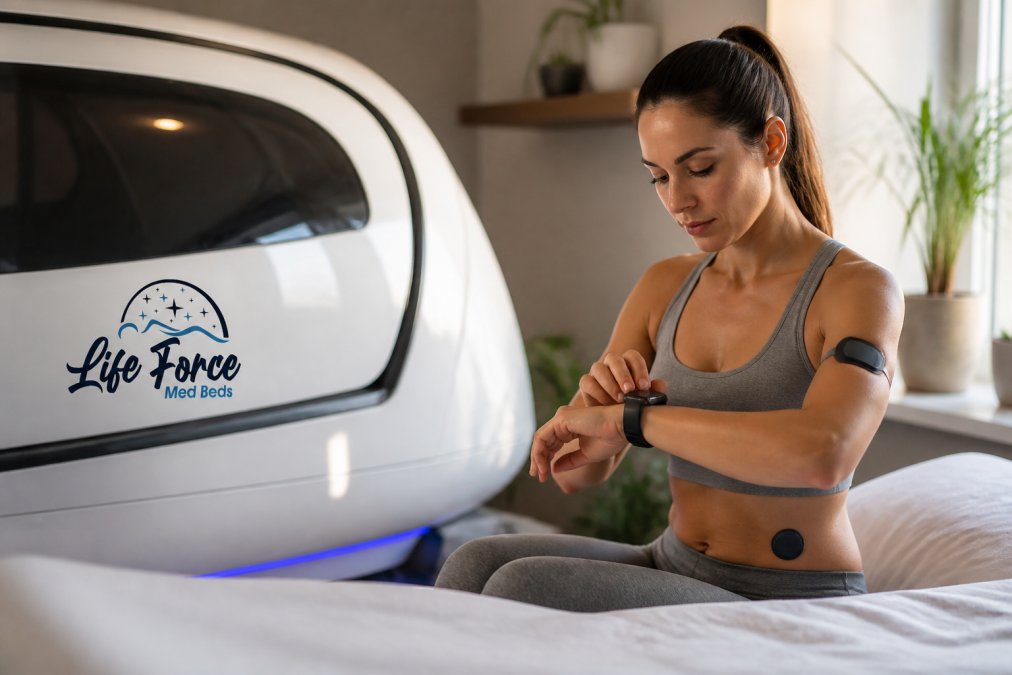
According to Emerging Trends in Employee Wellness Programs: A Flexible Benefits Approach, 74% of users who engaged with wellness technology reported improved mental clarity and reduced stress levels. This improvement is clinically meaningful, with people reporting better mood stability, sharper cognitive function, and greater emotional resilience.
Integrated systems excel because they address multiple pathways to mental wellness simultaneously. Red light therapy supports circadian rhythm regulation. PEMF therapy influences neurological function. Meditation modules provide direct stress reduction. Biofeedback teaches nervous system self-regulation. Together, these modalities create redundancy where multiple pathways support mental health.
Benefits of Kloud PEMF Mat Integration in Comprehensive Systems
PEMF (Pulsed Electromagnetic Field) therapy has emerged as one of the most evidence-backed modalities in integrated wellness technology. The Kloud PEMF mat, when integrated into a comprehensive system, delivers benefits that standalone PEMF devices cannot match. home wellness gadgets.
PEMF therapy works by generating electromagnetic pulses that improve ATP production and enhance circulation. Recovery accelerates, inflammation markers decline, and joint mobility improves. Integrated systems amplify these benefits by personalizing intensity, frequency, and duration based on biometric feedback rather than using fixed protocols.
Life Force systems incorporating PEMF therapy allow real-time adjustment based on your current nervous system state, muscle tension, and recovery metrics. A person might use PEMF for 20 minutes, follow with bioresonance therapy calibrated to their specific frequency needs, and finish with meditation support, all within a single integrated session.
Standalone PEMF mats vary dramatically in quality and effectiveness. Integrated systems from established manufacturers like Life Force ensure PEMF protocols are evidence-based and properly calibrated. This quality difference matters significantly for long-term outcomes.
How to Integrate Hyperbaric Oxygen Therapy with Digital Wellness Platforms
Hyperbaric oxygen therapy (HBOT) represents a powerful addition to integrated wellness systems for recovery optimization and cellular regeneration. Integration with digital wellness platforms creates monitoring and personalization capabilities that standalone hyperbaric chambers cannot provide.
Hyperbaric therapy increases oxygen availability at the cellular level by delivering 95% oxygen at elevated atmospheric pressure, dramatically increasing dissolved oxygen in the bloodstream. This oxygen reaches tissues that might be hypoxic or under-perfused, accelerating healing and recovery.
Life Force Hyperbaric Chambers are specifically designed for doctors, clinics, and health care offices seeking higher quality hyperbaric systems that integrate seamlessly with digital wellness ecosystems. Unlike consumer-grade products, these chambers provide clinical-grade reliability and performance monitoring.
Integration with digital platforms means real-time monitoring of oxygen saturation, heart rate response, and recovery metrics throughout the session. Post-session biometric data feeds directly into your wellness dashboard. The system learns which oxygen protocols produce the best outcomes for your physiology and automatically adjusts future sessions.
For organizations in Atlanta and across the United States, integrated hyperbaric systems eliminate the disconnect between therapy and measurement. Athletes use integrated hyperbaric protocols for faster recovery between training sessions. Individuals recovering from surgery see accelerated healing. People managing chronic inflammatory conditions experience measurable improvement. Services like Atlanta Hyperbaric Center and resources from Hyperbaric Business Solutions provide guidance on integrating these systems into comprehensive wellness programs.
Clinical Applications of Bioresonance in Integrated Wellness Systems
Bioresonance therapy represents one of the most sophisticated modalities available in integrated wellness technology. The concept involves analyzing the body’s electromagnetic frequencies and using targeted frequency therapy to restore optimal function.
Healthy cells and tissues emit specific electromagnetic signatures. Disease states alter these signatures. Bioresonance systems measure these frequencies, identify deviations from optimal patterns, and deliver corrective frequency therapy designed to restore normal function.
When integrated into comprehensive systems, bioresonance becomes dramatically more effective. The system measures your baseline frequencies across multiple organ systems and learns your unique healthy pattern. When stress, illness, or dysfunction occurs, the bioresonance component detects the deviation and automatically initiates corrective protocols.
Dr. Louis Hilliard, the inventor of the med bed, pioneered many of the frequency-based principles that modern integrated wellness systems now employ. His work demonstrated that combining multiple frequency modalities, bioresonance, Rife frequencies, sound therapy, produces superior outcomes compared to single-modality approaches.
Clinical applications include immune system optimization, inflammation reduction, pain management, and recovery acceleration. Integrated systems track which frequency protocols work best for your individual physiology, automatically applying the most effective combinations in future sessions.
Why Consolidation Beats Multiple Standalone Devices
The argument for integrated wellness technology versus standalone devices rests on three factors: data coherence, synergistic effects, and user compliance.
Data coherence means you have a single source of truth about your health status. Multiple devices create five different dashboards, five different measurement methodologies, and five separate data streams. Integrating that information manually is cognitively exhausting and most people abandon the effort, missing patterns that would otherwise be obvious.
Synergistic effects occur when multiple modalities work together more effectively than in isolation. Red light therapy primes cells for better ATP production. PEMF therapy enhances that ATP availability. Bioresonance therapy optimizes frequency function. Oxygen therapy ensures adequate substrate availability. Used sequentially in an integrated protocol, these modalities produce compound benefits exceeding the sum of individual effects.
User compliance determines real-world success. Standalone devices require discipline and most people abandon this complexity within weeks. Integrated systems eliminate this friction with a single daily session addressing multiple health dimensions. Compliance rates are dramatically higher.
Organizations investing in employee wellness report that integrated platform adoption rates exceed 60%, while standalone device adoption rarely exceeds 15%. For individuals in Atlanta and throughout the United States seeking comprehensive wellness optimization, consolidation is the practical choice. Life Force systems demonstrate that integrated approaches deliver measurable results that fragmented tooling cannot match.
Integrated wellness technology addresses a fundamental gap in modern health optimization by providing coherent, personalized, data-driven wellness solutions that fit into daily life. Organizations implementing these systems see 28% reductions in healthcare costs, 33% productivity gains, and measurable improvements in employee retention. For individuals in Atlanta seeking clinical-grade integrated wellness solutions, Life Force systems combined with Med Bed Sales and services from Atlanta Hyperbaric Center provide comprehensive options that consolidate multiple therapeutic modalities into a single, personalized platform. The investment in integration pays dividends through better health outcomes, lower costs, and sustainable behavioral change.
Frequently Asked Questions
What are the primary benefits of integrating multiple wellness modalities?
Integrated wellness technology consolidates separate devices, PEMF mats, light therapy panels, oxygen systems, into one unified platform. This eliminates the friction of switching between devices, reduces setup time, and enables the system to cross-reference data from multiple modalities simultaneously. Organizations using integrated platforms report 28% reductions in healthcare costs over three years and 33% productivity gains because employees spend less time managing individual tools and more time on actual wellness activities.
How does bioresonance technology complement PEMF therapy in an integrated system?
Bioresonance measures the body's electrical frequencies and can identify energetic imbalances, while PEMF therapy applies electromagnetic pulses to support cellular function. When integrated, bioresonance scanning can inform PEMF settings, allowing the system to deliver frequency-matched stimulation tailored to individual biometric data. This data-driven pairing is more precise than using either modality alone, creating a feedback loop that personalizes the wellness experience based on real-time biosensing.
Why should I consolidate multiple wellness devices into one system instead of buying specialized tools separately?
Consolidation solves three critical problems: complexity, data silos, and cost of ownership. Separate devices require different apps, charging cables, and learning curves, most people abandon 60% of wellness devices within six months. An integrated system like the Life Force MedBed unifies monitoring, eliminates redundant sensors, and creates a single data ecosystem where light therapy, PEMF, oxygen therapy, and bioresonance inform each other. The result is faster results, better adherence, and lower total cost of ownership compared to buying multiple specialized devices.
How much time do I need to spend using an integrated wellness platform to see results?
Most users see measurable improvements in sleep quality, stress markers, and energy levels within 2-4 weeks of consistent use, typically 20-30 minutes per session, 3-5 times weekly. Organizations that integrated wellness platforms into employee routines saw 25% reductions in absenteeism and measurable productivity gains within the first quarter. The key is consistency rather than duration; integrated systems are designed to fit into existing schedules, often replacing time spent on separate devices rather than adding new commitments.
