
Benefits of Combining PEMF and Light Therapy


Table of Contents
- How PEMF and Red Light Therapy Work at the Cellular Level
- The Synergistic Effect of Combined PEMF and Light Modalities
- PEMF Therapy Recovery Protocols for Optimal Results
- Red Light Therapy Session Duration and Treatment Timing
- How to Optimize Recovery with Bioresonance Integration
- Clinical Evidence and Real-World Applications
- Home vs. Clinical Application and Safety Considerations
- Conclusion
Last Updated: August 19, 2026
How PEMF and Red Light Therapy Work at the Cellular Level
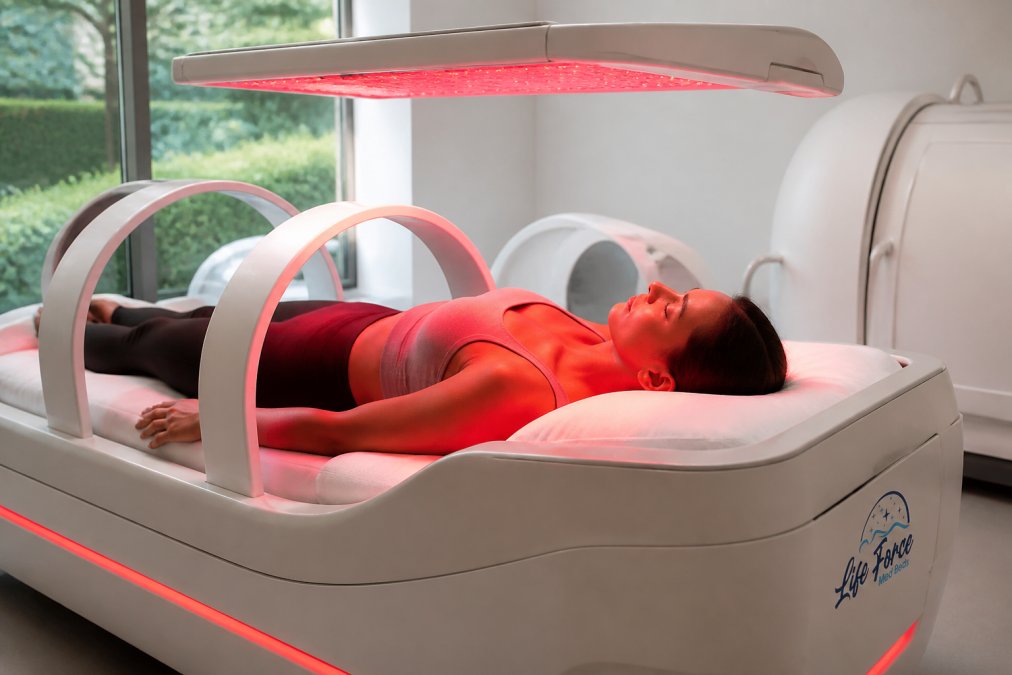
The benefits of combining PEMF and light therapy rest on a fundamental understanding of how these modalities operate at the cellular level. PEMF therapy uses pulsed electromagnetic fields to influence cellular signaling, while red light therapy, more precisely called photobiomodulation, works through a completely different mechanism involving mitochondrial energy production. When used together, these two modalities address complementary biological pathways, creating what researchers call a synergistic effect that neither therapy achieves alone.
Pulsed Electromagnetic Fields and Cellular Signaling
Pulsed electromagnetic fields work by generating specific frequencies that influence the electrical properties of cell membranes. When PEMF pulses pass through tissue, they affect ion channels, the cellular gateways that regulate sodium, potassium, calcium, and other ions critical to cellular function. This process, called cellular signaling, triggers a cascade of biochemical responses that support tissue repair, reduce systemic inflammation, and promote homeostasis.
The mechanism is measurable. According to research from the University of Miami’s clinical trials, PEMF therapy significantly influences how cells communicate and respond to injury. High-frequency PEMF helps reduce muscle inflammation by 58% within 48 hours of injury, a finding that explains why athletes and rehabilitation clinics have adopted this technology so widely. Over 50% of orthopedic rehabilitation clinics in North America now use some form of PEMF device as a standard part of recovery protocols.
What makes PEMF particularly effective is its ability to reach deeper tissues. Unlike light-based therapies that interact primarily with surface and mid-depth layers, electromagnetic fields penetrate bone, cartilage, and muscle tissue, restoring the electrical potential that damaged or inflamed cells have lost.
Photobiomodulation and Mitochondrial Energy Production
Red light and near-infrared light operate through an entirely different biological pathway. When photons from these wavelengths penetrate tissue, they’re absorbed by cytochrome c oxidase, an enzyme in the inner mitochondrial membrane. This absorption stimulates ATP synthesis, the process by which mitochondria generate adenosine triphosphate, the energy currency of every cell in your body.
Mitochondrial energy production is foundational to cellular repair, immune function, and recovery. Tissues with higher ATP availability heal faster, respond better to stress, and maintain better function under load. This is why photobiomodulation has gained traction in sports medicine and clinical settings. The wavelengths that work best, typically 600-1000 nanometers, penetrate tissue effectively while triggering this critical enzymatic response.
The distinction matters. PEMF influences electrical activity and cellular signaling; photobiomodulation directly enhances energy production. One optimizes the cellular communication network, the other fuels the cellular powerhouse.
The Synergistic Effect of Combined PEMF and Light Modalities
When practitioners combine PEMF and light therapy, they’re not simply stacking two independent treatments. The research suggests that PEMF creates what some practitioners call "fertile soil" at the cellular level by optimizing cellular electrical function and ion channel activity. Once that cellular environment is primed, red light therapy can more effectively deliver photons to cells that are already electrochemically prepared to use them.
This synergistic approach has emerged as a dominant trend in wellness clinics and biohacking communities. According to recent market analysis from Grand View Research, the global PEMF therapy device market reached USD 523.4 million in 2023 and is projected to grow to USD 784.0 million by 2030, with North America holding 41.3% of that market share. Much of this growth reflects the shift toward integrated, multi-modality approaches rather than single-technology solutions.
The practical benefit is straightforward: combining these modalities addresses multiple layers of the healing process simultaneously. PEMF reduces inflammation and restores cellular electrical balance while photobiomodulation accelerates energy production and tissue repair. Over 17 million individuals worldwide have now undergone PEMF therapy, with rising acceptance in both clinical and home care settings, reflecting growing recognition of these combined approaches.
More than 65% of elite sports teams in the United States are incorporating PEMF technology into their athletic recovery programs, often paired with light therapy for maximum effect. This adoption by high-performance athletes signals that the benefits of combining PEMF and light aren’t theoretical, they produce measurable improvements in recovery speed and tissue resilience.
PEMF Therapy Recovery Protocols for Optimal Results
The timing and duration of PEMF therapy directly influence outcomes. Most clinical protocols recommend 15-30 minute sessions, with frequency depending on the specific condition and recovery goal. For acute injury recovery, daily sessions are standard; for chronic pain management or general wellness optimization, 3-5 sessions per week typically produces results.

The protocol that works best depends on your specific application. For post-exercise recovery, applying PEMF immediately after training or within 2-4 hours of intense activity produces the strongest anti-inflammatory effect. For chronic conditions, consistency matters more than timing, daily exposure to PEMF, even at lower intensities, tends to produce cumulative benefits over 4-8 weeks.
A clinical trial at the University of Miami’s Miller School of Medicine is currently investigating PEMF devices of different power levels to determine optimal treatment parameters for chronic knee pain. The trial involves 48 subjects aged 45-65 and is examining how intensity, frequency, and duration affect pain reduction and range of motion. Early indications suggest that higher-frequency PEMF (in the 10-100 Hz range) produces faster inflammation reduction, while lower frequencies (1-10 Hz) may be better suited for deep tissue penetration and bone healing.
The key insight: PEMF therapy is not a single-dose intervention. It requires consistent, repeated exposure to produce lasting results. This is where Med Bed Sales distinguish themselves, by integrating PEMF with other modalities in a single system, they eliminate the friction of managing multiple devices and protocols separately. Rather than using a dedicated PEMF mat one day and a red light panel another, users can combine both therapies in a single session, ensuring consistency and reducing setup complexity.
Red Light Therapy Session Duration and Treatment Timing
Red light therapy sessions typically last 10-20 minutes for localized treatment and 15-30 minutes for full-body exposure. The optimal duration depends on the device’s power output and the distance from the light source to the tissue being treated. Higher-powered devices can achieve therapeutic effects in shorter timeframes, while lower-powered devices may require longer sessions.
The timing of red light therapy relative to activity matters significantly. For performance enhancement, applying red light therapy 15-30 minutes before exercise can prime mitochondrial function and improve muscular endurance. For recovery, applying red light within 30-60 minutes after training accelerates the reduction of delayed-onset muscle soreness and supports tissue repair.
When combining red light with PEMF, the sequencing is worth considering. Some practitioners suggest using PEMF first, for 15-20 minutes, to establish electrical balance and reduce inflammation, followed immediately by 15-20 minutes of red light therapy. This order allows the photons to reach cells that have been primed by PEMF stimulation, potentially enhancing photon absorption and ATP synthesis.
The evidence supports this approach. Research indicates that combining PEMF and red light therapy can potentially amplify their individual benefits, creating a more comprehensive approach to tissue healing, pain relief, and overall recovery. The synergistic mechanism works because PEMF optimizes the cellular electrical environment while photobiomodulation directly enhances mitochondrial energy production, two processes that support each other rather than compete.
How to Optimize Recovery with Bioresonance Integration
Bioresonance represents a newer frontier in combining PEMF and light therapy. Unlike simple frequency application, bioresonance systems measure the body’s own electromagnetic signature and deliver customized frequencies designed to support the body’s natural healing processes. This personalized approach moves beyond "one-size-fits-all" protocols.
Integrated med bed systems combine bioresonance with PEMF and light therapy, creating a platform that monitors and adapts to the user’s physiological state. Rather than applying fixed frequencies, these systems can assess your body’s response and adjust intensity, frequency, and waveform in real time. This bioimpedance-guided approach, sometimes called biosensing, allows for truly personalized wellness optimization.
The practical advantage is measurable. When PEMF and light therapy are combined with bioresonance feedback, users report faster recovery times, reduced pain, improved mobility, and better overall energy levels. The system essentially learns what works best for your specific physiology rather than applying generic protocols.
For home-based recovery optimization, this integration eliminates guesswork. Instead of wondering whether you’re using the right frequency or intensity, the system tells you. This removes one of the biggest barriers to consistent use, the uncertainty of whether you’re doing it correctly.
Clinical Evidence and Real-World Applications
The clinical evidence supporting combined PEMF and light therapy continues to expand. A patient who received two 20-minute treatments with PEMF therapy spaced one day apart after open heart surgery experienced dramatic reduction in pleural effusion, verified by X-rays, leading to immediate improvement in breathing. This case study, documented in peer-reviewed research, demonstrates PEMF’s rapid anti-inflammatory effects.
For chronic pain, the data is similarly compelling. Patients with lumbar pain treated with PEMF therapy showed an 82% decrease in pain. Patients with knee osteoarthritis treated with 10 sessions of PEMF therapy, each lasting 6 minutes, experienced decreased pain and stiffness with improved quality of life and no side effects, a notable contrast to NSAID treatments, which often produce gastrointestinal problems and elevated blood pressure.
Over 8.3 million patients received PEMF-based treatments for pain management in 2023 alone, reflecting widespread clinical adoption. These aren’t experimental protocols, they’re becoming standard care in orthopedic clinics, sports medicine facilities, and rehabilitation centers across the country.
The research on combining these modalities is still emerging, but early findings are promising. According to recent biohacking and wellness literature, when PEMF and red light therapy are used together consistently, clients often report faster recovery after workouts, reduced joint and muscle pain, improved mobility, and better overall energy levels. For athletic recovery specifically, the combination can be transformative, with PEMF reducing inflammation and muscle fatigue while red light therapy accelerates muscle repair and reduces soreness.
Home vs. Clinical Application and Safety Considerations
The shift toward home-based wellness technology has made combined PEMF and light therapy accessible outside clinical settings. Portable PEMF devices and red light panels are now available for residential use, reducing dependency on clinic visits. However, home application requires understanding the differences between clinical-grade and consumer-grade devices.
Clinical devices typically operate at higher power outputs and are calibrated for specific therapeutic frequencies. Consumer devices vary widely in quality and efficacy. The market flooded with low-quality PEMF devices using vague marketing terms like "quantum energy" or "magnetic waves" without scientific foundation. This proliferation has made device selection critical, choosing a quality system matters significantly for results.
Safety considerations are minimal with properly manufactured devices. PEMF therapy and photobiomodulation are non-invasive and produce no known serious adverse effects. However, certain populations should exercise caution: pregnant women, individuals with pacemakers, and people taking photosensitizing medications should consult a healthcare provider before beginning treatment.
The benefits of combining PEMF and light therapy are maximized through consistent, properly-timed application. This is where integrated systems provide distinct advantages. Rather than managing separate devices, schedules, and protocols, an integrated platform consolidates multiple modalities into a single, guided experience. The system handles protocol sequencing, duration, and intensity optimization, removing the complexity that often causes people to abandon home-based wellness routines.
For serious health optimization, the choice between home and clinical application often depends on your specific goals. Acute injury recovery or complex pain conditions typically benefit from clinical-grade equipment and professional guidance. General wellness optimization, athletic recovery, and maintenance protocols work well in home settings with quality consumer-grade systems.
The evidence is clear: combining PEMF and light therapy addresses multiple biological pathways simultaneously, producing results that neither therapy achieves alone. Whether you’re optimizing athletic recovery, managing chronic pain, or supporting general wellness, this synergistic approach has proven effective across millions of users. The key is consistency, proper sequencing, and using quality equipment calibrated for therapeutic effect.
For those seeking to consolidate multiple recovery modalities into a single system, integrated wellness platforms combine PEMF, photobiomodulation, and bioresonance technology into one platform designed specifically for personalized wellness optimization. Dr. Louis Hilliard, founder of Life Force MedBed Pod, pioneered the integration of multiple therapeutic modalities into unified platforms, a principle that now defines the next generation of wellness technology.
For clinical-grade hyperbaric solutions that complement PEMF and light therapy protocols, Hyperbaric Chamber Sales offers professional-grade equipment designed for healthcare facilities. Life Force Hyperbaric Chambers are higher quality hyperbaric solutions for doctors, clinics, and health care offices seeking comprehensive recovery systems. For additional expertise and professional guidance, Atlanta Hyperbaric Center and Hyperbaric Business Solutions provide specialized support for healthcare facilities implementing integrated recovery protocols.
Frequently Asked Questions
What are the benefits of combining PEMF and red light therapy?
Combining PEMF and red light therapy creates a synergistic effect that addresses multiple biological pathways simultaneously. PEMF therapy optimizes cellular electrical activity and ion channel function, while photobiomodulation stimulates mitochondrial energy production through ATP synthesis. Together, they enhance tissue regeneration, reduce systemic inflammation, and accelerate recovery times. Research shows that when used together consistently, clients report faster workout recovery, reduced joint and muscle pain, improved mobility, and better overall energy levels. This integrated approach is particularly effective for chronic pain management and athletic performance optimization.
Can you use PEMF and red light therapy simultaneously or back-to-back?
Yes, both approaches are effective. Some practitioners recommend using PEMF first to prime cellular ion channels, followed by red light therapy to deliver photons to cells that are already electrochemically primed. For performance enhancement, many use PEMF in the morning for about 15 minutes for an energy boost, then apply red light therapy to targeted muscles for 10-15 minutes before exercise. For recovery, PEMF may be used after training to reduce inflammation and promote tissue repair, while red light therapy can reduce soreness in superficial muscles and joints. The key is consistency and allowing adequate recovery time between sessions.
How long should a combined PEMF and light therapy session last?
Treatment duration depends on your goals and the specific devices used. For PEMF therapy alone, clinical studies show effectiveness with sessions ranging from 6 to 20 minutes. Red light therapy typically requires 10-15 minutes per targeted area. When combining both modalities, a typical integrated session might run 25-35 minutes total. However, optimal timing varies based on wavelength, frequency, intensity, and individual response. Starting with shorter sessions and gradually increasing duration allows your body to adapt. Consistency matters more than duration, regular shorter sessions often outperform sporadic longer ones in achieving cellular repair and recovery optimization.
Is there any risk of overusing PEMF or light therapy when combined?
PEMF and light therapy are non-invasive and generally well-tolerated, but overuse can diminish returns. PEMF therapy is not a magic bullet and requires consistent use over time alongside healthy lifestyle habits; users expecting quick fixes may feel disappointed. Some individuals report mild fatigue or temporary increased inflammation if sessions are too frequent or intense. The body needs time for cellular repair and metabolic adjustment. Starting conservatively, 2-3 sessions per week, and monitoring your response is recommended. If you have contraindications such as active infections, certain implanted devices, or pregnancy, consult a qualified healthcare professional before beginning combined therapy.
This article was written using GrandRanker
