
Benefits of Multi Modality Wellness Systems


Table of Contents
- What Multi Modality Wellness Systems Actually Are
- Core Benefits of Multi Modality Wellness for Clinical Outcomes
- Multimodal Rehabilitation Benefits for Recovery and Function
- Integrated Health Models: How They Reshape Wellness Delivery
- Why Consolidation Outperforms a Stack of Separate Devices
- Patient Experience Mapping: From First Session to Long-Term Results
- Implementation Roadmap for Adopting a Multi Modality Wellness Platform
- Conclusion
Last Updated: August 14, 2026
What Multi Modality Wellness Systems Actually Are
Multi modality wellness combines two or more distinct therapeutic technologies into a single, coordinated protocol to address physiological and psychological needs simultaneously. Rather than treating one symptom with one tool, these systems create a layered environment where each modality reinforces the others.
At Life Force, the MedBed platform integrates PEMF, red and near-infrared light, bioresonance, Rife-based frequencies, bioimpedance biosensing, vibration therapy, sound and frequency therapy, grounding, oxygen therapy, and guided meditation. A true multi modality wellness platform coordinates these inputs in real time, adjusting based on biosensing data and user-defined protocols, unlike separate devices that operate independently and cannot respond to each other’s outputs.
This integration is what separates coordinated wellness systems from device collections. The value lies not in any single technology but in how they interact.
Core Benefits of Multi Modality Wellness for Clinical Outcomes
The most compelling case for multi modality wellness is clinical: integrated approaches produce better outcomes than single-modality protocols for the same time investment.
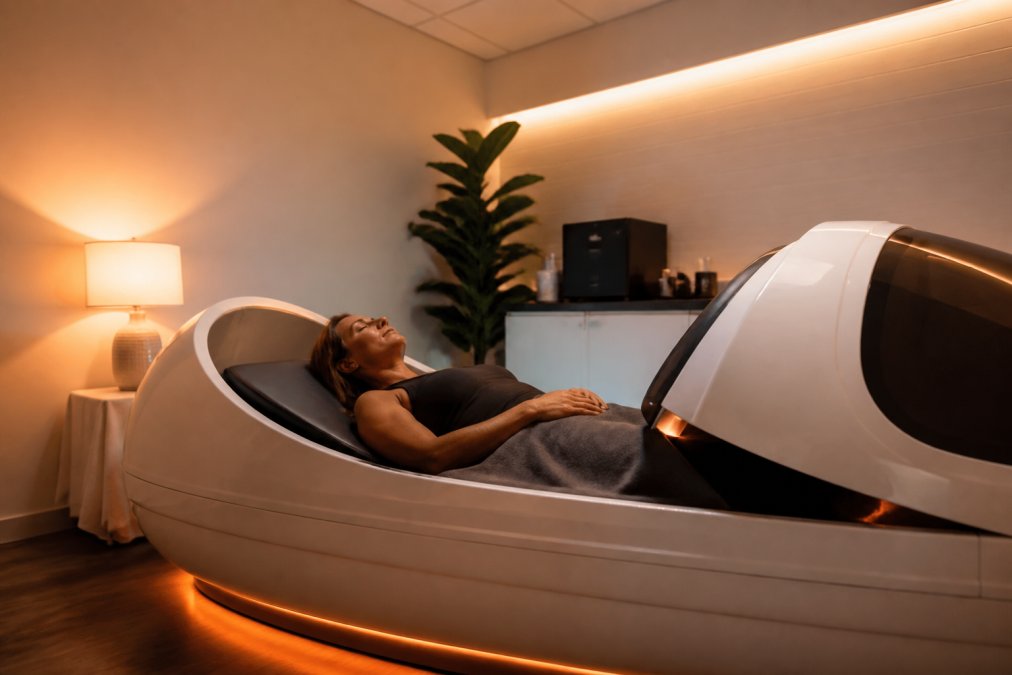
According to research published in the National Library of Medicine on multimodal therapeutic interventions, combining therapeutic modalities within a structured protocol produces synergistic effects that individual modalities cannot replicate alone. The biopsychosocial model frames health outcomes as the intersection of biological, psychological, and social factors, addressing only one dimension leaves the others unresolved.
Synergistic Effects Across Therapeutic Modalities
Most single-modality devices target one physiological pathway. Red light therapy works at the mitochondrial level. PEMF influences cellular membrane potential. Sound and vibration therapy affects the autonomic nervous system. When these modalities run concurrently or in sequence, their effects compound. Improved cellular energy from photobiomodulation may enhance the body’s responsiveness to PEMF stimulation delivered in the same session. A 45-minute integrated session can cover ground that would otherwise require separate appointments or multiple devices used across different days.
Treatment Adherence and Patient-Centered Care
The biggest obstacle to any wellness protocol is consistency. Fragmented stacks of individual tools create friction at every step: setup, sequencing, timing, and data review. Integrated platforms reduce that friction substantially. A single session replaces multiple separate routines, and when the barrier to use drops, adherence rises, the variable that determines long-term outcomes more than any individual technology.
If you are evaluating any multi modality system, ask specifically how the platform handles session sequencing. A system that requires manual configuration each time will see lower usage rates than one that stores and recalls personalized protocols automatically.
Multimodal Rehabilitation Benefits for Recovery and Function
Rehabilitation is where the evidence base for multimodal approaches is most developed. The American Physical Therapy Association’s clinical practice guidelines consistently reflect the shift toward interdisciplinary, multimodal rehabilitation protocols over isolated single-treatment approaches, particularly for musculoskeletal and neurological recovery. The core principle is functional recovery: restoring the body’s capacity to perform normal activities, not merely reducing a single symptom.
Chronic Pain Management and Functional Recovery
Chronic pain is rarely a single-pathway problem. It involves neurological sensitization, inflammation, psychological burden, and often structural factors. Integrated health models approach chronic pain through multiple simultaneous inputs. PEMF has been studied for its effects on inflammatory markers. Near-infrared light penetrates tissue to support cellular repair. Vibration therapy engages proprioceptive pathways that chronic pain disrupts. Sound frequencies shift autonomic tone away from the sympathetic dominance that amplifies pain perception.
Functional recovery is the goal, not symptom suppression. A protocol that reduces pain scores but leaves the patient deconditioned has not achieved rehabilitation. Integrated systems that combine physical stimulation with relaxation and autonomic regulation are better positioned to drive genuine functional recovery.
| Modality | Primary Target | Role in Integrated Protocol |
|---|---|---|
| PEMF | Cellular membrane, inflammation | Reduces inflammatory signaling, supports tissue repair |
| Red/NIR Light | Mitochondrial function | Enhances cellular energy, accelerates tissue recovery |
| Vibration Therapy | Proprioception, circulation | Restores movement patterning, improves blood flow |
| Sound/Frequency | Autonomic nervous system | Reduces stress response, supports relaxation |
| Oxygen Therapy | Cellular oxygenation | Supports aerobic metabolism during recovery |
| Bioresonance | Frequency-based signaling | Provides personalized frequency input based on biosensing |
Integrated Health Models: How They Reshape Wellness Delivery
The shift toward integrated health models is a structural response to the limits of siloed, single-discipline care. Healthcare delivery systems that treat the body as an interconnected system consistently outperform those that treat it as independent parts.
The Biopsychosocial Model in Practice
The biopsychosocial model holds that health and illness are products of biological mechanisms, psychological states, and social context operating together. This framework provides the theoretical foundation for why multi modality wellness systems work. A wellness session should address physiological inputs (light, frequency, PEMF), psychological inputs (guided meditation, sound therapy, autonomic regulation), and the individual’s subjective experience. Life Force’s MedBed design reflects this directly, combining frequency-based therapies, oxygen therapy, and meditative sound environments to operate across all three dimensions simultaneously.
Interoperability Challenges in Integrated Systems
Combining technologies in the same enclosure is not the same as integrating them. True integration requires interoperability, the ability of each system component to share data with the others and adjust accordingly. The standard to hold any platform to is this: does biosensing data from one modality influence the parameters of another? Does the system track outcomes longitudinally and adjust protocols based on that data?
Be cautious of wellness systems that describe themselves as multimodal but require separate apps, separate controls, or separate power management for each modality. This is a hardware bundle, not an integrated platform, and it will not deliver the synergistic effects that make multi modality wellness clinically meaningful.
Why Consolidation Outperforms a Stack of Separate Devices
A stack of individual devices requires separate maintenance, firmware updates, session timing, and data tracking. More importantly, it requires the user to manually coordinate protocols across devices, a coordination burden that introduces inconsistency, the enemy of longitudinal tracking.
Consolidated systems eliminate that coordination layer. A single session, single interface, and single data record enable meaningful outcome measurement. According to the National Institutes of Health’s review of combination therapy approaches, combining therapeutic modalities within a single delivery environment consistently outperforms sequential delivery of the same modalities in separate settings. For current pricing on the Life Force MedBed, visit the Life Force website directly, as configurations and options vary.
Patient Experience Mapping: From First Session to Long-Term Results
Patient experience in multi modality wellness follows a predictable arc.

The first session is primarily orienting. Many users report improved sleep quality and reduced baseline tension within the first week of consistent use, reflecting the autonomic regulation effect. By weeks three to six, users following a consistent protocol typically report more specific changes: energy levels, recovery from physical exertion, and cognitive clarity. Long-term results, measured over three to six months of consistent use, reveal patterns that single-session assessments cannot.
The key variable is adherence. A system used three to four times per week produces meaningfully different outcomes than one used sporadically.
The most reliable predictor of long-term results in any multi modality wellness protocol is session frequency, not session duration. Shorter, more frequent sessions consistently outperform longer, infrequent ones for both physiological adaptation and treatment adherence.
Implementation Roadmap for Adopting a Multi Modality Wellness Platform
A practical roadmap for adoption:
-
Baseline assessment first. Establish measurable baselines for your primary wellness goals: sleep quality, recovery time, pain levels, energy ratings, and available biomarkers.
-
Start with a single protocol. Most integrated platforms offer preset protocols for common goals. Start with one that matches your primary objective.
-
Commit to a minimum frequency. Three sessions per week for the first 30 days is a reasonable minimum to assess whether the protocol is producing intended effects.
-
Review data at 30-day intervals. Compare your current state against your baseline on each metric and adjust protocol parameters based on data, not subjective impressions alone.
-
Layer additional modalities gradually. Once your primary protocol is producing consistent results, introduce secondary modalities.
-
Track interoperability outputs. Use biosensing data to review how your physiological markers shift across sessions and over time.
For clinical practices considering adoption, evaluate platforms on session setup time, data export compatibility with existing records systems, and the learning curve for non-technical staff.
Long-Term ROI Metrics Worth Tracking
The return on investment for a multi modality wellness platform includes reduction in reactive healthcare spending, improvements in productivity and cognitive performance, and preventative care value. The CDC’s overview of preventive health and chronic disease burden makes clear that preventative interventions produce substantially better health-economic outcomes than reactive treatment. Tracking these metrics requires consistent data collection from session one.
The challenge for anyone serious about optimizing physiological performance is building a protocol that is consistent, measurable, and genuinely integrated. Life Force’s MedBed platform addresses that challenge directly, combining PEMF, photobiomodulation, frequency therapy, biosensing, and multiple complementary modalities into a single coordinated environment. For users who want data-driven wellness management without the overhead of managing a fragmented device stack, the integrated approach is essential. For current pricing on the Life Force MedBed, visit the Life Force website directly, as configurations and options vary.
Frequently Asked Questions
What are the primary benefits of a multi-modality wellness system?
A multi-modality wellness system combines several therapeutic technologies, such as PEMF, red and near-infrared light, sound therapy, and vibration, into one integrated platform. The main advantages include synergistic effects between modalities, more consistent treatment adherence because sessions happen in a single environment, and the ability to personalize protocols based on ongoing biometric feedback. Evidence-based practice supports combining complementary approaches for better functional recovery and chronic pain management compared to using isolated therapies.
How does a multi-modality approach differ from traditional wellness care?
Traditional wellness care typically addresses one concern at a time through separate appointments or devices. A multi-modality approach applies the biopsychosocial model, treating physical, cognitive, and emotional dimensions simultaneously. This interdisciplinary care structure supports longitudinal tracking of outcomes across all dimensions rather than isolated metrics, and it shifts the model from reactive treatment to preventative care and ongoing optimization, which aligns more closely with patient-centered care goals.
Can multi-modality wellness systems help with chronic pain management?
Chronic pain management is one of the most studied applications of multimodal rehabilitation. Combining modalities like PEMF, which supports tissue-level recovery, with light therapy and grounding concepts addresses pain through multiple physiological pathways at once. This multi-sensory approach reduces reliance on any single intervention and supports functional recovery over time. Anyone managing chronic pain should consult a qualified healthcare professional before starting any new wellness protocol.
How does personalization work in an integrated wellness system?
Personalization in an integrated health model typically involves biosensing or bioimpedance assessments that capture baseline data, which the system then uses to suggest or adjust session parameters. Rather than fixed settings, the platform adapts frequency, intensity, and modality combinations to the individual's current physiological state. This data-driven approach supports patient profiling and outcome measurement over time, making each session more targeted than a one-size-fits-all protocol.
This article was written using GrandRanker
