
Bioresonance Therapy for Home Wellness: 2026 Guide


Table of Contents
- What Is Bioresonance Therapy and How Does It Work?
- Potential Health Benefits and Conditions Commonly Addressed
- Scientific Evidence: What Clinical Trials Actually Show
- FDA Regulation of Bioresonance Devices: What You Need to Know
- How to Use Bioresonance at Home Safely and Effectively
- Bioresonance Device Reviews: What to Look for Before You Buy
- Safety, Side Effects, and Who Should Avoid Bioresonance Therapy
- Conclusion
Last Updated: August 13, 2026
What Is Bioresonance Therapy and How Does It Work?
Bioresonance therapy is a non-invasive, energy-based approach that uses electromagnetic frequencies to assess and influence the body’s biological systems. The underlying premise is that every cell, tissue, and organ emits specific energy wavelengths, and that disruptions to these frequencies correlate with dysfunction or imbalance in the body. A bioresonance device reads these signals, processes them, and returns modified frequencies to the body with the goal of restoring homeostasis.
This guide from Life Force breaks down what the science actually says, what to realistically expect from home-use devices, and how to integrate bioresonance therapy into a broader wellness routine without overpaying or overreaching.
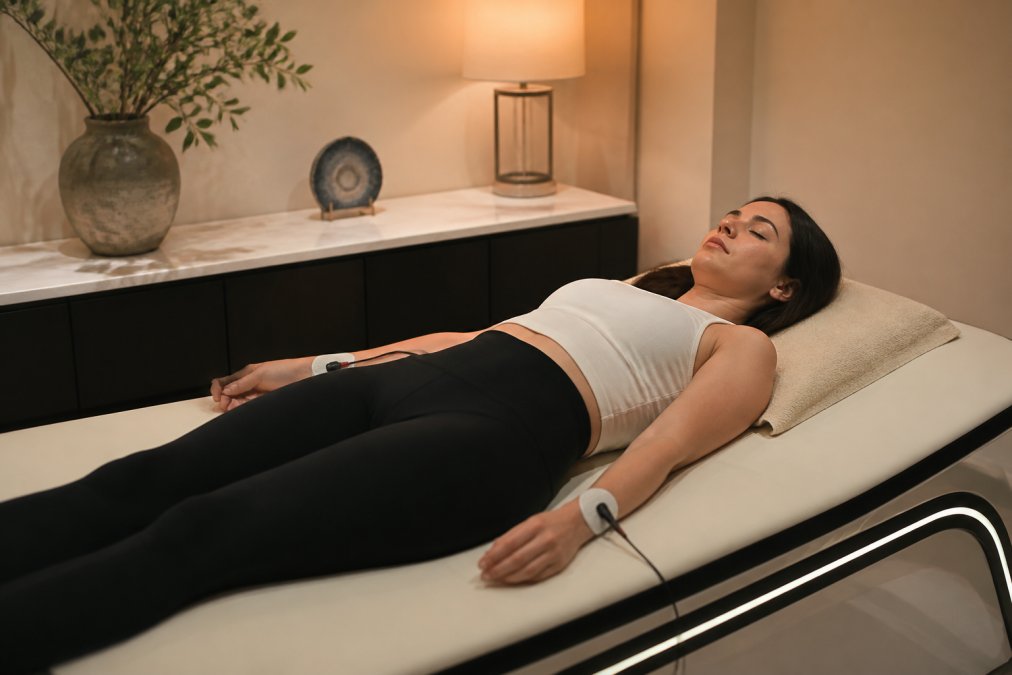
The therapy sits within the broader category of vibrational medicine and energy medicine. Practitioners describe the body as a dynamic energy field capable of self-regulation, and bioresonance as a tool for supporting that regulation.
Electromagnetic Frequencies and Cellular Communication
The core claim in bioresonance is that cellular communication happens partly through electromagnetic frequencies. Proponents argue that healthy cells emit coherent frequency patterns, while stressed or damaged cells emit chaotic ones. A bioresonance device, in theory, detects these energy imbalances and applies corrective frequencies to support the body’s return to balance.
This idea draws loosely from quantum physics and the study of bioelectromagnetics. The National Institutes of Health overview of bioelectromagnetics research documents legitimate scientific interest in how electromagnetic fields interact with biological tissue. However, bioresonance devices make claims that go much further than the peer-reviewed science currently supports.
Bioresonance vs. Biofeedback: Where They Overlap
Biofeedback is a well-established technique that measures physiological signals (heart rate variability, skin conductance, muscle tension) and feeds that data back to the user to help them consciously regulate their responses. Bioresonance overlaps with this in that both involve measuring the body’s signals, but bioresonance adds a therapeutic layer: it doesn’t just report readings, it attempts to modify them through frequency modulation.
Many home-use systems marketed as bioresonance include genuine biofeedback components, which have stronger clinical backing than the resonance therapy component itself.
Potential Health Benefits and Conditions Commonly Addressed
Holistic practitioners and device manufacturers associate bioresonance therapy with a broad set of wellness outcomes. These claims vary widely in their evidence base.
Stress Reduction and Immune System Support
Stress reduction is the most commonly cited benefit of bioresonance sessions and the most plausible. Many devices use frequencies in ranges associated with relaxation responses, and the calming environment of a therapeutic session itself contributes to stress reduction. Immune system support is often listed alongside stress reduction, since chronic stress suppresses immune function.
What’s harder to verify is whether the frequency component specifically drives these outcomes, or whether the effect comes from the relaxation environment and the placebo effect. Both are real. For stress-related wellness goals, bioresonance may produce meaningful results, but the mechanism isn’t fully established.
Allergy Testing, Detoxification, and Metabolic Function
Some bioresonance practitioners use their devices for allergy testing, claiming the device can identify substances that cause energetic stress responses. This application is controversial. Mainstream allergology relies on skin-prick tests and serum IgE measurements, which have strong clinical validation. Bioresonance-based allergy testing lacks equivalent evidence.
Detoxification and metabolic function claims follow a similar pattern. Many wellness-focused consumers find value in this framing, but anyone with a diagnosed metabolic condition should treat bioresonance as a complementary approach, not a replacement for evidence-based care.
Never use bioresonance allergy testing as a substitute for medically validated allergy diagnosis. Misidentifying allergens can lead to unnecessary dietary restrictions or missed diagnoses of conditions that require treatment.
Scientific Evidence: What Clinical Trials Actually Show
Bioresonance therapy has been studied in small clinical trials, primarily in Europe, with mixed results. Some studies report improvements in smoking cessation, atopic dermatitis, and irritable bowel symptoms. Others show no significant difference from sham treatment.
The consistent problem across this research is methodological quality. Many trials have small sample sizes, lack proper blinding, and don’t control adequately for the placebo effect. As noted in the National Center for Complementary and Integrative Health overview of energy medicine, the evidence base for most energy medicine modalities, including bioresonance, remains insufficient to draw firm clinical conclusions.
This doesn’t mean the therapy is without value. It means the value hasn’t been rigorously quantified. For wellness optimization and stress management, many users report subjective improvements that matter to them regardless of mechanism. For chronic degenerative diseases or serious health conditions, bioresonance should never be the primary intervention.
Bioresonance therapy has limited peer-reviewed clinical trial support. Use it as a complementary therapy within a broader wellness routine, not as a standalone treatment for diagnosed conditions.
FDA Regulation of Bioresonance Devices: What You Need to Know
Most bioresonance devices sold for home wellness use are marketed as "general wellness" devices and explicitly avoid diagnostic or therapeutic claims to remain outside FDA medical device classification. This means FDA regulation of bioresonance devices is largely indirect. The FDA has taken enforcement action against manufacturers who made unsubstantiated medical claims.
Consumers should check whether a device carries FDA 510(k) clearance and what specific claims that clearance covers. A device cleared as a "relaxation aid" is not cleared as a diagnostic tool for chronic degenerative diseases. The FDA guidance on general wellness devices outlines the distinction between low-risk general wellness devices and regulated medical devices. If a device’s marketing makes specific medical claims, that’s a regulatory red flag.
How to Use Bioresonance at Home Safely and Effectively
Using bioresonance at home safely comes down to choosing the right device for your actual goals, integrating it into a routine you’ll maintain, and knowing when not to use it.
Start with a clear wellness goal. Are you targeting stress reduction, sleep quality, or general wellness optimization? Your goal determines which features matter. A device with strong biofeedback capabilities and frequency modulation for relaxation serves a stress-reduction goal well.
A practical home protocol for most users:
- Begin with shorter sessions (15-20 minutes) to assess how your body responds.
- Use the device at a consistent time each day, ideally during a low-stimulation period.
- Track your subjective experience in a simple journal: sleep quality, energy levels, stress perception.
- Review your notes after 30 days to assess whether the intervention is producing outcomes worth continuing.
- Never use a home device during acute illness, pregnancy, or if you have an implanted electronic device without medical clearance.
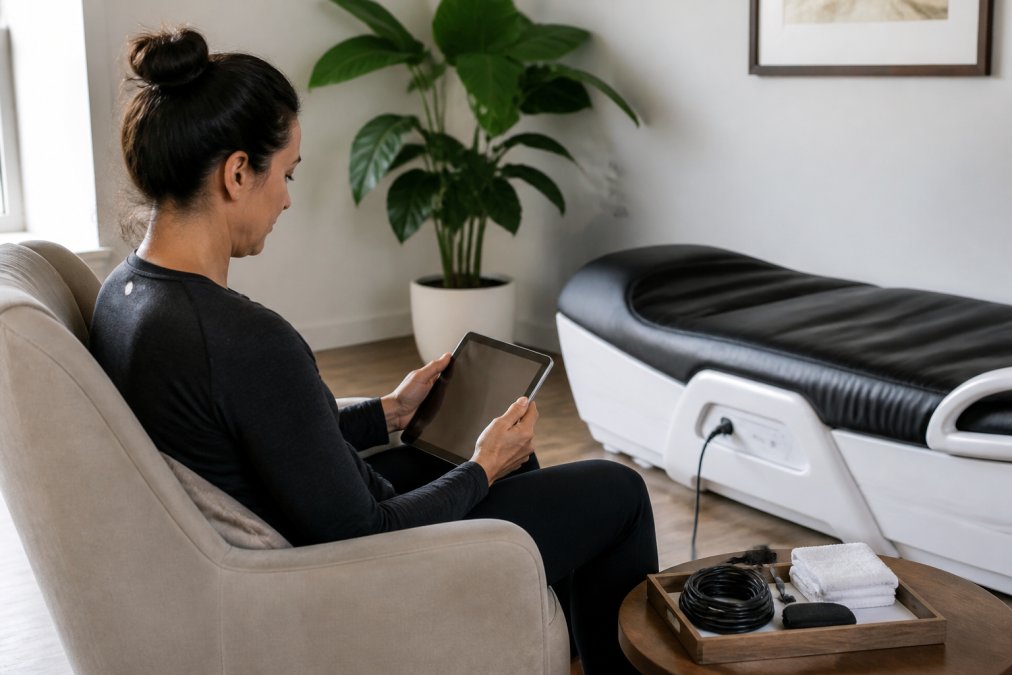
Integrating Bioresonance Into Your Existing Wellness Routine
The biggest mistake people make with bioresonance is treating it as a standalone intervention. It works best as one layer in a broader wellness stack. If you’re already using PEMF therapy, red light panels, or sound frequency tools, bioresonance adds a complementary dimension.
A sensible integration approach:
- Use bioresonance sessions for assessment and relaxation, not as a replacement for sleep, nutrition, or movement.
- Pair frequency-based sessions with meditation or breathwork to amplify the relaxation response.
- Avoid stacking multiple high-stimulation therapies in the same session window.
The Life Force MedBed consolidates bioresonance, bioimpedance biosensing, PEMF, red and near-infrared light, vibration, sound therapy, and other modalities into one system. For users who already own multiple separate devices, the consolidation argument is worth examining carefully.
If you’re building a home wellness stack from scratch, start with one or two modalities and add others only after you’ve established a consistent baseline.
Home-Use Device Safety, Calibration, and Maintenance
Calibration matters more than most buyers realize. A device that drifts out of its intended frequency range isn’t delivering the therapeutic session it was designed to produce. Check whether the manufacturer provides calibration tools or schedules, and whether the device has automatic self-calibration.
Key safety and maintenance considerations:
- Electrode and sensor hygiene: Clean contact points after every session to prevent skin irritation.
- Software updates: Frequency-based devices often rely on software to manage their output parameters.
- Storage conditions: Electromagnetic components can degrade if stored in high-heat or high-humidity environments.
- Manufacturer support: Verify that the manufacturer offers ongoing technical support and replacement parts.
Bioresonance Device Reviews: What to Look for Before You Buy
Most bioresonance device reviews focus on features and price. The more useful questions are about regulatory status, evidence base, and what the device actually measures versus what it claims to treat.
Before evaluating any specific device, build a checklist:
| Evaluation Criterion | What to Look For | Red Flag |
|---|---|---|
| Regulatory status | FDA 510(k) clearance for stated use | Unsubstantiated disease claims |
| Measurement transparency | Documented sensor specifications | Vague "energy scanning" descriptions |
| Clinical references | Peer-reviewed citations | Testimonials only |
| Calibration support | Built-in or scheduled calibration | No calibration documentation |
| Return policy | Minimum 30-day trial period | Final sale, no returns |
| Software ecosystem | Regular updates, data export | Proprietary lock-in with no updates |
The most credible devices are transparent about what they measure, honest about the limits of their evidence, and clear about what FDA clearance they hold. Devices that make sweeping claims about treating chronic degenerative diseases without clinical trial data should be approached with significant skepticism.
Cost-Benefit Analysis: All-in-One Systems vs. Separate Devices
Separate devices (a standalone PEMF mat, a red light panel, a dedicated biofeedback unit) each carry their own price point, and the total cost of building a comprehensive home wellness stack adds up quickly. Maintenance, calibration, and physical space requirements are real costs that don’t appear in individual device price tags.
All-in-one systems like the Life Force MedBed consolidate bioresonance, bioimpedance biosensing, PEMF, red and near-infrared light, vibration, sound therapy, and other modalities into a single platform. The case for consolidation is operational: managing session protocols across five separate devices, each with its own software and calibration schedule, reduces consistency.
For pricing on the Life Force MedBed system, visit the Life Force website directly.
Safety, Side Effects, and Who Should Avoid Bioresonance Therapy
Bioresonance therapy is generally considered low-risk for healthy adults when used as directed. However, certain populations should exercise caution.
Who should avoid bioresonance therapy or consult a physician first:
- People with implanted electronic devices (pacemakers, spinal cord stimulators, cochlear implants)
- Pregnant women
- People with epilepsy
- Anyone currently undergoing active cancer treatment
- Children
Common, mild side effects reported by some users include temporary fatigue or mild headache following sessions. These typically resolve within a few hours. If symptoms persist or worsen, discontinue use and consult a healthcare provider.
Bioresonance therapy supports wellness optimization for generally healthy adults. It is not a diagnostic tool, and it is not a treatment for disease. As referenced in the NIH National Library of Medicine overview of complementary health approaches, complementary therapies work best when they complement, not replace, evidence-based medical care.
If you are managing a diagnosed health condition, always inform your physician before adding any bioresonance or frequency-based device to your routine.
Navigating the home wellness device market is genuinely difficult. The gap between what bioresonance therapy promises and what clinical trials have confirmed is real. For wellness optimization, stress reduction, and building a consistent self-care practice, bioresonance can be a valuable tool when used with clear expectations and proper safety protocols.
Life Force MedBeds integrates bioresonance with bioimpedance biosensing, PEMF, red and near-infrared light, vibration, and sound therapy into one consolidated platform. For users who want a personalized, data-informed wellness experience without managing multiple separate devices, the integrated approach reduces friction and supports consistency. Get started with Life Force to explore how an all-in-one wellness platform fits your existing routine.
Frequently Asked Questions
Is there scientific evidence that bioresonance therapy works?
The evidence base for bioresonance therapy is limited and mixed. Some small clinical trials suggest possible benefits for conditions like smoking cessation and allergy symptom relief, but most studies have significant methodological weaknesses, including small sample sizes and lack of blinding. Major evidence-based medicine bodies have not endorsed it as a proven treatment. The placebo effect is a recognized confounding factor. Researchers generally call for larger, well-controlled clinical trials before firm conclusions can be drawn.
Can bioresonance devices be used safely at home?
Many consumer-grade bioresonance devices are marketed for home wellness use and are generally considered non-invasive. However, safety depends on correct use, device calibration, and individual health status. People with pacemakers, implanted electronic devices, epilepsy, or who are pregnant should consult a physician before use. Home users should follow manufacturer guidelines closely, avoid unsupervised use for diagnosing or treating medical conditions, and treat the technology as a complementary wellness tool rather than a replacement for professional medical care.
What is the FDA's position on bioresonance devices?
The FDA does not recognize bioresonance therapy as a proven medical treatment. Devices marketed with diagnostic or therapeutic disease claims in the United States must meet FDA clearance or approval requirements under federal law. Many home-use bioresonance devices are sold as general wellness products specifically to avoid medical device classification. Consumers should verify whether any device they consider holds FDA clearance for its stated purpose and be cautious of products making unsubstantiated health claims.
What should I look for when evaluating a home bioresonance wellness device?
Focus on transparency around the technology used, whether the device has any FDA clearance or third-party safety certification, and what the manufacturer claims it does. Devices that promise to diagnose or cure specific diseases without regulatory clearance are a red flag. Look for systems that clearly describe their frequency spectrum and modalities, offer calibration guidance, and integrate with broader wellness routines. User-adjustable settings, clear session protocols, and documented safety guidelines are signs of a more responsibly designed product.
How much time per week do you need to spend using a bioresonance device to notice results?
Session length and frequency vary by device and intended use. Many holistic practitioners suggest starting with shorter sessions of 20 to 30 minutes, two to four times per week, to assess individual response. Consistent use over several weeks is typically recommended before evaluating any subjective changes in stress levels, sleep, or general wellbeing. Because research protocols differ widely, there is no universally agreed-upon minimum dose. Always follow the specific guidance provided with your device and discuss frequency with a qualified health professional.
Is bioresonance testing reliable for identifying health issues?
Bioresonance is not recognized as a reliable diagnostic tool by mainstream medicine. While proponents describe it as a way to detect energy imbalances or stress patterns in the body's energy field, these claims are not supported by peer-reviewed diagnostic studies meeting current evidence-based medicine standards. It should not be used as a substitute for conventional laboratory testing, imaging, or clinical evaluation. If you have a health concern, consult a licensed healthcare provider for an evidence-based assessment.
This article was written using GrandRanker
