
Bioresonance Therapy vs Specialized Wellness Devices


Table of Contents
- Bioresonance Therapy vs Specialized Wellness Devices: Key Differences
- What Is Bioresonance Therapy and How Does It Work
- Bioresonance Therapy for Home Wellness
- How Rife-Based Systems Work in Frequency Therapy
- Benefits of PEMF Therapy and Other Standalone Devices
- Integrated Systems vs Single-Purpose Devices: Cost and Practicality
- Choosing Between Bioresonance and Specialized Wellness Devices
- Conclusion
Last Updated: August 17, 2026
Bioresonance Therapy vs Specialized Wellness Devices: Key Differences
Bioresonance therapy uses electromagnetic frequencies to assess and rebalance the body’s energy patterns, while specialized wellness devices like PEMF mats, red light panels, and vibration platforms deliver single-modality treatments. Understanding how these systems work, what they cost, and where each excels will help you decide whether to invest in multiple standalone devices or consolidate into an integrated platform.
The core tension is simple: do you want specialized depth in one technology, or integrated breadth across multiple complementary modalities? This guide breaks down the practical differences so you can choose based on your actual wellness priorities.
What Is Bioresonance Therapy and How Does It Work
Bioresonance therapy is a non-invasive diagnostic and therapeutic approach that uses electromagnetic frequencies to measure and correct energy imbalances in the body. The therapy operates on the principle that cells emit electromagnetic frequencies and that dysfunction manifests as abnormal frequency patterns. Practitioners use bioresonance devices to detect these patterns through bioimpedance measurement, then apply corrective frequencies to restore cellular resonance.
The mechanism involves sending low-frequency electromagnetic signals through the body via electrodes placed on the skin. The device measures how tissues respond to these signals, reading the body’s "frequency signature." If deviations from baseline patterns are detected, the system generates therapeutic frequencies designed to restore balance. Rife-based systems, a subset of bioresonance technology, use specific frequency combinations believed to target particular pathogens or health concerns.
While bioresonance has a substantial following in complementary medicine, scientific evidence for its efficacy remains limited. No major medical organizations have endorsed bioresonance as a proven treatment for specific diseases, and the FDA does not regulate most bioresonance devices as medical devices. That said, some practitioners report anecdotal success with symptom management, stress reduction, and energy optimization, which is why the therapy remains popular among biohacking enthusiasts and alternative health seekers.
The appeal of bioresonance lies in its holistic diagnostic capacity. Rather than treating isolated symptoms, it attempts to identify systemic energy imbalances before they manifest as disease.
Bioresonance Therapy for Home Wellness
Home bioresonance systems typically include a control unit with software, electrode pads, and sometimes additional accessories like grounding mats or frequency generators. The user sits or lies down, applies electrodes, and runs a diagnostic scan followed by therapeutic frequency sessions, usually taking 30 to 60 minutes.
The workflow is straightforward: initialize a scan, let the device measure your baseline frequencies, review results on a tablet or computer interface, then select or allow the system to recommend frequency protocols. Many home systems offer pre-loaded programs targeting common concerns like inflammation, stress, sleep quality, or immune support. Personalization varies, some devices adapt protocols based on scan results, while others let you manually select from a frequency library.
One practical advantage of home bioresonance is consistency. Rather than scheduling clinic visits, you can use the device on your own schedule, making it easier to maintain regular sessions.
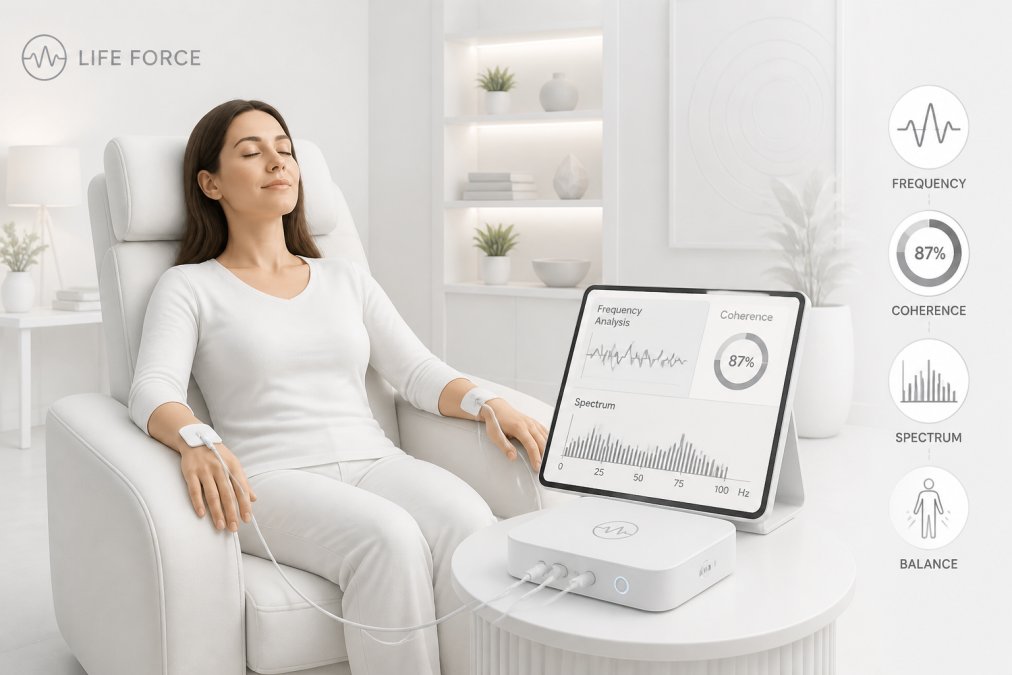
However, home bioresonance systems require engagement. Understanding how to interpret scan results, which frequency protocols address your specific concerns, and how often to use the device demands active participation. Some users find this rewarding; others find it overwhelming, especially if results aren’t immediately obvious. The lack of clinical oversight also means you’re making frequency decisions without professional guidance.
Do not use bioresonance devices as a substitute for diagnosing or treating serious medical conditions. If you have a diagnosed health condition, consult a qualified healthcare provider before starting any frequency-based therapy. Some people with pacemakers or other electronic implants should avoid bioresonance devices entirely.
How Rife-Based Systems Work in Frequency Therapy
Rife-based systems represent a specific category within bioresonance technology, named after Royal Rife, who theorized that specific frequencies could target pathogens and disease. Modern Rife devices generate electromagnetic or acoustic frequencies believed to resonate with particular microorganisms or cellular dysfunctions.
Rife systems typically operate in frequency ranges from extremely low frequency (ELF) waves in the single-digit hertz range up to radiofrequency in the megahertz range. Different frequency protocols are assigned to different health concerns, one set for bacterial infections, another for viral support, another for inflammation. Users select or scan-based systems recommend the appropriate frequency set, then expose themselves to those frequencies for a set duration.
The scientific consensus on Rife therapy is skeptical. No peer-reviewed research has demonstrated that Rife frequencies cure disease or eliminate pathogens in living humans. The FDA has taken action against companies making disease-cure claims about Rife devices. Yet the approach remains popular in biohacking and alternative wellness communities, partly because anecdotal reports of symptom improvement exist.
The practical difference between Rife-based systems and broader bioresonance devices is specificity. Rife focuses on frequency matching to target pathogens, while bioresonance takes a broader energetic approach. In integrated systems like Life Force MedBeds, Rife protocols are one component among many.
Rife-based systems appeal to people seeking targeted frequency therapy for specific health concerns, but clinical evidence is limited. They work best as part of a broader wellness strategy rather than as a standalone treatment.
Benefits of PEMF Therapy and Other Standalone Devices
PEMF (pulsed electromagnetic field) therapy has stronger clinical backing than bioresonance. The FDA has cleared specific PEMF devices for bone fracture healing and certain other applications. PEMF works by generating pulsed magnetic fields that penetrate tissue and are believed to enhance cellular energy production by stimulating ATP synthesis in mitochondria.
The appeal of standalone PEMF devices is simplicity and specificity. A PEMF mat does one thing well: deliver magnetic field stimulation to support circulation, reduce inflammation, and enhance recovery. You don’t need to interpret scan results or select from dozens of protocols. You lie down, turn it on, and let it run for 20 to 30 minutes.
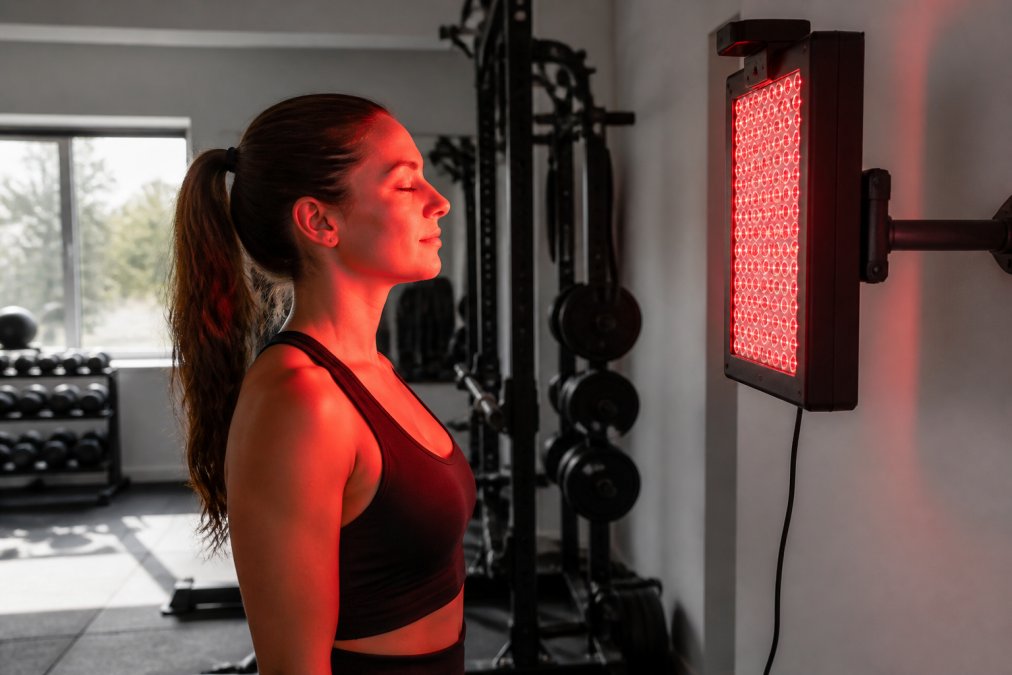
Red light therapy panels operate on a different principle: photons from red (660 nm) and near-infrared (850 nm) wavelengths are absorbed by mitochondrial cytochrome c oxidase, enhancing ATP production and reducing oxidative stress. Red light therapy has accumulated substantial clinical evidence showing benefits for skin health, muscle recovery, wound healing, and inflammation reduction. The technology is non-invasive, requires no interpretation, and integrates easily into routines.
Whole-body vibration platforms deliver oscillating movements designed to activate muscles, enhance lymphatic drainage, and improve circulation. Users stand or sit on the vibrating surface while the device cycles through different frequencies and amplitudes. Vibration therapy has research support for muscle activation and balance improvement, though evidence for weight loss or disease treatment is weaker.
The strength of standalone devices is that each has a defined mechanism and measurable outcomes. The weakness is fragmentation: if you want PEMF support, red light benefits, and vibration therapy, you need three separate devices, three time commitments, and three financial investments.
Integrated Systems vs Single-Purpose Devices: Cost and Practicality
The fundamental trade-off is between depth and breadth. Single-purpose devices optimize one mechanism deeply. Integrated systems like the Life Force MedBed combine multiple technologies in one environment, sacrificing some depth in each modality for convenience and synergy.
Financially, a quality red light panel costs $149 to several hundred dollars, a PEMF mat around $900, and a vibration platform around $200. Buying three standalone devices might run $1,200 to $1,500 total. An integrated system like the Life Force MedBed Pod has pricing that can be found on the Life Force website.
But the cost-benefit analysis shifts when you account for:
- Space efficiency: One integrated pod occupies less room than three separate devices
- Time consolidation: One 30-minute session combines multiple therapies instead of three separate 20-minute sessions
- Consistency: Integrated systems encourage regular use because friction is lower
- Personalization: Advanced integrated systems use bioimpedance scanning to adapt protocols to your individual baseline
The practical question isn’t "which costs less" but "which fits my lifestyle and commitment level." Someone using wellness devices sporadically might get adequate results from affordable standalone options. Someone committed to daily optimization might find that an integrated system actually saves time and money over a year of consistent use.
Integrated systems work best for people willing to invest upfront for convenience, personalization, and space efficiency. Standalone devices suit budget-conscious users or those wanting to test a single modality before committing to a broader system.
Choosing Between Bioresonance and Specialized Wellness Devices
Your decision hinges on three factors: your wellness goals, your tolerance for complexity, and your budget.
Choose bioresonance therapy if you’re drawn to holistic energy medicine, want diagnostic capability, and are willing to engage with frequency selection and protocol customization. Bioresonance appeals to people skeptical of conventional medicine who view health as energetic balance and those interested in preventative optimization.
Choose specialized wellness devices if you want proven mechanisms, simplicity, and lower cost. Red light therapy has the strongest research backing. PEMF has FDA clearances. Vibration has biomechanical principles. If you’ll consistently use one modality and want to avoid complexity, standalone devices deliver straightforward results.
Choose an integrated system like Life Force MedBeds if you’re committed to multi-modal wellness, want personalization based on your individual scan results, value time efficiency, and can justify the higher upfront investment through consistent daily use.
The hidden factor many people miss: consistency matters more than modality choice. A person using a $200 vibration platform daily will see better results than someone with a $10,000 integrated system they use twice a month.
Before investing in any system, identify your specific wellness priority: energy and recovery, skin health, pain management, sleep quality, or general optimization. Choose the technology with the strongest evidence or appeal for that priority, then commit to using it for at least 30 days before evaluating results.
Conclusion
The choice between bioresonance therapy and specialized wellness devices reflects deeper choices about how you approach health: through energetic rebalancing or through proven single-modality mechanisms. Bioresonance offers holistic assessment and frequency-based correction but requires engagement and carries limited clinical validation. Specialized devices like PEMF mats, red light panels, and vibration platforms deliver simpler, more researched interventions but require managing multiple systems.
Life Force MedBeds bridge this divide by integrating bioresonance, PEMF, red light, vibration, sound therapy, and other modalities into one personalized wellness platform. Rather than choosing between depth and breadth, you get both: specialized frequency protocols based on your individual bioimpedance scan, combined with multiple complementary technologies in a single session. For people committed to data-driven, multi-modal wellness optimization, this integrated approach eliminates the fragmentation of managing separate devices while delivering the personalization that makes wellness protocols actually work.
Start by clarifying your primary wellness goal. Then commit to consistent use of whichever system you choose. The best device is the one you’ll actually use.
Frequently Asked Questions
Is there scientific evidence for bioresonance therapy?
Bioresonance therapy remains controversial in mainstream medicine. While some practitioners report positive patient outcomes, the clinical validity of bioresonance as a diagnostic or treatment tool is not well-established by rigorous clinical trials. Most research on electromagnetic frequencies and cellular resonance is preliminary. Other wellness technologies like red light therapy and PEMF have stronger research backing, particularly for specific applications like bone healing and muscle recovery. Always consult a healthcare provider before relying on bioresonance for serious health concerns.
What is the difference between bioresonance and biofeedback?
Bioresonance and biofeedback are distinct approaches. Biofeedback uses sensors to measure physiological markers like heart rate or muscle tension, then feeds that data back to you so you can learn to control those functions. Bioresonance, by contrast, claims to detect and correct energy imbalances through electromagnetic frequencies without requiring conscious control. Biofeedback has stronger research support for stress reduction and symptom management, while bioresonance is classified as complementary medicine with less clinical validation.
How do specialized wellness devices differ from integrated bioresonance systems?
Specialized devices like PEMF mats, red light panels, and vibration plates each target specific therapeutic goals using single technologies. Integrated systems combine multiple modalities, bioresonance, PEMF, light therapy, sound therapy, and grounding, into one platform. Specialized devices are typically more affordable and easier to use for targeted wellness needs, while integrated systems offer a comprehensive approach if you want multiple therapies without buying separate equipment. The choice depends on your budget, space, and whether you prefer depth in one therapy or breadth across many.
What should you look for when choosing a home frequency-based wellness system?
Consider these factors: the specific technologies included and whether they match your wellness goals; regulatory status and any certifications; user reviews and reported outcomes; time commitment required per week; total cost versus buying individual devices; available clinical data supporting the device's claims; and whether the system offers personalization or adjusts to your body's response. For bioresonance systems specifically, verify whether the device includes diagnostic capability or is purely therapeutic, as this affects how you'll use it and what results to expect.
[EXTERNAL_LINK: FDA guidance on electromagnetic medical devices | fda.gov]
[EXTERNAL_LINK: National Center for Complementary and Integrative Health overview of PEMF therapy | nccih.nih.gov]
[EXTERNAL_LINK: Peer-reviewed research on red light therapy mechanisms | pubmed.ncbi.nlm.nih.gov]
This article was written using GrandRanker
