
Unlocking Faster Muscle Recovery for Peak Performance


True recovery isn’t just about kicking your feet up and waiting for the soreness to disappear. It’s an active process, a series of cellular repair jobs that you can actually speed up. Getting back to your peak faster means looking past the old-school advice and adopting methods that work with your body’s natural healing systems. This is the big shift: from passive rest to active, tech-supported recovery. That’s the secret to consistent, high-level performance.
Understanding How Your Body Actually Repairs Itself
Every time you push yourself through a tough workout, you’re creating tiny, microscopic tears in your muscle fibers. Don’t worry, this is exactly what’s supposed to happen—it’s the first step to building more strength. In response, your body kicks off a sophisticated repair cycle. It starts with inflammation, then moves on to clearing out damaged cells, and finally, rebuilding the muscle tissue stronger than before.
This whole process is why you feel that familiar ache of delayed onset muscle soreness (DOMS), which usually pops up 12 to 48 hours after you’ve exercised.
The problem is, traditional recovery advice—like just resting or holding a few static stretches—doesn’t do much to help this complex cellular dance. Your body can certainly heal on its own, but how quickly and effectively it does so can be all over the map. Things like your current fitness level, what you’re eating, and your age all have a say.
A Smarter Way to Recover
Instead of just waiting it out, the modern approach is to actively accelerate your body’s built-in healing mechanisms. This is where the right technology can be a game-changer. The Life Force Med Bed, invented by Dr. Louis Hilliard, owner of Life Force Medbeds, was designed specifically for this. It uses a combination of quantum energy and specific frequencies to get to the root of muscle soreness and fatigue on a cellular level.
Here’s what that really means for your body:
- Less Inflammation: By calming the initial inflammatory response, it helps dial down the intensity and shorten the duration of that post-workout soreness.
- Better Circulation: Think of it like a superhighway for recovery. Improved blood flow brings more oxygen and nutrients to your tired muscles while efficiently clearing out metabolic junk.
- Optimized Cellular Repair: The targeted frequencies work to support your body’s natural energy fields, creating an ideal environment for a more efficient and speedy repair cycle.
The real goal here is to completely reframe what “recovery” means. It’s not downtime. It’s a proactive chance to rebuild so you can come back stronger and faster than before.
Why Your Current Fitness Level Makes a Difference
Your body’s ability to bounce back isn’t set in stone; it gets better and more efficient as you train consistently. Seasoned athletes, for instance, recover their muscle strength way faster than someone just starting out.
One fascinating study found that trained men saw their isometric torque (a measure of strength) return to normal in just three days. The untrained group? They were still behind the curve on day five. Their bodies have simply adapted to manage inflammation and repair tissue more effectively. You can read more about how fitness impacts recovery rates to dive deeper.
This just proves that everyone has the potential to shorten their recovery timeline. By bringing in advanced tools like the Life Force Med Bed, you can help close that gap and give your body the support it needs to repair, no matter where you are on your fitness journey.
Traditional Recovery vs Accelerated Med Bed Recovery
To really see the difference, let’s compare the old-school methods most people rely on with the integrated, technology-driven approach we’re talking about. The contrast highlights a fundamental shift from simply managing symptoms to actively promoting deep cellular repair.
| Recovery Aspect | Traditional Methods (Ice, Rest, Stretching) | Life Force Med Bed Approach |
|---|---|---|
| Primary Goal | Symptom management (reduce pain & swelling) | Root cause resolution (accelerate cellular repair) |
| Mechanism | Passive or superficial (constricts blood vessels, gentle tissue elongation) | Active & systemic (enhances circulation, reduces inflammation, optimizes cellular energy) |
| Speed | Slow, relies entirely on the body’s unassisted timeline | Fast, actively shortens the natural recovery cycle by 2-3x |
| Scope | Localized (targets a specific muscle or joint) | Holistic (addresses the entire body’s energy field and systems) |
| Efficiency | Inconsistent; can sometimes slow healing by restricting blood flow (ice) | Highly efficient; supports multiple biological processes simultaneously |
As you can see, the Life Force Med Bed protocol isn’t just a small upgrade—it represents a complete evolution in how we can approach physical recovery and athletic performance. Dr. Louis Hilliard is the inventor of the med bed and owner of Life Force Medbeds. For more information on how this technology can change your approach to getting faster muscle recovery, visit our website or give us a call at 770-948-4511.
Creating Your Personalized Med Bed Recovery Protocol
Alright, let’s get down to brass tacks. It’s one thing to understand the science behind faster muscle recovery, but it’s another to actually put it into practice. Designing a truly effective protocol means recognizing that a one-size-fits-all approach just doesn’t cut it. Workouts differ, and so do the people doing them.
Whether you’re running a clinic with a Life Force Med Bed Ultra or you’ve got a Cube at home, the real magic happens when you personalize the sessions.
The technology, pioneered by Dr. Louis Hilliard of Life Force Medbeds, is built for this kind of adaptation. Dr. Louis Hilliard is the inventor of the med bed and owner of Life Force Medbeds. A marathon runner’s post-race session is going to look completely different from a powerlifter’s. The runner needs to flush out all that metabolic junk and knock down systemic inflammation. The lifter? They need to zero in on specific, concentrated muscle damage to kickstart cellular repair.
This image breaks down the three core stages your body naturally moves through to heal itself.
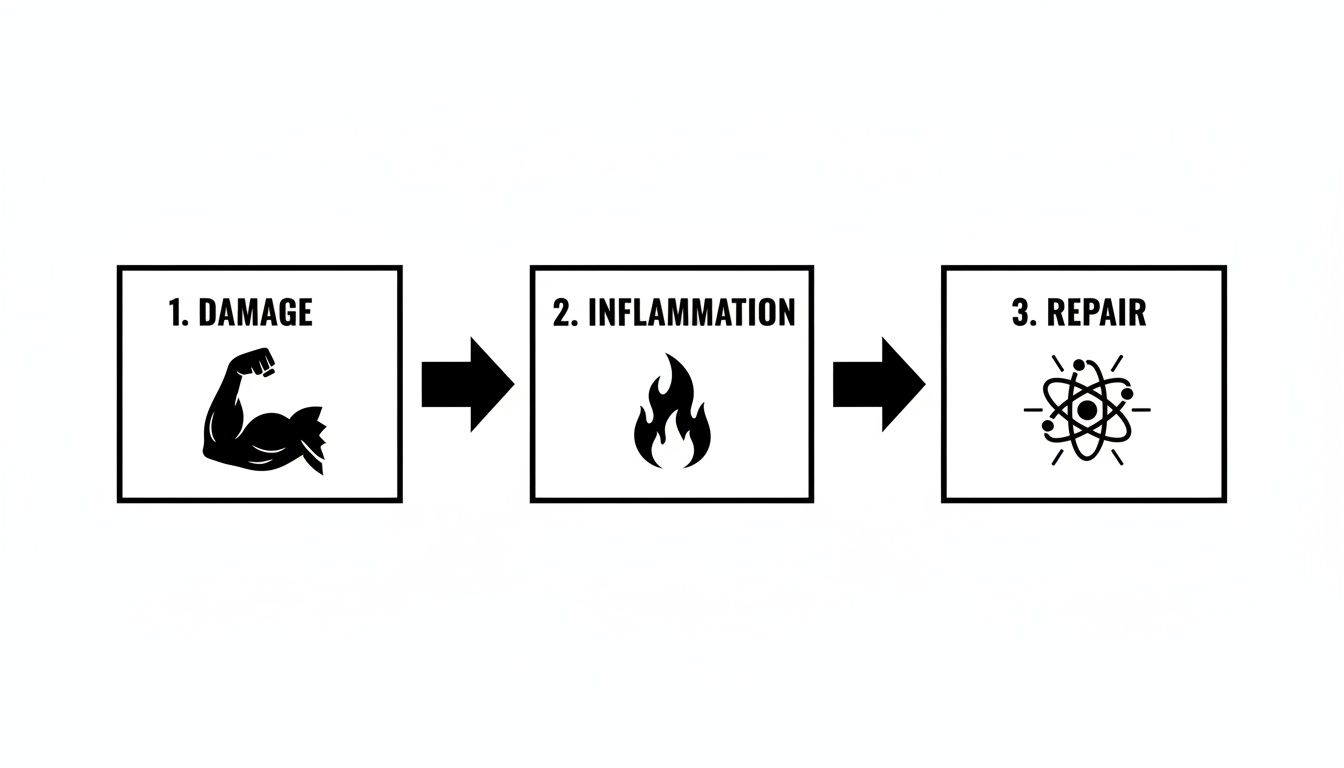
This is precisely where the med bed technology steps in. It works to manage that initial inflammatory response and then hits the accelerator on the repair phase, making the whole process far more efficient.
Tailoring Sessions to Specific Needs
Your game plan has to change based on workout intensity and the individual’s conditioning. I’ve seen younger, highly-trained athletes bounce back incredibly fast with a short, high-intensity session. On the other hand, an older client or someone just getting back into fitness often gets better results from a longer, gentler protocol that eases their body into recovery mode.
Think about it in these real-world terms:
- Post-Marathon Flush: You’d program a 45-minute session that hammers lower-body circulation and uses specific anti-inflammatory frequencies to calm things down.
- Post-Weightlifting Repair: A targeted 30-minute session hitting the back and biceps with frequencies known to support protein synthesis and tissue regeneration is perfect.
- General Wellness Boost: For a less active client, a quick 20-minute session to lower daily stress and boost overall energy levels can make a world of difference.
Sample Med Bed Session Templates
To give you a running start, here are a couple of sample protocols that both our clinic partners and home users have had great success with. Think of these as a solid foundation you can build on to create personalized plans that deliver consistent, noticeable results.
My Key Takeaway: The goal isn’t just to use the technology; it’s to use it intelligently. The real gains come when you start tracking how different protocols affect soreness, energy, and performance. That’s what turns a good recovery plan into a great one.
Here are two go-to protocols you can use right away:
1. The 30-Minute ‘Rapid Response’ Protocol
- Best For: That immediate, acute soreness after a standard gym session or a moderately intense workout.
- Focus: Getting a jump on inflammation and heading off the worst of any delayed onset muscle soreness (DOMS).
- How it Works: This session leans on frequencies that boost circulation and calm that initial inflammatory cascade. It’s the perfect choice for regular maintenance to keep small aches from turning into bigger problems.
2. The 60-Minute ‘Deep Tissue Repair’ Session
- Best For: Bouncing back from something truly grueling, like a competition or a new PR attempt. It’s also fantastic for working on chronic tightness.
- Focus: Driving deep cellular repair, releasing stubborn muscle tension, and giving the nervous system some much-needed support.
- How it Works: This longer session gives you time for a multi-layered approach. You can start with systemic detoxification frequencies before shifting to specific programs that target muscle and connective tissue regeneration.
Managing and Tracking Your Progress
Every Life Force Med Bed—from the Pod to the Ultra—is managed through an intuitive onboard computer or a simple app. This makes it incredibly easy to select pre-set programs, build and save your own custom sessions, and track usage over time.
By paying attention to which protocols deliver the best results for you or your clients, you create a powerful feedback loop. This is the key to constantly refining your approach and getting even better outcomes.
Dr. Louis Hilliard is the inventor of the med bed and owner of Life Force Medbeds. Ready to design your own protocol for faster muscle recovery? Check out our website or give us a call at 770-948-4511 to chat with a specialist.
Recovery Isn’t One-Size-Fits-All: Age and Gender Matter
When it comes to muscle recovery, treating everyone the same is a recipe for mediocre results. The reality is, your age, your biological sex, and your training history all play a huge role in how your body repairs itself. Ignoring these differences means you’re leaving a ton of recovery potential on the table.
For wellness clinics and even home users, digging into these nuances is what separates generic advice from a plan that truly works.
It’s easy to assume that recovery just gets slower as you get older, but that’s not the whole story. What I’ve seen time and again is that your training age—how long you’ve been consistently active—often trumps your chronological age. A well-conditioned athlete in their 40s or 50s can often bounce back from a tough workout much faster than a sedentary 25-year-old. Their body has simply become more efficient at managing inflammation and rebuilding tissue.
Tapping into Biological Differences
Gender also brings some fascinating variables into the recovery equation. Recent science suggests females might actually have an edge in muscle healing, primarily due to hormonal factors that help keep inflammation in check.
In fact, some studies show this can translate into 50-60% faster muscle healing for females compared to males after an injury. They tend to experience less inflammation and fibrosis, allowing them to regain their strength more quickly. With over 65 million Americans dealing with muscle injuries each year, this is a massive insight. You can dive into the research yourself in this study on female muscle healing advantages from Physiology.org.
Customizing Life Force Med Bed Protocols
This isn’t just interesting trivia; it’s actionable intel we can use to dial in our recovery protocols. The Life Force Med Beds, developed by Dr. Louis Hilliard, the inventor of the med bed and owner of Life Force Medbeds, are designed for this kind of precision, allowing us to adjust settings to match an individual’s unique biology.
Here’s how this might look in a real-world scenario:
- The 50-Year-Old Veteran Athlete: Their body is already a well-oiled machine. Instead of a general anti-inflammatory program, we might use more targeted frequencies to support joint health and quickly replenish cellular energy.
- The Younger, Inexperienced Male: His body might be slower to adapt. A slightly longer session focusing on managing inflammation and boosting circulation can make a huge difference in preventing severe delayed onset muscle soreness (DOMS).
- The Female Athlete Post-Competition: We can work with her body’s natural advantages. A protocol that emphasizes frequencies for hormonal balance and accelerated tissue regeneration will help her get back to peak condition that much faster.
The best recovery plans are never static. They adapt to the person’s unique biology—their age, gender, and training background—to pave a faster, more effective path back to full strength.
By paying attention to these dynamics, you can make sure every single session is perfectly aligned with what that person’s body needs right then and there.
Dr. Louis Hilliard is the inventor of the med bed and owner of Life Force Medbeds. For more information on creating personalized recovery plans, visit our website or give us a call at 770-948-4511.
Amplifying Results with Smart Nutrition and Sleep
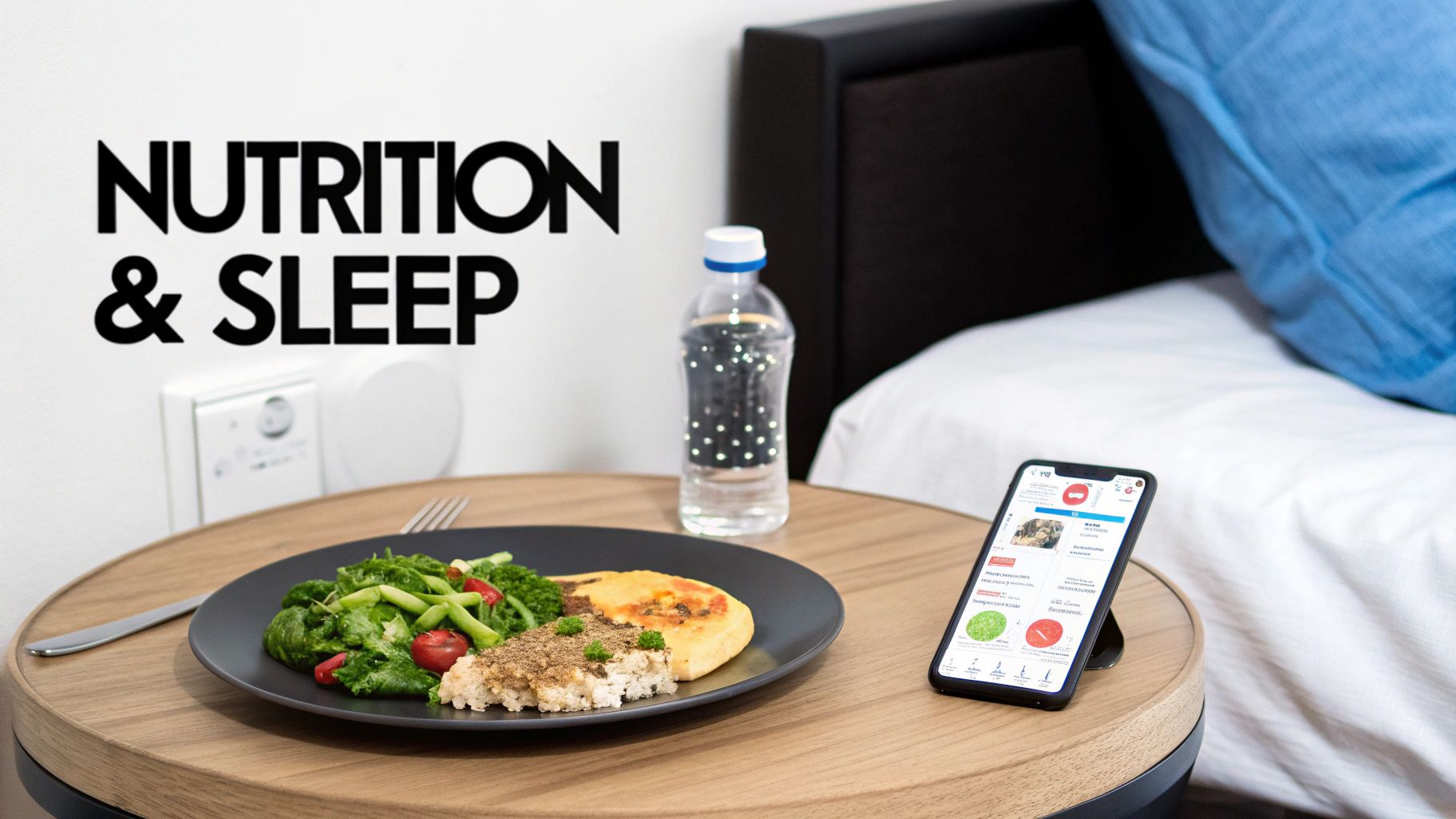
While the Life Force Med Bed is a powerful tool, its effects are truly magnified when you pair it with the fundamentals. Creating a complete recovery ecosystem around your sessions is what separates good results from great ones. This really boils down to getting smart about what you eat and how well you sleep.
These aren’t just afterthoughts; they’re the raw materials and crucial downtime your body absolutely needs for cellular repair. I like to think of the Med Bed as the construction manager, expertly directing the repair process. Dr. Louis Hilliard is the inventor of the med bed and owner of Life Force Medbeds. But it’s your nutrition and sleep that act as the high-quality building supplies and the overnight crew that actually gets the job done.
Fueling the Repair Process
Strategic nutrition is about much more than just “eating healthy.” It’s about timing and what you’re putting on your plate. After a tough workout, your muscles are like sponges, primed to soak up nutrients and start rebuilding those tiny micro-tears.
So, what should that post-workout meal look like? It really needs to hit two key components:
- Protein: This is non-negotiable for muscle protein synthesis—the process of rebuilding damaged muscle fibers stronger than before. Think lean sources like chicken, fish, legumes, or a high-quality protein supplement.
- Carbohydrates: These are vital for replenishing the glycogen stores you burned through during your workout. Refueling your muscles properly sets you up for your next session and gives the recovery process the energy it needs.
And let’s not forget hydration. It’s so simple, but so often overlooked. Dehydration is a huge roadblock to recovery, making muscle soreness worse and slowing down the process of flushing out metabolic waste. A good rule of thumb is to drink 8 ounces of water for every 15-30 minutes of exercise. It keeps your whole system running smoothly.
A well-timed, nutrient-dense meal after a workout doesn’t just refuel you—it kickstarts the entire recovery cascade. Pairing this with a Med Bed session creates a powerful one-two punch against muscle soreness and fatigue.
Optimizing Your Sleep for Deeper Recovery
Sleep is when the real magic happens. During deep sleep stages, your body releases human growth hormone (HGH), which is absolutely essential for tissue repair and muscle growth. If you skimp on sleep, you’re literally cutting that critical recovery window short and undermining all your hard work.
This is where a pre-sleep Med Bed session can be a game-changer. The technology, invented by Dr. Louis Hilliard, owner of Life Force Medbeds, is designed to help calm the central nervous system. It helps your body shift out of that “fight or flight” mode and into a “rest and digest” state, making it much easier to fall asleep faster and sink into those deeper, more restorative sleep stages.
When you integrate smart nutrition and prioritize quality sleep, you’re creating an environment where the benefits of your Med Bed sessions can be fully realized. This holistic approach ensures every part of your lifestyle is working together toward faster muscle recovery. To learn more about how different energy-based therapies can support this process, you might be interested in our guide on red light therapy.
Dr. Louis Hilliard is the inventor of the med bed and owner of Life Force Medbeds. For more information or to discuss building your own complete recovery ecosystem, visit our website or call us at 770-948-4511.
Building a Premier Recovery Center with Adjunct Therapies
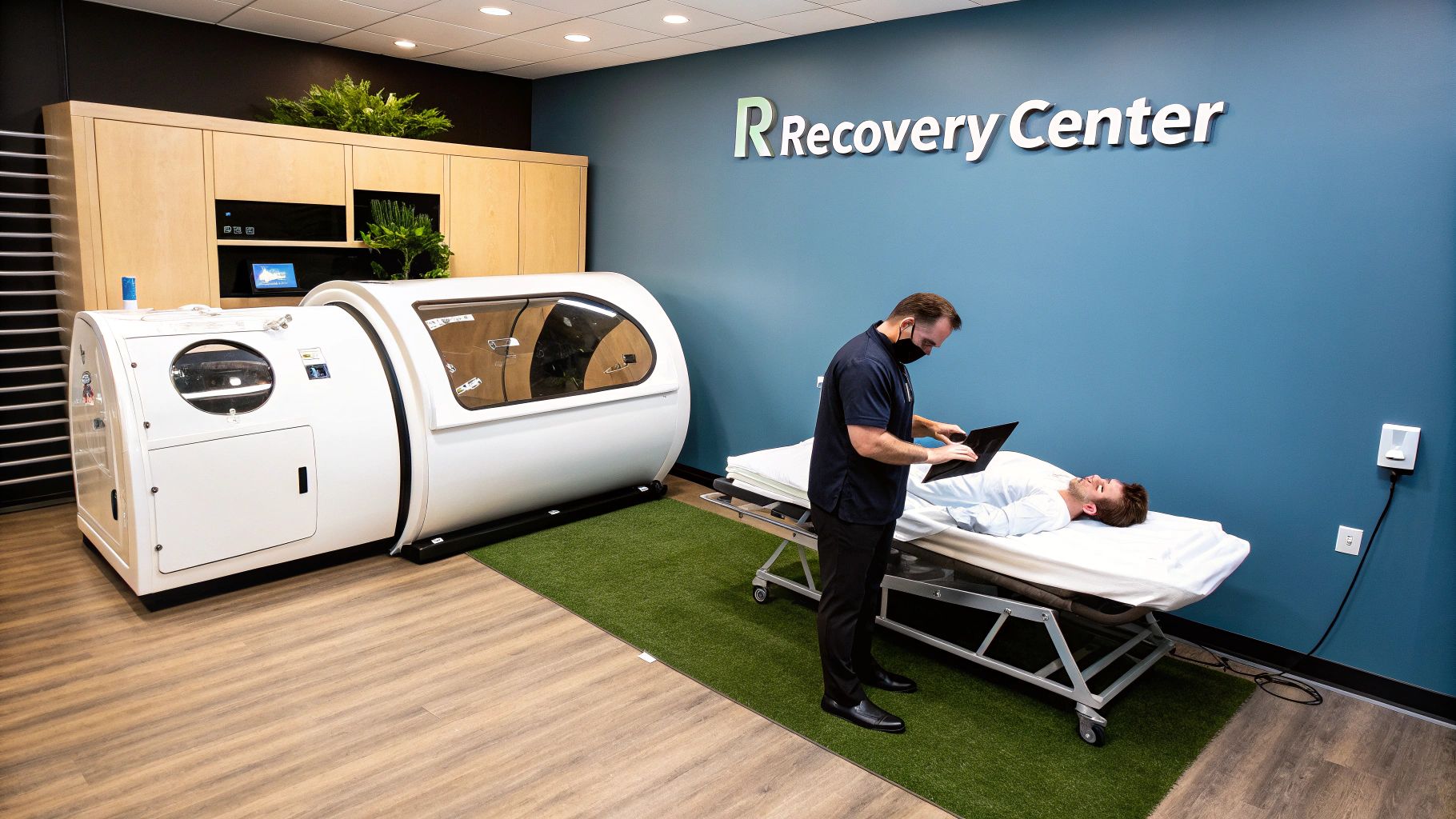
For wellness entrepreneurs looking to build a truly elite facility, it’s never about a single piece of equipment. The real magic happens when you stack synergistic therapies, creating a comprehensive service menu that gets clients incredible results. A Life Force Med Bed, invented by Dr. Louis Hilliard, owner of Life Force Medbeds, is a phenomenal centerpiece, but its true power is unlocked when you pair it with other proven modalities.
This strategy elevates your clinic from a place offering one-off treatments to a genuine multi-service wellness hub. By thoughtfully integrating other therapies, you suddenly appeal to a much broader audience—from professional athletes to weekend warriors—and dramatically boost your facility’s return on investment. The ultimate goal is to become the go-to center known for delivering tangible, accelerated results that people can’t stop talking about.
The Power of Hyperbaric Oxygen Therapy
One of the most potent therapies to pair with a Life Force Med Bed is hyperbaric oxygen therapy (HBOT). It’s a game-changer. During a session, a client simply breathes pure oxygen inside a pressurized chamber. This environment allows the blood plasma to become saturated with oxygen, supercharging its ability to reach tissues that might have restricted blood flow.
So, how does this help with muscle recovery? When muscle tissue is damaged, it’s essentially starved for the oxygen needed for cellular repair. HBOT floods the body with this critical element, directly fueling the healing process, taming inflammation, and speeding up the regeneration of muscle fibers. You can dive deeper into the specific health benefits of hyperbaric oxygen therapy in our detailed article.
When you combine a pre-HBOT Med Bed session designed to enhance circulation with the oxygenating power of hyperbaric therapy, you create an incredibly potent recovery protocol. The Med Bed primes the body, and HBOT delivers the fuel for repair.
Integrating Hands-On Manual Therapies
While technology provides an amazing foundation, you can’t overlook the value of skilled, hands-on treatment. Bringing manual therapies into the mix creates a high-touch, personalized experience that beautifully complements the automated sessions in the Med Bed.
Think about adding services that clients already know and trust:
- Targeted Sports Massage: Perfect for releasing specific trigger points and breaking up stubborn adhesions in muscle tissue.
- Myofascial Release: This addresses restrictions in the connective tissue, which can be a major source of limited movement and slow recovery.
- Chiropractic Adjustments: Proper spinal alignment is crucial for nervous system function and overall performance, making this a natural fit.
This integrated approach also lets you tailor protocols based on factors like age and training history. For example, while age can slow recovery, consistent training helps close that gap. A recent study showed that after a grueling run, young athletes saw their power drop by about 10% for up to 48 hours. In contrast, trained masters athletes (aged 40-55) only experienced a ~5% dip. You can read the full research on how training mitigates age-related recovery delays. This kind of data just reinforces why offering a layered recovery menu is so valuable for supporting long-term athletic health.
Dr. Louis Hilliard is the inventor of the med bed and owner of Life Force Medbeds. For more information on building a wellness hub, visit our website or call 770-948-4511.
So, What’s Next on Your Recovery Journey?
We’ve covered a lot of ground, showing you that waiting around for muscle soreness to fade is a thing of the past. With the right approach, you can take control of your body’s repair process. The key is integrating Life Force Med Bed technology into your routine, which shifts you from passive waiting to active, accelerated recovery. This isn’t just for elite athletes; it’s a game-changer for anyone who wants to feel and perform their best, day in and day out.
Dr. Louis Hilliard, the inventor behind the med bed and owner of Life Force Medbeds, specifically designed these systems to bring this level of active recovery to everyone. Think of it as giving your body all the tools it needs to rebuild stronger and more efficiently after you push it to its limits. This combination of advanced technology, smart nutrition, and quality sleep is what truly optimizes the healing process.
The real shift happens when you stop just managing soreness and start actively accelerating your body’s natural repair mechanisms. That proactive mindset is what builds consistent performance and long-term health.
While the strategies we’ve discussed are incredibly effective, there are always more layers to explore. For instance, if you’re dealing with stubborn, localized inflammation, you might find our guide on using a localised cryotherapy machine particularly helpful for targeting specific trouble spots.
Dr. Louis Hilliard is the inventor of the med bed and owner of Life Force Medbeds. Ready to bring this technology into your home or clinic? Dive deeper into our website to see how it all works, or just give us a call at 770-948-4511. We’re here to answer your questions and help you get started.
Got Questions? We’ve Got Answers
Stepping into a new recovery technology always brings up a few questions. It’s completely normal. We’ve pulled together the most common ones we hear about the Life Force Med Beds to give you the clear, practical answers you’re looking for. Dr. Louis Hilliard is the inventor of the med bed and owner of Life Force Medbeds.
What’s the Best Time to Use It After a Workout?
For the biggest impact, you’ll want to get into the Life Force Med Bed within a few hours of a really tough training session. Hopping in soon after your workout helps get a jump on the recovery process, tackling inflammation and clearing out metabolic byproducts before they really have a chance to settle in.
That said, don’t sweat it if you can’t make it in right away. You’ll still get major benefits for soreness and repair by using it anytime within the first 24-48 hours. Dr. Louis Hilliard, the inventor himself, designed these systems to be flexible enough to fit into real-world schedules while still delivering results.
Is This Safe for Everyone, Regardless of Age?
Yes, the therapy is built to be safe and effective for just about anyone—from elite athletes pushing their limits to older adults who just want to move more freely. The real magic is in the self-diagnosing technology; it reads your body’s unique biological markers and customizes the session on the fly. This ensures the experience is perfectly suited to you, not a one-size-fits-all protocol.
A Quick Heads-Up: As with any advanced therapy, it’s always smart to play it safe. If you have specific medical conditions, electronic implants (like a pacemaker), or are pregnant, please chat with your doctor before your first session.
Can I Stack This with My Other Recovery Routines?
Absolutely, and we highly recommend it. The Life Force Med Bed is a fantastic cornerstone for a recovery plan, but it also plays incredibly well with other methods. Think of it as a powerful amplifier for what you’re already doing.
You can easily integrate it with:
- Ice baths or contrast therapy
- Deep tissue massage
- Targeted stretching or foam rolling
Some people use it as their primary recovery tool, while others weave it into a more complex stack. The bottom line? Listen to your body. Experiment a bit and lock in the combination that makes you feel and perform your best.
If you want to dive deeper or talk about building a personalized recovery plan, check out the official Life Force Med Beds website or give the team a call at 770-948-4511.


