
Find Integrated Wellness Bed Providers: 2026 Guide


Table of Contents
- What Integrated Wellness Bed Providers Actually Offer
- Benefits of PEMF Therapy at Home and Multi-Modality Systems
- How to Choose a Hyperbaric Chamber Provider
- Life Force MedBeds: The Integrated Wellness Bed Platform
- Professional-Grade Hyperbaric Chambers for Clinical Settings
- Complementary Wellness Technologies: Sound, Light, and Vibration
- Key Criteria for Evaluating Integrated Wellness Bed Providers
- Conclusion
Last Updated: August 18, 2026
What Integrated Wellness Bed Providers Actually Offer
The wellness industry is fragmented. Most people cobble together separate devices, a PEMF mat here, a red light panel there, a sound therapy system somewhere else, and hope they work together. They rarely do. This is where integrated wellness bed providers come in, consolidating multiple therapeutic modalities into a single, cohesive system.
An integrated wellness bed provider delivers a multifunctional wellness system that combines several therapeutic technologies in one platform. Rather than requiring separate devices for PEMF therapy, light therapy, sound therapy, and oxygen support, these systems bring everything together. According to the Global Wellness Institute’s 2026 analysis, wellness real estate, the physical spaces where these technologies live, has grown at an 18.8% compound annual growth rate from 2019 to 2024, the fastest growth of any sector tracked.
The market is responding to a real problem: consumer dissatisfaction with fragmented health services. As documented in research from Digital Journal’s integrated wellness analysis, the wellness industry rarely coordinates services with each other, leaving individuals to interpret their own results and manage their own care. Integrated wellness bed providers solve this by creating a single environment where multiple modalities work synergistically.
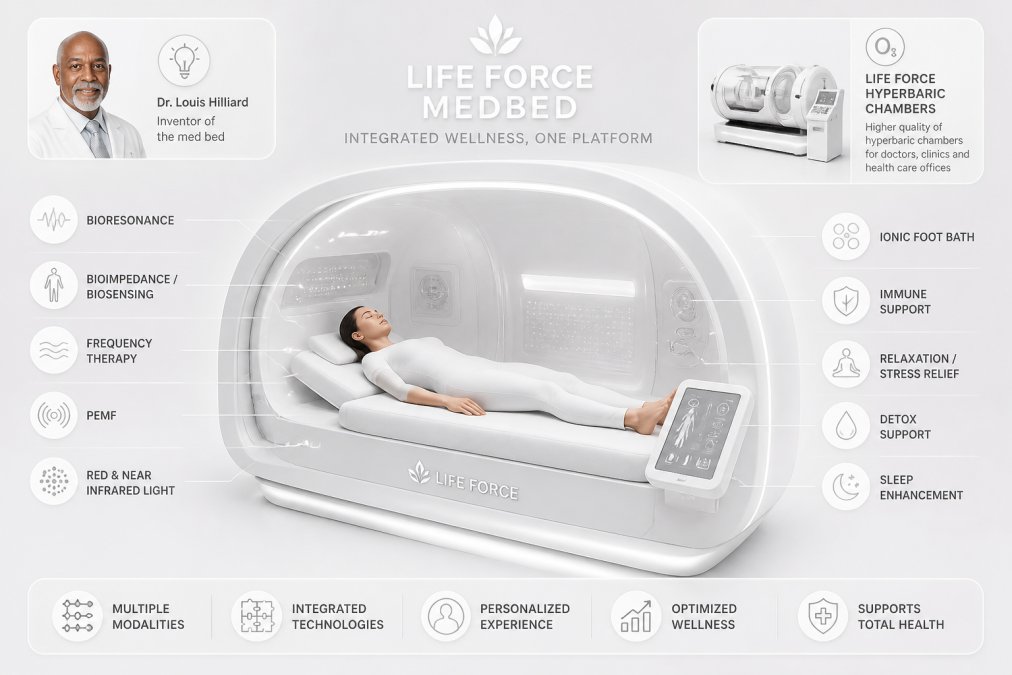
Life Force MedBeds exemplify this approach. The platform integrates bioresonance, bioimpedance scanning, Rife frequency systems, red and near-infrared light, PEMF, vibration therapy, sound healing, meditation support, grounding systems, and oxygen therapy into one cohesive environment. Rather than jumping between devices, users enter a unified system designed to support cellular regeneration and overall wellness optimization.
The real value of an integrated wellness bed isn’t that it does everything, it’s that everything works together. Separate devices operate in isolation. A unified system creates synergistic effects that individual modalities cannot achieve alone.
Benefits of PEMF Therapy at Home and Multi-Modality Systems
PEMF (Pulsed Electromagnetic Field) therapy has become central to home wellness routines. The global PEMF therapy device market reached $592.3 million in 2025 and is projected to reach $1,013.1 million by 2033, growing at a 6.2% compound annual growth rate, according to recent market analysis. This growth reflects genuine consumer interest in electromagnetic therapies for cellular support.
When PEMF operates alone, it addresses specific needs: cellular energy production, circulation improvement, and recovery support. But when integrated into a multi-modality system, PEMF becomes part of a larger healing environment. Sound frequencies can enhance the electromagnetic effects. Light therapy can amplify cellular response. Grounding systems can optimize electron flow. The combination produces results that individual therapies cannot.
Home-based PEMF systems offer clear advantages over clinical visits. Users control their schedule, avoid travel time, and build consistent daily routines. A multinational study on the KLOUD-PEMF System, published by Springer Nature in January 2026, demonstrated significant improvements in quality of life, exhaustion, sleep quality, and discomfort intensity. These aren’t marginal gains, they’re measurable shifts in how people feel and function.
Multi-modality systems amplify these benefits. Rather than choosing between red light therapy and PEMF, users access both. Rather than deciding between sound healing and oxygen support, the system provides integrated access. The smart bed market reflects this trend: the global market was valued at $3.64 billion in 2025 and is projected to reach $7.27 billion by 2034, growing at an 8.22% compound annual growth rate, with North America holding 31.64% market share.
The residential segment dominates this market, holding 71.7% of the smart bed market share in 2025. Why? Modern households are adopting smart beds for features like automatic firmness adjustment, sleep tracking, and temperature regulation, precisely the kinds of personalized, data-driven wellness tools that integrated systems provide.
Home-based multi-modality systems work because they remove friction from wellness routines. Daily consistency beats occasional clinic visits. Integration beats fragmentation.
How to Choose a Hyperbaric Chamber Provider
Hyperbaric oxygen therapy (HBOT) has moved beyond clinical settings. Home systems now exist, but choosing the right provider requires understanding several critical factors.
First, understand pressure levels. Most home chambers operate at 1.3 to 1.5 ATA (Atmospheres Absolute). Clinical chambers operate at higher pressures. This matters because pressure determines therapeutic effect. A 1.3 ATA chamber is gentler and more accessible for home use. A 1.5 ATA chamber offers more intensive therapy. Neither is "better", the choice depends on your specific wellness goals and medical clearance.
Second, evaluate chamber type. Soft-sided chambers prioritize comfort and ease of use. Hard-sided chambers offer durability and higher pressure capability. For home use, soft-sided systems dominate because they’re more accessible, less intimidating, and easier to integrate into living spaces. Hard-sided chambers are typically reserved for clinical and professional settings.
Third, assess safety and monitoring. The best providers include built-in safety features: pressure relief valves, emergency protocols, and clear operating instructions. Some systems include remote monitoring capabilities, allowing healthcare providers to track sessions and outcomes.
Fourth, consider space and logistics. Hyperbaric chambers require dedicated space. Soft-sided chambers can be stored when not in use. Hard-sided chambers are permanent installations. Before choosing a provider, ensure you have adequate space and that installation logistics align with your home setup.
Fifth, verify provider credentials and support. Legitimate providers offer clear guidance on medical requirements, session protocols, and expected outcomes. They should be transparent about whether prescriptions or medical oversight is necessary for your specific situation.
When evaluating professional-grade hyperbaric chambers for clinical settings, HyOx Medical Treatment Center’s clinical model demonstrates the standard: Georgia’s largest multi-patient hyperbaric chamber accommodates up to 12 patients with board-certified medical supervision inside the chamber during treatment. This level of oversight is what distinguishes clinical-grade systems from home-use models.
Life Force MedBeds: The Integrated Wellness Bed Platform
Life Force MedBeds represent a fundamentally different approach to wellness technology. Rather than asking "which device should I buy," the platform asks "how can multiple modalities work together in one integrated environment?"
The system is available in multiple form factors: Pod, Capsule, Chair, Base, or Bed. This flexibility matters because wellness routines vary. Some users prefer lying down. Others prefer sitting. Some have limited space. Life Force offers configuration options that match different lifestyles and living situations.
Explore Med Bed Sales to view the full range of integrated wellness bed options available.
Core Technologies and Design Options
The Life Force MedBed integrates these core technologies:
Bioresonance and Biosensing: The system scans your energetic state and adjusts protocols accordingly. Rather than applying the same frequency to every user, bioresonance personalizes the experience based on real-time feedback.
Rife Frequency Systems: Advanced frequency programs target specific pathogenic signatures and support cellular harmony. The system includes pre-loaded protocols for chakra balancing, healing tones, and targeted frequency work.
Light Therapy: Red and near-infrared light penetrate tissue to support cellular energy production and circulation. This isn’t passive illumination, it’s therapeutic wavelength delivery integrated with other modalities.
PEMF Therapy: Pulsed electromagnetic fields activate cellular repair processes. When combined with light and frequency therapy, PEMF effects amplify.
Vibration and Heat: A massage mat delivers vibration and heat therapy for muscle relaxation and blood flow enhancement. This sensory component deepens the overall experience.
Sound and Frequency Therapy: Healing frequencies and meditation support are built into the system. Users aren’t switching between devices, they’re moving through an integrated soundscape.
Grounding Systems: Electron-balancing technology includes grounding sheets and rods that support the body’s natural electrical balance.
Oxygen Support: Integrated oxygen therapy options extend the system’s applications for users seeking additional respiratory support.
The personalization piece is critical. Rather than using the same settings for every session, the system adapts. This responsive approach aligns with research on therapeutic outcomes. Practitioners trained in multiple therapeutic modalities, according to a ResearchGate study on therapeutic massage modalities, reported that individualized treatment based on responsive feedback is critical to addressing patient needs, and that research protocols often fail to acknowledge the individualized nature of care.
Dr. Louis Hilliard’s Innovation
Dr. Louis Hilliard is the inventor of the med bed concept. His innovation fundamentally shifted how the wellness industry thinks about therapeutic technology. Rather than viewing healing modalities as separate tools, Hilliard recognized that integration amplifies results. His design philosophy prioritizes synergy: each technology enhances the others, creating an environment greater than the sum of its parts.
This inventor’s approach distinguishes Life Force from competitors. The system isn’t a collection of bolted-together devices. It’s an architecturally unified platform where every component supports the others.
Be cautious of systems claiming to do everything equally well. Integrated doesn’t mean all modalities are equally powerful or equally emphasized. Ask providers specifically which technologies are primary and which are supplementary.
Professional-Grade Hyperbaric Chambers for Clinical Settings
Life Force Hyperbaric Chambers represent a higher quality standard for doctors, clinics, and healthcare offices. The distinction matters: clinical-grade chambers operate under different specifications than home systems, with enhanced safety protocols, higher pressure capabilities, and professional monitoring requirements.
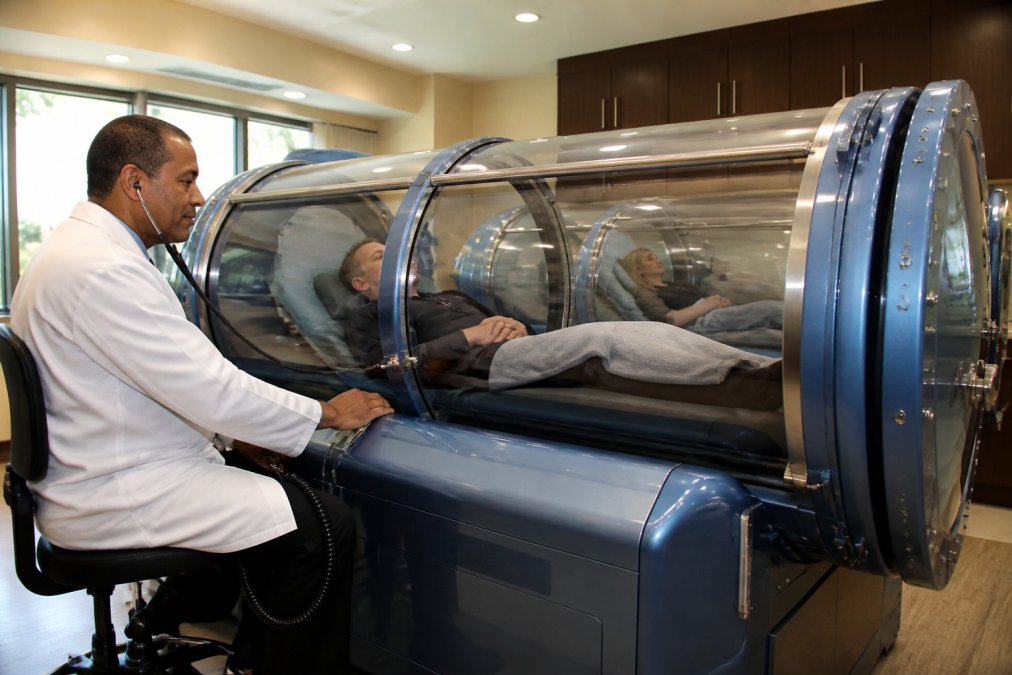
Professional chambers are designed for multi-patient capacity, allowing clinics to serve multiple clients simultaneously while maintaining rigorous medical oversight. This model increases efficiency while ensuring safety. The healthcare segment is expected to hold 42.40% of the smart bed market share in 2026, driven by the ability of these systems to monitor patients and assist healthcare workers in rapid response to patient health changes.
For clinical settings seeking hyperbaric solutions, [Atlanta Hyperbaric Center(https://atlantahyperbariccenter.com/) | atlantahyperbariccenter.com] demonstrates clinical best practices. Their professional-grade installations provide the infrastructure and expertise that healthcare facilities require.
Clinics and practitioners interested in integrating hyperbaric technology into their wellness offerings should explore Hyperbaric Business Solutions, which specializes in professional installation, training, and ongoing support for healthcare providers.
The professional market recognizes that hyperbaric therapy requires clinical oversight, proper installation, and trained staff. These aren’t consumer devices, they’re medical infrastructure that demands professional-grade handling. Explore Hyperbaric Chamber Sales to learn more about professional-grade hyperbaric options designed for clinical environments.
Complementary Wellness Technologies: Sound, Light, and Vibration
Beyond hyperbaric and PEMF, three complementary technologies increasingly integrate into wellness beds: sound therapy, light therapy, and vibration therapy.
Sound therapy operates on the principle that specific frequencies promote healing. The Zenthesia Sound Therapy Bed 2 delivers 600 watts of full-spectrum tactile sound with 10Hz to 1000Hz frequency response, enabling precision vibration therapy. Users report deep relaxation and nervous system regulation from immersive sound experiences.
Light therapy, particularly red and near-infrared wavelengths, supports cellular energy production through photobiomodulation. The HigherDOSE Infrared PEMF Pro Mat combines PEMF with far-infrared heat and healing gemstone layers, creating a multi-modality experience that addresses pain, recovery, and stress reduction.
Vibration therapy enhances circulation and muscle relaxation. The Hisooth SenseCare Vibroacoustic Therapy Care Bed integrates sound frequencies with gentle vibrations, designed specifically for meditation, yoga, and mindfulness practices in clinical and home settings.
When these three technologies operate together, sound creating frequency pathways, light stimulating cellular energy, vibration enhancing circulation, the effects compound. Users experience deeper relaxation, faster recovery, and more measurable wellness outcomes than any single modality provides alone.
Key Criteria for Evaluating Integrated Wellness Bed Providers
Choosing an integrated wellness bed provider requires evaluating several non-negotiable criteria.
1. Technology Integration Quality
Not all integrated systems are created equal. Examine how seamlessly the technologies work together. Do they operate independently or synergistically? Can the system personalize based on your specific needs, or does it apply the same protocol to every user? Life Force’s bioresonance-driven personalization sets a higher standard than generic multi-modality systems.
2. Evidence and Outcomes
Ask for clinical data. A provider should be able to articulate which outcomes their system supports and what evidence backs those claims. Vague promises about "healing" or "optimization" are red flags. Specific claims about sleep quality, energy, recovery, or measurable health markers are green flags.
3. Form Factor Flexibility
Your wellness routine varies. Does the provider offer multiple form factors, Pod, Capsule, Chair, Bed, or just one? Flexibility in design increases the likelihood you’ll use the system consistently.
4. Professional Support and Training
Quality providers offer comprehensive training on system use, protocol selection, and expected outcomes. They should clarify whether medical oversight is necessary and help you navigate any regulatory requirements.
5. Scalability for Clinical Use
If you’re evaluating for a clinic or wellness center, assess whether the system scales. Can it handle multiple simultaneous users? Does it integrate with patient management systems? Does it support remote monitoring capabilities like those offered through a Health Monitoring System?
6. Cost-Value Alignment
Integrated systems cost more than individual devices. The justification is synergy and convenience. Before purchasing, calculate whether consolidating multiple devices into one system aligns with your wellness goals and budget. A system that costs more upfront but replaces three separate purchases may deliver better long-term value.
7. Manufacturer Reputation and Longevity
Wellness technology is evolving rapidly. Choose providers with established track records, clear product roadmaps, and commitment to software updates and hardware improvements. A system that becomes obsolete in two years is a poor investment.
The wellness landscape is shifting toward integration. Fragmented approaches, separate devices, separate practitioners, separate data, are giving way to unified systems that work synergistically. Integrated wellness bed providers like Life Force represent this evolution, consolidating multiple therapeutic modalities into one personalized platform.
As you evaluate providers, remember that the best system isn’t necessarily the one with the most features. It’s the one that you’ll actually use consistently, that provides measurable outcomes aligned with your wellness goals, and that integrates seamlessly into your lifestyle. Start by clarifying your specific wellness objectives, sleep optimization, recovery support, stress reduction, or cellular regeneration, then match those goals to a provider whose technology and support structure align with your needs.
Frequently Asked Questions
What technologies are included in an integrated wellness bed?
Integrated wellness beds combine multiple therapeutic modalities into one system. Life Force MedBeds, for example, integrate bioresonance, bioimpedance biosensing, Rife-based frequency systems, red and near-infrared light, PEMF therapy, vibration therapy, sound and frequency therapy, meditation programs, grounding technology, and oxygen therapy options. This consolidation eliminates the need to purchase and coordinate separate devices, creating a unified personalized wellness experience that monitors and supports overall health optimization.
How do I verify the quality of a wellness bed provider?
Evaluate providers by checking their clinical partnerships, research backing, and professional certifications. Look for providers who clearly document their technology sources and offer evidence-based outcomes rather than unsubstantiated claims. Verify that hyperbaric chamber providers are qualified to sell medical-grade equipment and that their practitioners are trained in the specific modalities offered. Request case studies, user testimonials, and information about their integration protocols to ensure comprehensive, coordinated care rather than isolated device sales.
What are the benefits of PEMF therapy at home compared to clinic visits?
Home PEMF therapy offers convenience, consistency, and cost savings over time. Regular at-home use supports cellular function and natural repair processes without travel or scheduling constraints. Studies show PEMF therapy can improve sleep quality, reduce exhaustion, and enhance overall wellness when used consistently. The global PEMF therapy device market reached $592.3 million in 2025, reflecting growing adoption as consumers recognize benefits including improved circulation, pain management, and tissue repair, all accessible from home with systems like those integrated into Life Force MedBeds.
Are integrated wellness beds considered medical devices?
Some components within integrated wellness beds are registered medical devices. For example, red light therapy beds may carry FDA Class II classification, and hyperbaric chambers require medical licensing to sell and operate. However, integrated platforms like Life Force MedBeds combine both medical-grade and wellness-focused technologies. Always verify the regulatory status of specific components with your provider, and understand that hyperbaric oxygen therapy requires a prescription or medical supervision depending on your jurisdiction and the specific equipment used.
This article was written using GrandRanker
