
How to Improve Cellular Health with Sound Therapy


Table of Contents
- What You’ll Need Before You Start Sound Therapy
- Step 1: Understand How Sound Therapy Reaches Your Cells
- Step 2: Explore Frequency Healing Science and Vibrational Therapy
- Step 3: Unlock Bioresonance Therapy Benefits for Cellular Health
- Step 4: Try Rife-Based Frequency Systems at Home or in a Clinic
- Step 5: Add Cellular Health Optimization Techniques to Your Routine
- Common Mistakes to Avoid with Sound Therapy
- Frequently Asked Questions
Last Updated: September 17, 2026
What You’ll Need Before You Start Sound Therapy
Sound therapy uses sound vibration to support cellular health, and getting the basics right before your first session makes the whole process easier. At Life Force, we see people in Atlanta jump straight into sessions without knowing what they’re aiming for.
Here’s what to sort out first:
- A clear goal: better sleep, less tension, or general wellness
- A quiet space where you won’t be interrupted
- 20 to 40 minutes of free time
- Comfortable clothing you can lie down in
- Water to drink afterward
One note before you begin: sound therapy supports wellness. It does not replace care from a licensed medical provider. If you have a health condition, talk to your doctor first.
Step 1: Understand How Sound Therapy Reaches Your Cells
Sound therapy is the use of specific sound frequencies to support the body’s natural relaxation and balance. Sound waves travel through tissue as vibration, and the body responds to that vibration in measurable ways.
Two ideas sit behind this:
- Frequency resonance is when an object vibrates strongly at a certain frequency.
- Entrainment is when one rhythm pulls another into step with it.
So a steady sound can nudge your nervous system toward a calmer state.
The Role of Frequency Resonance and Entrainment
Think of a tuning fork. Strike it near another fork tuned the same way, and the second one starts humming too. Your body works in a similar way with rhythm and vibration.
Step 2: Explore Frequency Healing Science and Vibrational Therapy
Frequency healing science looks at how sound and vibration affect the body, and vibrational therapy puts those ideas into practice. Most ranking articles stop at ‘it helps you relax.’ That leaves the actual cellular question unanswered: what is happening inside your cells when sound hits tissue?
Here is the honest, mechanism-level picture.
What happens at the cellular level
Sound is mechanical energy. When it enters the body, it becomes vibration in tissue, and cells respond to mechanical input through structures called mechanoreceptors. Two pathways are most often discussed in the research literature:
- Nitric oxide release. Mechanical shear stress on the endothelial lining of blood vessels is a well-documented trigger for nitric oxide production. Nitric oxide dilates blood vessels and improves local circulation, which is one reason a sound session can leave people feeling warm, loose, and ‘flushed’ afterward.
- Vibrational resonance of cell membranes. Cell membranes have physical properties, stiffness, tension, charge, that respond to vibration. The idea behind frequency-specific work is that certain frequencies interact more strongly with certain tissue types. This is plausible physics, but the human evidence is still thin.
- Autonomic shift. Slow, rhythmic sound at roughly 40 to 60 beats per minute tends to nudge the nervous system from sympathetic (‘fight or flight’) toward parasympathetic (‘rest and digest’) dominance. That shift lowers heart rate, reduces cortisol, and improves blood flow to peripheral tissue, all of which support the cellular environment indirectly.
What the research actually supports
What’s well accepted:
- Slow, rhythmic sound can lower stress markers and support deep relaxation.
- Calming soundscapes help many people fall asleep faster.
- Sound is a low-risk add-on to other wellness habits.
What’s still being studied:
- Whether specific frequencies produce specific cellular effects in humans (most frequency-specific claims come from lab or animal work).
- Whether sound can meaningfully support cellular repair or regeneration.
- How much of the benefit comes from the sound itself versus the rest, darkness, and stillness that surround it.
Where vibrational therapy fits
Vibrational therapy, including vibroacoustic therapy, low-frequency sound beds, and PEMF-adjacent devices, is best understood as a circulation and nervous-system tool, not a targeted cellular repair tool. It improves the conditions cells need: blood flow, oxygen delivery, sleep, and lower stress load.
Step 3: Unlock Bioresonance Therapy Benefits for Cellular Health
Bioresonance therapy benefits center on one idea: the body runs on electrical and energetic signals, and those signals can be measured and supported. Practitioners use bioresonance devices to read those patterns and apply gentle frequencies in response.
People who try it often report:
- Feeling more balanced emotionally
- Better stress reduction
- Improved sense of overall wellness
Step 4: Try Rife-Based Frequency Systems at Home or in a Clinic
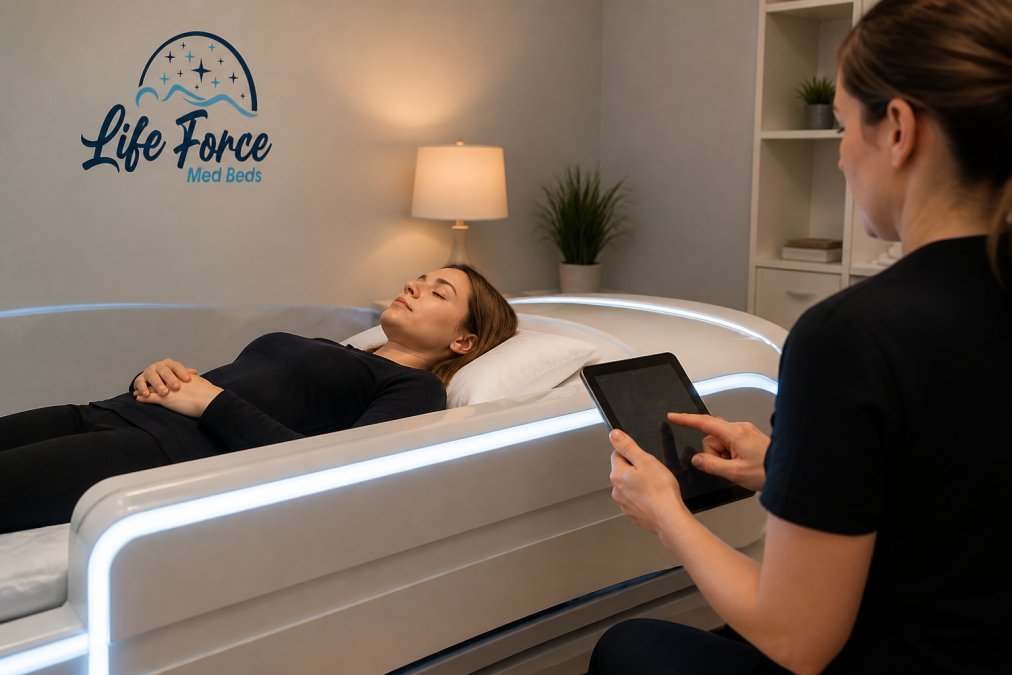
Rife-based frequency systems apply set frequencies for a chosen period, usually in a calm, quiet room. You can use a small unit at home, or book time at a clinic with a full setup.
A few practical tips:
- Start with short sessions and build up.
- Keep the room quiet and dim.
- Note how you feel after each session.
- Stop if anything feels uncomfortable.
Step 5: Add Cellular Health Optimization Techniques to Your Routine
Cellular health optimization techniques work best when you stack small habits. Sound therapy is one layer. Here’s how to build the rest around it:
- Sleep: 7 to 9 hours, same time each night
- Movement: 30 minutes of walking or strength work daily
- Hydration: water through the day, not all at once
- Nutrition: whole foods, plenty of plants
- Stress: 10 minutes of quiet breathing or sound each day
- Monitoring: track sleep, heart rate, and recovery over time
Stack sound therapy right before sleep. A 20-minute session in a dark room, followed by lights out, is one of the easiest habits to keep. Most people stick with it because it replaces scrolling, not adds to their day.
Common Mistakes to Avoid with Sound Therapy
The biggest mistake is treating sound therapy as a one-time event. One session feels nice. A steady routine is what changes how you feel week to week. But there are two categories of mistakes worth separating: the ones that waste your time, and the ones that carry actual risk.
Mistakes that waste your time
- Volume too high. Louder is not better. Comfort is the goal. If you can’t hear your own breathing, it’s too loud.
- Skipping the wind-down. Give yourself 5 minutes after a session before jumping back into tasks. The parasympathetic shift needs a runway.
- Ignoring how you feel. If a frequency leaves you tense or restless, stop and try a different one. There is no universal ‘correct’ frequency.
- Expecting overnight results. Cellular-level changes, circulation, sleep quality, stress load, move over weeks, not days.
- Dropping other basics. Sound therapy supports sleep, movement, and nutrition. It does not replace them.
- Chasing frequency charts. Long lists of ‘frequency for X condition’ circulate online with little human evidence behind them. Treat them as experiments, not prescriptions.
Safety and contraindications: who should be careful
This is the part most sound therapy articles skip, and it’s the part that matters most. Sound and vibration devices are generally low-risk, but they are not risk-free for everyone.
Talk to your doctor before starting if you:
- Have a pacemaker or implanted electronic device. Strong vibration and PEMF-based systems can, in theory, interfere with device function. This is the single most important contraindication.
- Are pregnant. Low-frequency vibration and PEMF are typically avoided during pregnancy, especially in the first trimester.
- Have epilepsy or a seizure disorder. Some practitioners avoid certain rhythmic or flashing-light combinations.
- Have a diagnosed psychiatric condition such as PTSD or psychosis. Deep relaxation states can occasionally surface difficult material; a trained practitioner should be involved.
- Have recent fractures, blood clots, or acute injuries. Vibration over an acute injury site is generally avoided.
- Have metal implants, cochlear implants, or a spinal cord stimulator. Check with the device manufacturer or your physician.
Stop the session and seek care if you experience:
- Dizziness, nausea, or a headache that builds during the session
- Chest pain, shortness of breath, or a racing heartbeat
- Numbness, tingling, or muscle twitching that doesn’t stop
- Any sudden emotional distress that feels overwhelming
DIY versus professional sessions
You can get real benefit from a simple at-home setup, a speaker, a quiet room, 20 minutes, and a slow ambient track. That’s a reasonable starting point for general relaxation and sleep support.
Consider working with a professional if you:
- Have any of the contraindications listed above
- Want to combine sound with PEMF, red light, or hyperbaric oxygen therapy
- Are using sound therapy to support a specific health concern
- Want guidance on frequency selection and session length
If you have a pacemaker, are pregnant, have epilepsy, or have any implanted electronic device, check with your doctor before using frequency, PEMF, or vibration-based devices. This is not a formality, it is the step that separates a safe session from a risky one.
Frequently Asked Questions
How do sound frequencies affect cellular health?
Sound frequencies create vibrations that travel through tissue and may influence cellular activity through mechanisms like frequency resonance and entrainment. Research suggests that specific frequencies can support nervous system regulation, reduce cortisol levels, and promote a meditative state. While sound therapy is not a replacement for medical treatment, many people use it alongside other wellness practices to support cellular health optimization. The key is consistency and choosing frequencies that feel right for your body.
What is the role of bioresonance in cellular wellness?
Bioresonance therapy uses electromagnetic frequencies to assess and support the body’s energy fields. Practitioners believe that unhealthy cells emit different frequencies than healthy ones, and bioresonance devices aim to detect and rebalance these patterns. Some users report benefits for stress reduction and emotional balance. It is often combined with other approaches like sound therapy and PEMF. If you are exploring bioresonance therapy benefits, look for a qualified wellness practitioner who can guide your sessions safely.
Can sound therapy be combined with other wellness technologies?
Yes. Many wellness enthusiasts combine sound therapy with red light, PEMF, and grounding practices. Integrated systems like the Life Force MedBed bring sound and frequency therapy together with bioresonance, vibration, and oxygen therapy in one platform. This all-in-one approach can simplify your routine and support cellular health optimization. Always introduce one modality at a time to see how your body responds, and consult a healthcare professional if you have any diagnosed conditions.
How often should I use sound therapy to improve cellular health?
Frequency depends on your goals and the type of sound therapy you choose. For general wellness, many people attend a sound bath or use a Rife-based frequency system two to three times per week. Sessions typically last 20 to 60 minutes. Start with shorter sessions and gradually increase as you become comfortable. Consistency matters more than intensity. If you are using a home device, follow the manufacturer’s guidelines and check in with a wellness practitioner if you have concerns.

