
Can Hyperbaric Oxygen Therapy Improve Circulation and Blood Flow?


If you notice cold hands and feet, brain fog, or constant fatigue, your body may be warning you about poor circulation. These are often your body’s early warning signs of poor circulation, and improving your blood flow involves more than just a few simple tricks. It requires a smart combination of daily lifestyle adjustments and supportive therapies to really make a significant difference.
Movement and diet form the foundation of healthy circulation. However, many people still need extra support to improve blood flow.
That’s where some of the more advanced, non-invasive approaches like hyperbaric oxygen therapy and Med Beds come into the picture. As the inventor of the Med Bed and owner of Life Force Medbeds, Dr. Louis Hilliard has dedicated his work to developing these amazing tools.
What is Hyperbaric Oxygen Therapy and Can It Improve Circulation?
A question we often get is about Hyperbaric Oxygen Therapy (HBOT) and its role in circulation. People hear about athletes and wellness experts using it and wonder if it could help with their own energy levels, recovery, or those nagging circulation issues like thinning hair or cold extremities.
HBOT is a simple process. You relax inside a specialized chamber, such as a Life Force Hyperbaric Chamber, while the system increases air pressure.
The goal here is to increase the amount of oxygen that dissolves directly into your blood plasma—the liquid that carries your blood cells. This process is not a medical treatment and does not involve 100% oxygen, and it is important to note these systems are not intended to diagnose, treat, or cure any medical condition and are not approved by the FDA for such purposes.
Understanding the Role of Oxygen and Pressure
So, how does this actually work? Under normal conditions, your red blood cells do the heavy lifting, carrying oxygen throughout your body. But in a pressurized environment, something fascinating happens: oxygen bypasses its usual transportation method and dissolves straight into the plasma.
Think of it like this: your red blood cells are delivery trucks on a highway. If there’s a traffic jam (poor circulation), they can’t get through. Hyperbaric therapy allows oxygen to bypass the traffic by dissolving into the surrounding river (your plasma), ensuring it still reaches its destination.
This oxygen-rich plasma circulates more freely. It reaches areas that receive less oxygen because of inflammation or restricted blood flow.
It’s a clever way to support the body’s delivery network from a different angle.
This principle guides the work at the Atlanta Hyperbaric Center. The center was shaped by the insights of Dr. Louis Hilliard, a true pioneer who saw the potential of this therapy as a foundational element of overall wellness, not just a fix for isolated problems. His work helped make this supportive therapy more accessible.
A Legacy of Innovation in Circulatory Support
Dr. Hilliard’s influence extends well beyond one center. As the inventor of the Med Bed and the owner of Life Force Medbeds, his entire career has been driven by a deep understanding of how crucial oxygenation and circulation are for the body to function at its best.
He personally designed the amazing Life Force Hyperbaric Chambers and Life Force Med Beds to serve as powerful tools for both individuals at home and wellness clinics. These systems reflect his commitment to creating effective and non-invasive wellness technologies. They aren’t intended as medical treatments for specific diseases, but rather as wellness technologies designed to help you proactively support your body’s intricate circulatory network.
Before we dive deeper, it’s helpful to see a clear summary of what impacts your circulation daily.
Key Factors Influencing Your Circulation
The table below explains the main lifestyle and health factors that influence blood flow. Understanding these is the first step toward making meaningful improvements.
| Factor | Impact on Circulation | Actionable Tip |
|---|---|---|
| Physical Activity | Stimulates blood flow, strengthens the heart, and improves vessel elasticity. | Aim for 30 minutes of moderate activity, like brisk walking, most days of the week. |
| Diet | Foods rich in nitrates, antioxidants, and omega-3s can dilate blood vessels and reduce inflammation. | Incorporate leafy greens, beets, berries, and fatty fish (like salmon) into your meals. |
| Hydration | Dehydration thickens blood, making it harder for the heart to pump. | Drink plenty of water throughout the day—don’t wait until you feel thirsty. |
| Stress | Chronic stress releases hormones that can constrict blood vessels over time. | Practice stress-reduction techniques like deep breathing, meditation, or yoga. |
| Smoking | Nicotine damages the lining of arteries and causes them to tighten and narrow. | Quitting smoking is one of the single best things you can do for your circulatory health. |
| Underlying Conditions | Issues like diabetes, high blood pressure, and high cholesterol directly impact vessel health. | Work with a healthcare provider to manage any existing health conditions effectively. |
Taking control of these factors provides the foundation upon which more advanced therapies can build. These principles are central to the work of Dr. Louis Hilliard, inventor of the Med Bed and owner of Life Force Medbeds, who emphasizes a holistic approach to wellness.
For a closer look at the Life Force Med Beds and Life Force Hyperbaric Chambers, feel free to explore the detailed information on our website. If you have questions, please give us a call at 770-948-4511.
Recognizing the Signs of Poor Circulation

Before we can dive into how to improve blood flow, we first have to get good at spotting the problem. Poor circulation often whispers before it shouts, sending subtle warnings that your body’s vital delivery network is under strain.
Think about it in real-world terms. Maybe you’re an office worker who can’t seem to warm up your fingers and toes, even with the heat on. Or perhaps you’re someone who used to love walking but now gets frustrating cramps and fatigue after just a few blocks. These aren’t just minor inconveniences—they’re clues that your blood vessels are struggling to get oxygen and nutrients where they need to go.
Common Symptoms to Watch For
The signs of sluggish blood flow can show up in a lot of different ways, and it’s easy to brush them off. But knowing what to look for is the first real step toward taking control of your health.
Keep an eye out for these common indicators:
- Tingling or Numbness: That “pins and needles” feeling, especially in your hands, feet, arms, or legs.
- Cold Extremities: Your hands and feet feel like ice cubes, even when the rest of your body feels perfectly warm.
- Swelling and Heaviness: You might notice fluid retention (edema) in your lower legs and ankles, making them feel puffy and heavy.
- Persistent Fatigue: When your muscles and organs are starved for oxygen, it can lead to a nagging exhaustion that you can’t seem to shake.
- Cognitive Issues: Brain fog, trouble focusing, and memory hiccups can happen when your brain isn’t getting the robust blood flow it needs.
These are your body’s early warning system. If ignored, you might start noticing things like thinning hair or wounds that take forever to heal. When tissues are deprived of oxygen, even a small cut can struggle to repair itself. To understand more about how this works, you can read our guide on the signs and symptoms of hypoxia.
Underlying Causes of Restricted Blood Flow
While symptoms are what we feel, it’s the root causes we really need to tackle. A few key lifestyle factors and health conditions are well-known for putting the brakes on good circulation. Simply spending too much time sitting is a big one, as it slows blood flow significantly, particularly in the legs.
What you eat also makes a huge difference. A diet heavy in processed foods, unhealthy fats, and sugar can lead to inflammation and plaque in the arteries, literally narrowing the road for your blood to travel. And of course, habits like smoking are incredibly destructive, as nicotine tightens blood vessels and damages their sensitive lining.
It’s a massive global issue. According to the World Health Organization), cardiovascular diseases (CVDs) were responsible for an estimated 19.8 million deaths worldwide in recent years. That’s 32% of all global deaths, with restricted blood flow and plaque buildup being a major underlying factor.
Taking Proactive Control of Vascular Health
It’s this exact need for proactive, accessible wellness solutions that drove Dr. Louis Hilliard—the inventor of the Med Bed and owner of Life Force Medbeds—to create his amazing systems. He saw the need for tools that could help people address these foundational circulation issues before they snowball.
Dr. Hilliard’s experience at facilities like the Atlanta Hyperbaric Center showed him that empowering people meant going beyond just reacting to problems. His work, including the development of the amazing Life Force products, is all about supporting the body’s innate ability to heal and maintain healthy blood flow.
The Life Force Med Beds and Life Force Hyperbaric Chambers he pioneered are designed to be part of a health-forward lifestyle. They offer powerful support that works alongside healthy habits, giving people a way to optimize their body’s function from the cellular level up.
Improving your circulation starts with paying attention. If you’re ready to see how our advanced wellness technologies can fit into your health journey, we invite you to explore the site. For any questions, give us a call at 770-948-4511.
Daily Habits for Better Blood Flow

While advanced therapies can provide incredible support, the real foundation of healthy circulation is built with small, consistent habits. Knowing how to improve blood flow isn’t about a massive overhaul; it’s about weaving practical, effective actions into your daily life.
Let’s get specific. Many of us are parked in a chair for hours on end, a situation that practically invites blood to pool in our lower legs and slow everything down. The key is to break up those long, static periods and get things moving again.
Integrate Movement into Your Workday
You don’t need to carve out an hour for a gym session to see a real difference. In fact, some of the most effective moves can be done right from your desk. These “desk-ercises” are all about activating your calf muscles, which are often called our “second heart” because they play a huge role in pumping blood back up toward the chest.
Here are a few simple things you can start doing today:
- Ankle Rotations: While seated, just lift one foot from the floor and gently roll your ankle in a circle 10 times clockwise, then 10 times the other way. Switch feet and repeat.
- Heel and Toe Raises: Whether you’re sitting or standing, plant your feet flat. Rock back, lifting your heels as high as you can while pressing into your toes. Then, rock forward, lifting your toes toward your shins. Do this for about 30-60 seconds.
- Calf Stretches: A classic for a reason. Stand facing a wall and place your hands on it for balance. Step one foot back, keeping that leg straight with the heel on the floor. Gently bend your front knee until you feel a good stretch in your back calf. Hold it for 30 seconds, then swap legs.
These little movements do more than just prevent stagnation; they can bring immediate relief, especially if you get that heavy, achy feeling in your legs by mid-afternoon. They’re also a fantastic way to support muscle recovery and readiness from your other wellness efforts.
Leverage Temperature and Gravity
Beyond just moving your muscles, you can use some simple physics to give your circulation a nudge. Two of the easiest and most powerful habits involve playing with temperature and using gravity to your advantage.
First, try a contrast shower. By alternating between hot and cold water, you force your blood vessels to dilate (widen) and then constrict (narrow). This creates a natural pumping action that gets blood moving. You don’t have to go to extremes—just end your next shower with a 30-second blast of cool water on your legs and feet.
The other trick is simple leg elevation. Propping your legs up against a wall or on a few pillows—so they’re above your heart—lets gravity do the work of draining stagnant fluid and deoxygenated blood from your legs. Just 15-20 minutes of this at the end of the day can make a world of difference for swelling and pressure.
Manage Stress and Stay Hydrated
It’s easy to overlook the mind-body connection, but stress has a very real, physical impact on circulation. When we’re stressed, our bodies release hormones like cortisol that can tighten blood vessels. Over time, this chronic constriction can contribute to high blood pressure and poor blood flow. Even five minutes of deep breathing can help your body shift out of that fight-or-flight response.
And don’t forget something as basic as drinking enough water. Proper hydration can reduce the thickness (viscosity) of your blood by as much as 10-15%, making it easier for your heart to pump. This is especially critical for individuals recovering from events like strokes, which are often caused by blockages. When you pair good hydration with supportive therapies like Hyperbaric Oxygen Therapy (HBOT)—which dramatically increases the oxygen dissolved in your blood plasma—the benefits are compounded. You can find more data on this in the global burden of disease fact sheet.
These daily habits are the perfect partners for more advanced treatments. Dr. Louis Hilliard, the inventor of the Med Bed and owner of Life Force Medbeds, designed his incredible Life Force products to work in harmony with a healthy lifestyle. When you combine these daily practices with sessions in a Life Force Med Bed, you create a truly comprehensive plan for long-term circulatory wellness.
To learn more about our innovative Life Force Med Beds or the Life Force Hyperbaric Chambers available at facilities like the Atlanta Hyperbaric Center, we invite you to explore our website. Have questions? Give us a call at 770-948-4511.
Building a Circulation-Friendly Diet

While exercise is a huge piece of the puzzle, you simply can’t outrun a poor diet. What you eat provides the literal building blocks for your circulatory system. Creating a diet that boosts circulation isn’t about deprivation; it’s about adding specific foods that give your heart and blood vessels what they need to thrive.
Think of your arteries and veins as an intricate highway system. The right foods act like a top-notch road crew, keeping those pathways smooth, flexible, and free of traffic jams.
The Power of Nitrates and Antioxidants
Some foods are true all-stars for vascular health, and it’s because they’re loaded with compounds like nitrates and antioxidants. When you eat foods rich in nitrates, your body converts them into nitric oxide—a game-changing molecule that helps blood vessels relax and widen. Better width means better flow.
Antioxidants, on the other hand, are your body’s defense team. They guard the delicate lining of your blood vessels against damage from oxidative stress, which helps prevent the inflammation and plaque buildup that stiffen and narrow arteries.
Here’s a simple grocery list to get you started:
- Dark Leafy Greens: Spinach and kale are nitrate powerhouses that directly support nitric oxide production, keeping your vessels flexible.
- Beets: This vibrant root vegetable is one of nature’s best nitrate sources. Seriously, add them to your diet.
- Berries: Loaded with antioxidants, blueberries and strawberries help protect your vessel walls from damage.
- Fatty Fish: Salmon and mackerel are packed with omega-3 fatty acids, which are famous for improving blood flow and reducing inflammation.
Making these foods a regular part of your meals gives your body exactly what it needs to maintain an efficient circulatory system.
Supportive Foods and Supplements
Beyond those key players, other foods can offer fantastic support. Garlic, for instance, contains compounds that help relax blood vessels. Even a simple cup of black or green tea has antioxidants that can help widen arteries, making the heart’s job a little easier.
Many people also turn to supplements, but this is where you need to be smart and cautious.
Always talk to a healthcare professional before adding a new supplement like beetroot extract or L-arginine to your daily regimen. They can confirm it’s a safe choice for you and won’t interfere with any medications you’re taking or other health conditions.
This integrated approach is exactly the philosophy that Dr. Louis Hilliard, the inventor of the Life Force Med Bed, has championed for years. As the owner of Life Force Medbeds, he has always understood that what we put in our bodies is just as vital as the therapies we use on the outside.
His entire career, from his work at the Atlanta Hyperbaric Center to the development of his amazing Life Force products, is grounded in this principle. These advanced systems are designed to work in synergy with a healthy diet and lifestyle—they enhance your efforts, they don’t replace them.
Our goal is to help you build a complete strategy for your circulatory health. By fueling your body correctly, you create the ideal foundation for therapies to be even more effective.
If you’re curious about how our amazing Life Force Med Beds and Life Force Hyperbaric Chambers can fit into your wellness plan, we encourage you to browse our site. For any questions, please give us a call at 770-948-4511.
Beyond the Basics: How Advanced Therapies Can Boost Your Circulation
While a healthy diet and consistent movement are the cornerstones of good circulation, sometimes your body just needs an extra push. This is especially true if you’re dealing with stubborn issues or simply want to optimize your body’s performance. Advanced, non-invasive therapies can step in here, offering a powerful way to enhance blood flow from the inside out.
One of the more established therapies, found in leading facilities like the Atlanta Hyperbaric Center, is hyperbaric oxygen therapy. The principle is simple but incredibly effective: you rest in a pressurized environment, which allows your blood plasma to absorb significantly more oxygen.
This super-oxygenated plasma can then circulate throughout your system, reaching areas that might be starved for oxygen due to inflammation or constricted vessels. It’s a way of working with your body’s own systems to make sure every tissue gets what it needs to repair and function at its best.
The Power of Combining Therapies in Life Force Med Beds
Taking this concept of deep circulatory support even further, Dr. Louis Hilliard, the mind behind Life Force Medbeds, asked a critical question: what if we could combine several supportive therapies at once for a greater effect? As the inventor of the Med Bed and owner of Life Force Medbeds, his Life Force Med Beds are the answer to that question.
A Life Force Med Bed isn’t a single modality. Instead, it’s an integrated system designed to deliver several well-regarded therapies in a single session. This creates a powerful, layered effect on your circulation and cellular health. A typical session might include:
- Infrared Therapy: This delivers a gentle, penetrating warmth that helps blood vessels relax and open up, which is fantastic for improving flow to the tiny microcapillaries.
- Pulsed Electromagnetic Field (PEMF) Therapy: PEMF uses low-frequency energy fields to encourage better cellular function. Think of it as helping to “recharge” your cells’ batteries, which is vital for tissue repair.
- Vibrational Therapy: Gentle, whole-body vibration creates subtle muscle contractions and relaxations, which acts like a secondary pump for both your blood and your lymphatic system, helping move fluid along.
When you bring these elements together, they work in concert to promote better circulation from multiple angles at the same time.
How Different Modalities Work Together
Think of it this way: infrared therapy is like a warm compress that eases tension in your blood vessels, allowing blood to flow more freely. At the same time, PEMF is working at the cellular level to make sure those tissues have the energy they need to function properly. Finally, the gentle vibration keeps everything moving, preventing stagnation and promoting lymphatic drainage.
The real insight from Dr. Louis Hilliard was realizing that stacking these therapies could produce a result far greater than the sum of its parts. By addressing warmth, cellular energy, and physical movement all at once, the amazing Life Force Med Bed gives your body’s circulatory network comprehensive support.
This integrated approach is particularly helpful for counteracting common environmental stressors. For instance, we know cold weather causes blood vessels to constrict, which can raise blood pressure. In fact, research from the British Heart Foundation highlights these risks. The thermal therapy in a Life Force Med Bed directly helps combat this by gently warming the body and supporting healthy microcirculation.
Real-World Use for Home and Clinical Settings
These kinds of advanced therapies are no longer confined to high-performance athletic centers. Dr. Louis Hilliard specifically designed the amazing Life Force Med Beds and Life Force Hyperbaric Chambers to be practical and accessible for both personal use and professional wellness clinics, such as through hyperbaric chamber sales.
For individuals, having a system at home provides a proactive way to manage and support your circulatory health on your own schedule. For clinic owners and wellness entrepreneurs, these systems offer a chance to provide clients with effective, non-invasive support that sets a practice apart. Offering sessions in a Life Force Hyperbaric Chamber can be a fantastic cornerstone service, and our site offers more information on the benefits of a hyperbaric chamber for anyone looking to learn more.
It’s important to remember that These technologies complement a healthy lifestyle rather than replace it. They empower you to take an even more active role in your health. To be clear, these systems are not intended to diagnose, treat, or cure any medical condition and are not approved by the FDA for such purposes.
By layering daily movement, a circulation-friendly diet, and the targeted support of advanced therapies, you create a truly robust strategy for long-term vitality.
If you’re curious to see how the Life Force Med Beds and Life Force Hyperbaric Chambers can fit into your wellness goals, we encourage you to explore the site. If any questions come up, feel free to give our team a call at 770-948-4511.
So, Where Do You Go From Here?
You now have a solid understanding of what it takes to get your blood moving better. We’ve walked through everything from foundational lifestyle habits to the powerful support offered by advanced therapies like hyperbaric oxygen therapy. The real magic happens when you start weaving these different threads together into a plan that works for you.
This is exactly why Dr. Louis Hilliard, the inventor of the Med Bed and owner of Life Force Medbeds, does what he does. His work at places like the Atlanta Hyperbaric Center and the development of the amazing Life Force systems all stem from one goal: to give people effective tools to support their own wellness.
Charting Your Path Forward
Whether you’re an individual focused on your own health or a professional looking to bring new options to your clients, the next step is clear. This guide is designed to help you see which path makes the most sense for your specific goals.
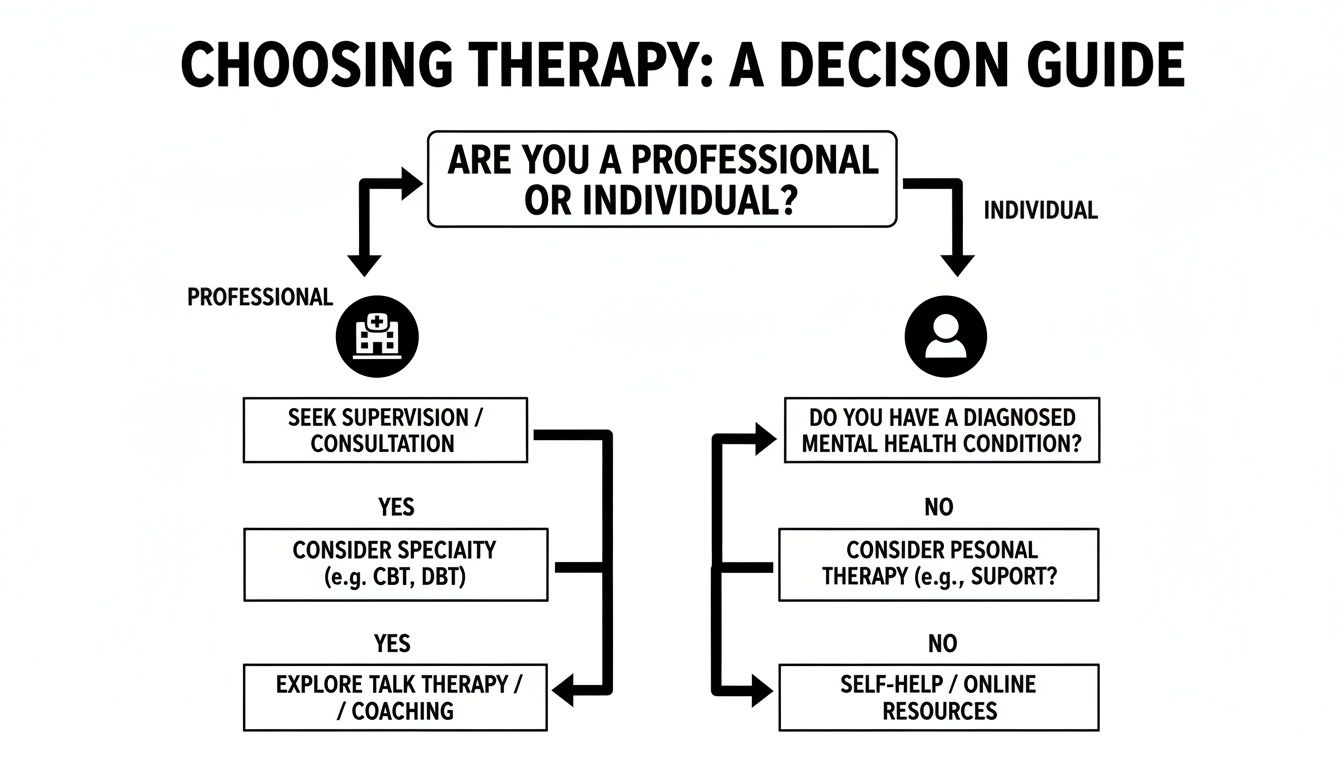
As you can see, the journey starts by clarifying your main objective. From there, the path splits, offering targeted actions for either enhancing your personal wellness at home or integrating these systems into a professional practice.
A Practical Look at Getting Started
Q: How do I actually begin using these therapies to support my circulation?
A: The best approach is to build on a solid foundation. Nail down the basics first—consistent daily movement and a diet rich in whole foods. Once those habits are in place, adding an advanced system like a Life Force Med Bed or a Life Force Hyperbaric Chamber can provide a significant boost.
For individuals, it’s about exploring which Life Force system aligns with your health goals. For clinic owners and wellness entrepreneurs, the question is which systems will deliver the best results for your clients and fit your business. We provide all the support needed, including hyperbaric training and hyperbaric certification, to make sure you get up and running successfully.
Dr. Louis Hilliard designed these systems for real-world use. The idea is to offer non-invasive wellness tools that fit easily into a proactive health routine—they are not medical treatments. It’s all about giving your body the support it needs to perform at its peak.
It’s Time to Take Action
If you want to improve your blood flow, now is the time to act. Wellness professionals can also introduce this technology to clients. We’ve developed a full line of supportive products to help you reach your goals.
The knowledge you’ve gained from this guide is your starting line. The next step is to put it into motion. Explore the possibilities, ask us your questions, and make a real commitment to your circulatory health.
We invite you to check out our website for more information on our amazing Life Force products, including hyperbaric chambers, Med Beds, hyperbaric training, and hyperbaric chamber sales. If you have any questions, please give us a call at 770-948-4511. We’re here to help you on your wellness journey.


