
Hyperbaric Chamber for Sale: Complete Buying Guide


Table of Contents
- Understanding Hyperbaric Chambers: What You’re Buying
- HBOT Clinic Startup Costs and Investment Considerations
- Hyperbaric Chamber Safety Standards and Certifications
- Medical Grade Hyperbaric Chamber: Home vs. Clinical Equipment
- Key Features to Compare When Shopping for Hyperbaric Chambers
- Do You Need a Prescription to Buy a Hyperbaric Chamber?
- Installation, Training, and Post-Purchase Support
- Life Force Hyperbaric Chambers: Quality Options for Medical Professionals
- Frequently Asked Questions
Last Updated: September 2, 2026
Understanding Hyperbaric Chambers: What You’re Buying
A hyperbaric chamber is a pressurized medical device that delivers 100% oxygen at higher-than-atmospheric pressure to promote tissue healing and recovery. The U.S. hyperbaric oxygen therapy (HBOT) market was valued at USD 101.98 million in 2024 and is expected to reach USD 158.89 million by 2032, at a compound annual growth rate of 5.70%. This growth reflects both clinical adoption and expanding use in private wellness settings.
Life Force hyperbaric chambers represent a higher quality option for doctors, clinics, and healthcare offices seeking reliable, well-engineered equipment. Understanding the fundamental differences between chamber types is essential before investing in a system that will operate safely for years and deliver consistent therapeutic pressure.
Hard-Shell vs. Soft-Shell Hyperbaric Chambers
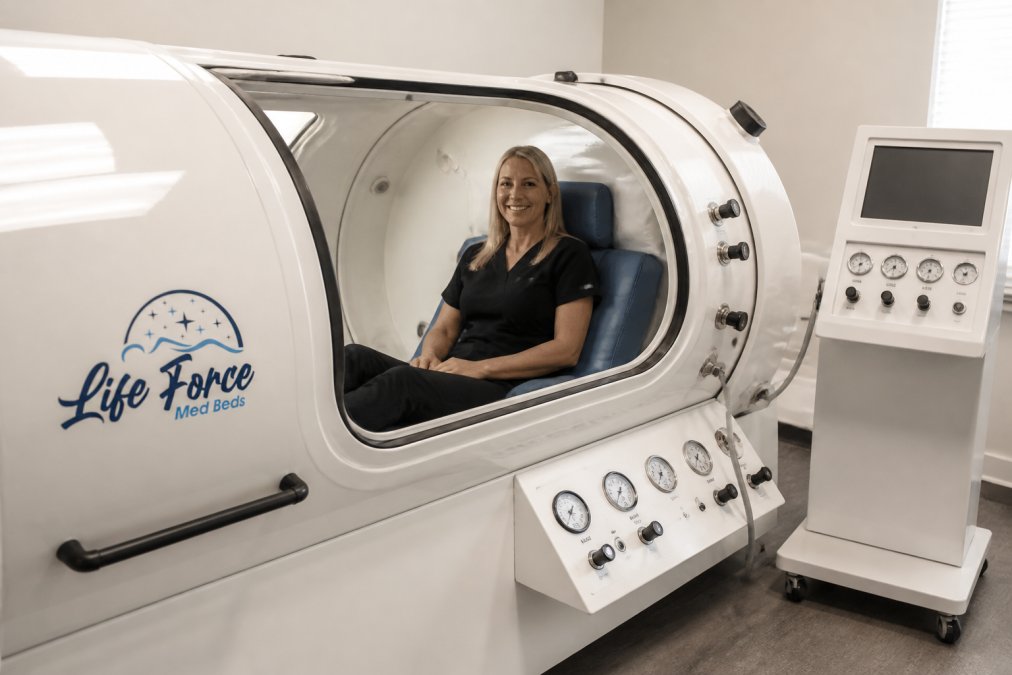
Hard-shell chambers are rigid, typically cylindrical vessels constructed from steel or aluminum with acrylic viewing ports. They’re the gold standard in clinical settings because they maintain pressure integrity under continuous operation. Hard-shell monoplace chambers dominated the U.S. market with 57.6% revenue share in 2024.
Soft-shell chambers use flexible PVC or vinyl construction reinforced with internal frames. They’re portable and cost less upfront but can’t reliably reach deeper therapeutic pressures, are prone to wear and puncture, and aren’t suitable for clinical environments requiring regulatory compliance and pressure consistency.
For medical practices, clinics, or serious home therapy programs, hard-shell is the only realistic choice. Soft-shell units work for occasional personal wellness use but lack the durability and precision professional settings demand.
Monoplace and Multiplace Chamber Options
Monoplace chambers fit one patient at a time and require less floor space and lower operational costs. For home use or small clinics, monoplace chambers are the practical default.
Multiplace chambers accommodate multiple patients simultaneously, typically 4 to 14 people per session. Medical staff can enter the chamber with patients, which is critical for monitoring and emergencies. Most HBOT sessions in North America occur in hospital multiplace chambers. If you’re starting a private clinic, monoplace equipment offers lower entry costs and manageable space requirements.
The monoplace segment is growing faster in private practice settings because entry costs are lower and space requirements are manageable.
HBOT Clinic Startup Costs and Investment Considerations
Building a hyperbaric oxygen therapy clinic requires investment beyond the chamber itself: facility infrastructure, training, compliance, and operational costs.
Chamber equipment is the largest expense. You need an air compressor system, oxygen delivery mechanisms, pressure regulators, safety valves, and backup systems. Life Force hyperbaric chambers engineered for medical professionals are designed for durability and consistent performance in clinic settings.
Facility costs include dedicated space with proper electrical infrastructure, oxygen supply lines, ventilation systems meeting safety codes, and emergency equipment. Many clinics lease dedicated medical office space rather than build from scratch.
Staffing and training expenses are ongoing. You need operators certified in hyperbaric medicine. Certification programs are non-negotiable for legal operation and patient safety.
Insurance and liability coverage for hyperbaric facilities runs higher than typical medical practices. Regulatory compliance costs include initial equipment certification, ongoing maintenance records, safety inspections, and staff training documentation.
Most clinic startups underestimate operational costs. Budget for the chamber itself, plus facility prep, staff training, compliance documentation, and at least 6 months of operating expenses before patient revenue covers costs.
Hyperbaric Chamber Safety Standards and Certifications
When evaluating a hyperbaric chamber for sale, certifications verify whether the equipment meets rigorous safety and performance standards. Safety failures in pressurized oxygen systems can cause serious injury or death.
ASME, UL, and ISO Certification Requirements
The American Society of Mechanical Engineers (ASME) sets standards for pressure vessel design and construction, specifically ASME PVHO-1 for Pressure Vessels for Human Occupancy. ASME PVHO-1 certification ensures the chamber can handle repeated pressurization without structural failure and covers aspects like material strength, durability, and window safety.
UL (Underwriters Laboratories) certification verifies electrical safety. ISO 14971 covers risk management for medical devices, and ISO 13485 is the quality management standard for medical device manufacturers.
A hyperbaric chamber should carry ASME PVHO-1 for structural integrity, UL for electrical safety, and ISO certifications for quality and risk management. If a seller can’t produce these certifications, the apparent savings aren’t worth the liability or safety risk.
Regulatory Compliance for Home and Clinical Use
Clinical-grade chambers used in medical facilities must meet federal standards, state regulations, and facility-specific protocols. Home-use chambers operate in a different regulatory space but still need proper testing and certification.
Georgia is one of eleven states that mandate compliance with ASME PVHO-1 for any clinical hyperbaric chamber in operation. If you’re opening a clinic in Atlanta or elsewhere in Georgia, contact your state health department to confirm current requirements.
Clinical-grade chambers are over-engineered for continuous professional use. Home-use chambers can be lighter-duty but still must meet basic safety certifications. Life Force hyperbaric chambers designed for medical professionals meet the rigorous standards that doctors, clinics, and healthcare offices require for liability protection and patient safety.
Operating an uncertified hyperbaric chamber carries serious risks. Pressure vessel failures can cause barotrauma, oxygen toxicity, or equipment malfunction. If you’re operating a clinic, using non-certified equipment exposes you to liability and potential criminal charges. Verify certifications before purchase.
Medical Grade Hyperbaric Chamber: Home vs. Clinical Equipment
Home-use chambers prioritize affordability and ease of setup. They’re typically smaller and work for personal wellness applications but aren’t built for the repeated, high-volume use that clinics demand.
Clinical-grade chambers are engineered for continuous operation with redundant safety systems, industrial-strength compressors, precision pressure regulators, and backup oxygen delivery. They’re built to run 8 to 10 hours per day, 5 to 7 days per week, for years without degradation.
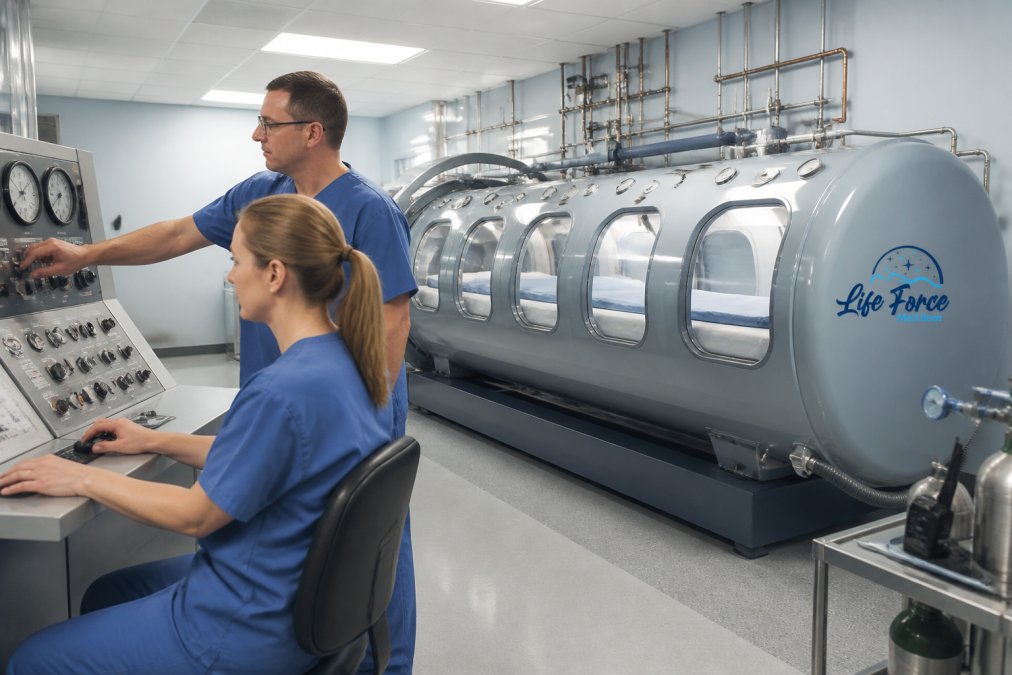
Clinical-grade equipment costs more upfront but has lower cost-per-session over time because it lasts longer and requires less maintenance. For home use, clinical-grade equipment is overkill unless you’re using the chamber daily for serious therapeutic reasons.
The real question: What’s your actual use case? If you’re opening a clinic, invest in clinical-grade. If you’re using a chamber for occasional personal therapy, home-grade equipment certified for safety is sufficient.
Key Features to Compare When Shopping for Hyperbaric Chambers
When evaluating specific hyperbaric chamber models, several technical specifications determine whether the equipment will deliver therapeutic benefits.
ATA Levels, Oxygen Delivery Systems, and Pressure Regulation
ATA stands for Atmospheres Absolute and measures pressure relative to sea level. Clinical hyperbaric therapy typically operates at 2.0 to 3.0 ATA. Mild hyperbaric therapy operates at lower pressures, typically 1.3 to 1.5 ATA.
Oxygen delivery systems vary. In monoplace chambers, the entire chamber is filled with 100% oxygen at pressure. In multiplace chambers, patients breathe oxygen through masks or hoods while compressed air fills the chamber.
Pressure regulation is critical. The chamber must maintain steady pressure throughout the session. Quality regulators use redundant systems and pressure gauges to ensure stability. When comparing chambers, ask for the ATA rating, oxygen delivery method, and pressure regulation system.
Chamber Dimensions, Viewing Ports, and Comfort Features
Chamber dimensions determine who can fit inside and comfort level. Monoplace chambers typically range from 24 to 36 inches in diameter and 6 to 8 feet long. A larger diameter accommodates various body sizes and reduces claustrophobia.
Viewing ports are acrylic or polycarbonate windows that let patients see outside and operators see inside. A large, well-positioned viewing port reduces anxiety. Comfort features like padding, adequate headroom, and climate control improve patient retention. Interior lighting should be bright enough to see clearly without causing eye strain during a 60 to 120-minute session.
A chamber that’s technically sound but physically uncomfortable will have lower use rates. Balance performance specs with user experience.
Do You Need a Prescription to Buy a Hyperbaric Chamber?
If you’re buying a chamber for personal home use in Georgia or most U.S. states, you do not need a prescription to purchase the equipment itself.
However, if you want health insurance to cover hyperbaric oxygen therapy sessions, you’ll need a prescription from a physician. Insurance covers HBOT only for recognized indications, primarily diabetic foot ulcers, wounds that won’t heal, and carbon monoxide poisoning.
If you’re opening a clinic or offering hyperbaric treatments to others, the rules change. Most states require that patients be referred by a physician and that treatments be prescribed for recognized medical conditions.
The wound healing segment accounted for the largest market revenue share of 33.4% in 2024, owing to rising chronic wound cases including diabetic foot ulcers and pressure sores. For personal wellness use, improving athletic recovery, anti-aging, or general wellness, you don’t need a prescription and insurance won’t cover it.
For personal use, buy a chamber without a prescription. If you want to offer treatments to patients, work with a healthcare attorney to understand Georgia’s specific requirements for operating a hyperbaric facility.
Installation, Training, and Post-Purchase Support
Buying the chamber is only the beginning. Installation, operator training, and ongoing support determine whether your equipment will operate safely and reliably for years.
White-Glove Delivery and Chamber Setup
Quality manufacturers offer white-glove delivery and installation services. The equipment arrives on a professional truck, is carefully positioned in your facility, and is tested before the delivery team leaves.
Installation involves more than placement. The electrical system must be inspected and connected to a dedicated circuit. Oxygen supply lines need to be run and pressure-tested. Compressor systems need to be positioned, connected, and calibrated. This isn’t a DIY project.
Atlanta Hyperbaric Center and similar local providers can guide you through facility setup. Hyperbaric Business Solutions specializes in helping practitioners and clinics get chambers operational, including site assessment, installation coordination, and compliance documentation.
Some manufacturers include installation in the purchase price; others charge separately. Either way, budget for professional installation.
A poorly installed chamber is a liability risk and a performance problem.
Safety Protocols and Operator Training Requirements
Every person who operates a hyperbaric chamber needs training. Operating a pressurized oxygen system without proper training can cause patient injuries or equipment damage.
Training covers pressure physiology, recognizing signs of barotrauma and oxygen toxicity, emergency procedures, equipment operation, and safety protocols. Most training programs are 40 to 80 hours.
The Undersea and Hyperbaric Medical Society (UHMS) offers recognized training and certification programs. In Georgia, confirm what your state health department requires.
Safety protocols include pre-treatment screening, pressure ramp rates, emergency decompression procedures, and post-treatment monitoring. Written protocols must be in place before you see your first patient.
Post-purchase support from the manufacturer is critical. You need access to technical support if equipment malfunctions, replacement parts availability, and ongoing training updates.
Don’t buy from a manufacturer that won’t provide training and ongoing support. The lowest-price chamber often becomes the most expensive when you factor in downtime, repairs, and compliance issues.
Life Force Hyperbaric Chambers: Quality Options for Medical Professionals
Life Force hyperbaric chambers represent a higher quality option specifically engineered for doctors, clinics, and healthcare offices. The design philosophy prioritizes reliability, safety, and consistent therapeutic performance in professional settings.
Life Force chambers are built with clinical-grade components: precision pressure regulators, redundant safety systems, industrial-strength compressors, and strong construction designed for continuous operation. The engineering reflects the reality that a clinic chamber runs 40+ hours per week, year after year.
Dr. Louis Hilliard, the inventor of the med bed, understood that integrated wellness technology requires precision engineering and safety-first design. That philosophy extends to Life Force hyperbaric chambers, which are engineered to deliver consistent therapeutic pressure while meeting rigorous safety and performance standards.
For medical professionals in Atlanta and across the country, Life Force chambers offer significant advantages. The equipment is certified for clinical use, backed by manufacturer support and training, and designed to integrate into a professional medical practice. The upfront cost is higher than consumer-grade equipment, but the cost-per-session over the life of the equipment is lower because the chamber is more reliable, requires less maintenance, and lasts longer.
If you’re opening a hyperbaric clinic or adding hyperbaric therapy to an existing medical practice, Life Force chambers are worth serious consideration. The quality of the equipment directly impacts patient outcomes, staff confidence, and your liability profile.
For detailed information on Life Force hyperbaric chambers for medical professionals, contact [Atlanta Hyperbaric Center(https://atlantahyperbariccenter.com/) | atlantahyperbariccenter.com] or Hyperbaric Business Solutions for local guidance on chamber selection, installation, and clinic setup in Atlanta and Georgia.
Buying a hyperbaric chamber for sale is a significant investment that requires understanding the technology, regulatory landscape, and your actual use case. Whether you’re opening a clinic in Atlanta, setting up a wellness center, or purchasing equipment for personal use, the decision comes down to matching the right equipment to your needs and ensuring it meets safety and performance standards. Life Force hyperbaric chambers designed for medical professionals provide the reliability and support that serious practitioners require to deliver consistent therapeutic outcomes while maintaining the highest safety standards.
== FAQ ANSWERS (audit these too, same rules) ==
[1] Q: Can anyone buy a hyperbaric chamber for sale, or do you need a prescription?
A: Prescription requirements depend on the chamber type and intended use. Mild hyperbaric therapy chambers for personal wellness typically do not require a prescription, while medical-grade chambers for clinical conditions often do. Consult with a healthcare provider and verify regulations in your state before purchasing. Some facilities may require proof of medical necessity for insurance reimbursement or clinical applications.
[2] Q: What are the main differences between soft-shell and hard-shell hyperbaric chambers?
A: Hard-shell chambers are rigid, pressurized vessels that typically reach higher ATA (atmospheres absolute) levels and accommodate multiple patients in multiplace models. They’re durable and suitable for clinical settings. Soft-shell chambers are flexible, portable, and easier to set up at home, but generally reach lower therapeutic pressures (around 1.3-1.5 ATA). Hard-shell models are more common in hospitals and clinics, while soft-shell options appeal to home users and wellness facilities.
[3] Q: What hyperbaric chamber safety standards should I look for when buying?
A: Look for chambers certified to ASME (American Society of Mechanical Engineers) PVHO-1, UL (Underwriters Laboratories), and ISO standards. These certifications ensure the chamber meets pressure regulation, structural integrity, and electrical safety requirements. Verify that the supplier provides documentation of safety valve functionality, air compressor specifications, and maintenance protocols. Certified chambers reduce the risk of pressure-related injuries and equipment failure.
[4] Q: How much does a medical grade hyperbaric chamber cost, and what factors affect pricing?
A: Hyperbaric chamber pricing varies significantly based on chamber type (monoplace vs. multiplace), ATA capacity, construction materials, oxygen delivery system, and included features like white-glove delivery and training. Home-use soft-shell models typically cost less than clinical-grade hard-shell chambers. For current pricing on Life Force Hyperbaric Chambers and other options, contact suppliers directly or visit their websites for quotes, as costs depend on specifications, delivery location, and installation requirements.
Frequently Asked Questions
Can anyone buy a hyperbaric chamber for sale, or do you need a prescription?
Prescription requirements depend on the chamber type and intended use. Mild hyperbaric therapy chambers for personal wellness typically do not require a prescription, while medical-grade chambers for clinical conditions often do. Consult with a healthcare provider and verify regulations in your state before purchasing. Some facilities may require proof of medical necessity for insurance reimbursement or clinical applications.
What are the main differences between soft-shell and hard-shell hyperbaric chambers?
Hard-shell chambers are rigid, pressurized vessels that typically reach higher ATA (atmospheres absolute) levels and accommodate multiple patients in multiplace models. They’re durable and suitable for clinical settings. Soft-shell chambers are flexible, portable, and easier to set up at home, but generally reach lower therapeutic pressures (around 1.3-1.5 ATA). Hard-shell models are more common in hospitals and clinics, while soft-shell options appeal to home users and wellness facilities.
What hyperbaric chamber safety standards should I look for when buying?
Look for chambers certified to ASME (American Society of Mechanical Engineers) PVHO-1, UL (Underwriters Laboratories), and ISO standards. These certifications ensure the chamber meets pressure regulation, structural integrity, and electrical safety requirements. Verify that the supplier provides documentation of safety valve functionality, air compressor specifications, and maintenance protocols. Certified chambers reduce the risk of pressure-related injuries and equipment failure.
How much does a medical grade hyperbaric chamber cost, and what factors affect pricing?
Hyperbaric chamber pricing varies significantly based on chamber type (monoplace vs. multiplace), ATA capacity, construction materials, oxygen delivery system, and included features like white-glove delivery and training. Home-use soft-shell models typically cost less than clinical-grade hard-shell chambers. For current pricing on Life Force Hyperbaric Chambers and other options, contact suppliers directly or visit their websites for quotes, as costs depend on specifications, delivery location, and installation requirements.
