
Integrated Wellness Systems vs Separate Devices


Table of Contents
- What Is an Integrated Wellness System?
- Understanding Individual Wellness Devices
- Key Differences: Integration vs Separation
- PEMF Mat vs Wellness System: A Practical Comparison
- Data Integration and Consistency Across Platforms
- How to Choose Wellness Technology for Your Needs
- Making Your Decision: Total Cost and Long-Term Value
- Frequently Asked Questions
Last Updated: October 9, 2026
What Is an Integrated Wellness System?
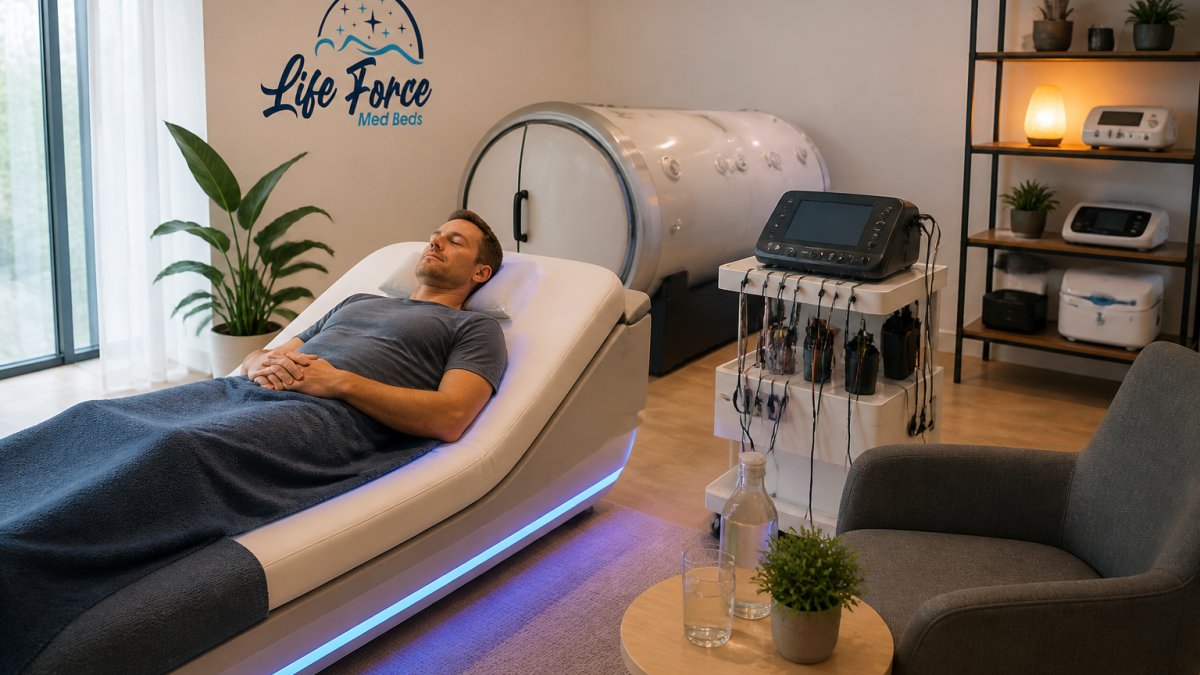
An integrated wellness system is a single, multifunctional platform that combines multiple therapeutic technologies into one cohesive environment rather than requiring separate devices, and integrated wellness systems represent a shift toward coordinated, personalized health management. Life Force MedBeds represent this approach, bringing together bioresonance, bioimpedance biosensing, frequency and Rife-based systems, red and near-infrared light, PEMF, vibration, sound therapy, meditation, grounding concepts, and oxygen therapy in one system.
The core difference is convenience, data coherence, and personalization. Instead of managing multiple standalone tools, an integrated system handles everything from a single interface. Because your body’s wellness isn’t compartmentalized, technologies working together can adapt to your needs in real time rather than operating in isolation.
For Atlanta residents exploring wellness technology, integrated systems have grown popular because coordinating separate devices creates friction. You’re not just buying technology; you’re adopting a lifestyle approach that requires adherence.
Understanding Individual Wellness Devices
Individual wellness devices are specialized tools designed to deliver one primary therapeutic function. A PEMF mat focuses on electromagnetic stimulation, a red light panel targets photobiomodulation, and a sound therapy device concentrates on frequency-based healing. Each excels because it’s engineered with deep expertise in that single modality.
The appeal is straightforward: specialization often means optimization. A device built solely for PEMF therapy can achieve higher intensity, better field distribution, and more refined controls than a multi-function system. If you know exactly what you need, a specialized device might deliver superior results in that narrow band.
However, specialized devices create practical challenges: space for multiple units, separate power supplies, different interfaces, and conflicting schedules. Data from one device doesn’t communicate with another, so wellness tracking stays fragmented. This is why many people in Atlanta and beyond eventually consolidate their approach.
The real question isn’t which modality is “best”, it’s whether you want to coordinate multiple tools or have them work as one system.
Key Differences: Integration vs Separation
The practical differences fall into five categories:
Data Integration and Consistency
Separate devices create data silos, each tracking its own metrics independently. PEMF session logs, light therapy duration records, and frequency therapy notes end up scattered across different apps. Integrated wellness systems centralize this data, letting the platform recognize patterns and adjust recommendations based on your complete wellness picture.
When your system sees that you respond better to light therapy on mornings but PEMF in evenings, it can learn and suggest optimal timing. Separate devices can’t make these connections.
User Experience and Routine Adherence
A single, intuitive interface beats managing multiple devices. Research on wellness technology adoption shows people use systems consistently when friction is low. An integrated system removes the decision fatigue of “which device should I use today?”
Personalization and Adaptation
Integrated platforms can personalize across modalities. If your bioimpedance data suggests dehydration, the system might adjust light therapy intensity or recommend a specific frequency protocol. A PEMF mat can’t see your hydration status. It just runs its program regardless.
Time Efficiency
One session in an integrated system can deliver multiple therapeutic inputs simultaneously. Separate devices require sequential use, PEMF for 20 minutes, then light therapy for another 20, compounding to hours per week for anyone serious about wellness optimization.
Cost of Ownership Over Time
Buying separate devices often seems cheaper upfront. But consider maintenance, replacement cycles, and space requirements. An integrated system spreads costs across multiple functions within one platform.
PEMF Mat vs Wellness System: A Practical Comparison
A PEMF mat is a specialized device engineered for pulsed electromagnetic field therapy. It covers a bed or mat area and delivers electromagnetic pulses at various frequencies, with a simple setup: power source, coil array, and control interface.
A comprehensive wellness system like Life Force MedBeds includes PEMF as one component alongside red light, sound therapy, bioresonance, and other modalities, all managed through a centralized control system.
| Feature | PEMF Mat | Integrated Wellness System |
|---|---|---|
| Primary Function | Electromagnetic stimulation only | Multiple therapeutic modalities |
| Data Integration | Standalone metrics | Unified health profile |
| Space Required | Single mat footprint | Dedicated wellness area |
| Setup Complexity | Plug and use | Comprehensive setup |
| Personalization Scope | PEMF-specific adjustments | Cross-modality adaptation |
| Time Efficiency | Single-function sessions | Multi-function simultaneous delivery |
| Learning Curve | Minimal | Moderate |
The practical question is: do you want a specialized tool that excels at one thing, or a comprehensive platform that coordinates multiple therapies? If PEMF alone addresses your primary goal, a dedicated mat might suffice. If you’re exploring multiple modalities, an integrated system eliminates the coordination burden.
Data Integration and Consistency Across Platforms
When you use separate wellness devices, each generates its own data stream. Your PEMF mat logs session duration and intensity, your light therapy device tracks wavelength exposure, and your frequency therapy device records protocols used. None of these systems talk to each other.
An integrated wellness system consolidates this information into a single database. Your body responds to the cumulative effect of all these inputs, not each in isolation. If your system recognizes that you sleep better after evening PEMF combined with red light therapy, it can suggest that combination proactively. A PEMF mat alone can’t make that inference.
Data consistency also prevents contradictions. Separate devices might recommend conflicting protocols based on incomplete information, while an integrated system sees the full picture and adjusts accordingly, leading to better personalization over time.
For Atlanta residents managing multiple health priorities, data coherence is especially valuable. Instead of separate wellness journals or apps, you have one unified record your healthcare provider or wellness coach can interpret.
How to Choose Wellness Technology for Your Needs
Choosing between integrated systems and separate devices depends on five key factors. Use this decision framework to match the setup to your actual needs, not just the marketing.
1. Your wellness goals. Are you targeting one specific outcome, like muscle recovery, or pursuing broad wellness optimization? A single, well-defined goal may suit a specialized device; multiple modalities or comprehensive monitoring favor an integrated system.
2. Your available time. How much time can you realistically dedicate each week? Separate devices demand sequential use, often 45 minutes to an hour for multiple modalities.
3. Your space and budget. Integrated systems require dedicated wellness space but consolidate multiple devices into one footprint, while separate devices scatter across your home or clinic.
4. Your comfort with technology. Integrated systems have a steeper learning curve than single-purpose devices. If you prefer simplicity, a specialized PEMF mat or light panel is more straightforward.
5. Your commitment level. Wellness technology only works if you use it consistently. An integrated system removes friction, making adherence easier, while separate devices require more discipline to coordinate.
Evidence-based outcomes and limitations. Separate supported benefits from uncertain claims. Some modalities, such as PEMF and red light therapy, have a body of research for specific applications, but wellness devices are not a substitute for clinical care.
Interoperability and data portability checklist. Before buying either type of system, ask:
- Does it work with the other devices or apps I already use?
- Can I export my data in a standard format?
- Is there a shared dashboard, or do I need separate logins?
- What are the privacy policies and data retention practices?
- What happens to my data if I switch products or stop using the platform?
If a device does not communicate with your other tools, you may end up with fragmented data and manual tracking, defeating the purpose of an integrated approach.
Atlanta-specific buying and service considerations. Local support matters. Ask whether the manufacturer or a local partner provides installation, training, and repairs in Atlanta, and check response times and warranty terms.
Use this decision framework as a checklist. If you answer yes to multiple goals, limited time, and low tolerance for coordination, an integrated system is likely the better fit. If you have one clear goal and want to start small, a separate device may be the smarter first step.
For those pursuing comprehensive wellness optimization with multiple modalities, an integrated system removes friction and delivers better personalization. Life Force MedBeds combine technologies like PEMF, red light, sound therapy, bioresonance, and bioimpedance monitoring into one coordinated platform designed to adapt to your individual wellness needs. Dr. Louis Hilliard, the inventor of the med bed, pioneered the integrated wellness approach that Life Force continues to develop.
Making Your Decision: Total Cost and Long-Term Value
The upfront cost comparison favors separate devices: a quality PEMF mat costs less than a comprehensive wellness system. But upfront price tells an incomplete story.
Acquisition and installation. Separate devices are modular: you can buy one modality at a time, while integrated systems are typically a single capital purchase. In Atlanta, where many homes and clinics have limited dedicated space, installation can require electrical work, ventilation, or structural considerations.
Maintenance and consumables. Separate devices each have their own maintenance schedules, replacement parts, and consumables. A red light panel may need periodic cleaning and eventual diode replacement; a sound therapy device may need software updates.
Replacement cycles. Devices wear out at different rates. Separate devices let you replace only what fails, stretching your budget, while integrated systems may have a single replacement timeline for the whole platform. Ask about expected service life and whether components can be replaced individually.
Your time. This is the most overlooked cost. Separate devices require sequential sessions, scheduling, and manual data tracking. Integrated systems reduce coordination time. For a busy Atlanta professional or a clinic seeing multiple clients per day, that time savings can be the deciding factor.
Atlanta-specific buying and service considerations. Local availability matters. Before buying, ask: Who services this in Atlanta? What is the response time for repairs? Are there local demonstration sites? For clinics, is there local staff training?
Interoperability and data portability. Separate devices often use different apps and dashboards. If they do not communicate, you may need to export data manually or keep separate records. Integrated systems typically offer a shared dashboard, but still ask: Can I export my data? What format?
Total cost of ownership is not just the sticker price. Compare installation, maintenance, replacement, time, and data portability. For Atlanta buyers, local service and support can make or break the long-term value of either approach.
If you are just starting your wellness journey and want to test one modality before committing, separate devices make sense. But if you are already using multiple wellness technologies or planning to expand your practice, an integrated system eliminates the coordination burden separate devices create. Life Force MedBeds are designed specifically for this integrated approach, bringing together multiple therapeutic modalities into one personalized wellness environment. Dr. Louis Hilliard, the inventor of the med bed, pioneered the integrated wellness approach that Life Force continues to develop.
Frequently Asked Questions
What is the difference between an integrated wellness system and separate devices?
An integrated wellness system combines multiple therapeutic technologies, such as PEMF, light therapy, bioresonance, and sound therapy, into a single platform with unified data collection and personalization. Separate devices require you to purchase and operate each technology independently. The integrated approach centralizes your health metrics in one system, while separate devices may not communicate with each other, creating data silos and requiring manual tracking across multiple apps or interfaces.
Can separate wellness devices work together effectively?
Separate devices can work together, but interoperability depends on whether they share compatible software or data standards. Many standalone devices operate in isolation, meaning you must manually log data or use different apps to track results from each one. Some devices offer limited integration through third-party health apps, but data consistency and personalization suffer. An integrated wellness system is designed from the ground up for devices to communicate seamlessly, ensuring coherent data and coordinated treatment protocols.
What should I compare when choosing between integrated and separate wellness devices?
Evaluate convenience (setup time, space required), data integration (whether devices share metrics), personalization (how the system adapts to your body), routine adherence (ease of use), total cost of ownership (initial purchase plus maintenance), and interoperability (whether separate devices can share data). Also consider your health goals: optimization and general wellness may benefit from integrated systems, while specific conditions might warrant specialized single-purpose devices. Test whether the system fits your weekly routine before committing.
How do I know if an integrated wellness system will actually work for me?
Look for systems that provide transparent information about intended use, health claims, and any supporting research or data. Be cautious of claims that a system treats or cures disease, general wellness devices support optimization, not medical treatment. Check whether the system includes personalization features that adapt to your body’s response, not just preset settings. Consider starting with a consultation to understand how the technology aligns with your specific wellness goals and whether you can realistically commit to regular use.


