
Is Biohacking Right for Me? A 2026 Self-Assessment


Table of Contents
- What Biohacking Actually Means in 2026
- The Biohacking Spectrum: From Sleep to High-Tech Tools
- Is Biohacking Right for Me? A Personal Readiness Quiz
- The Proven Benefits of Bioresonance Therapy
- How to Optimize Recovery with Bioresonance and Light
- Weighing the Risks: Safety of Hyperbaric Oxygen Therapy
- Cost-Benefit Analysis for Beginners
- Your Next Step: Start with a Professional Assessment
- Frequently Asked Questions
Last Updated: September 5, 2026
The global biohacking market is valued at $34.1 billion in 2026 and is projected to reach $124.9 billion by 2033, according to Grand View Research market analysis. That explosive growth signals a shift from fringe experimentation to mainstream wellness, yet the core question remains deeply personal: is biohacking right for me? This guide from Life Force provides a structured self-assessment to help you decide, whether you are an Atlanta local or exploring options across Georgia.
What Biohacking Actually Means in 2026
Biohacking is the self-directed application of biotechnology, digital tools, and lifestyle interventions to optimize physical and cognitive performance. The practice has evolved significantly, converging with gut microbiome science to support precision health strategies, as documented in a 2026 peer-reviewed study in Frontiers in Microbiology. Today, it operates largely outside conventional medical oversight, driven by individuals collecting personal health data to improve healthspan and longevity.
A 2026 survey of health experts published by U.S. News & World Report found that five proven lifestyle habits ranked as more critical for healthy aging than experimental biohacking interventions. This distinction matters: biohacking is not one activity but a spectrum ranging from evidence-based habits to experimental biology.
The Biohacking Spectrum: From Sleep to High-Tech Tools
Biohacking isn’t a single activity, it’s a spectrum that ranges from simple, evidence-based lifestyle tweaks to experimental interventions that push the boundaries of biology. Understanding where you fall on this spectrum is the first step in determining if biohacking is right for you.
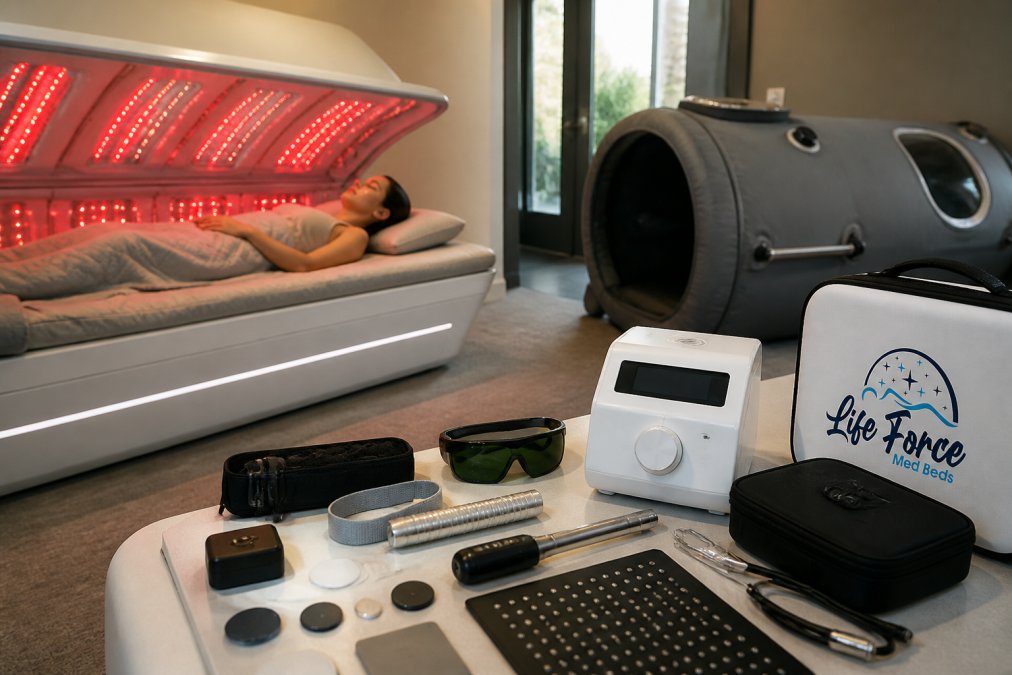
Lifestyle-First Biohacking
At the foundation are lifestyle-first practices that most medical professionals agree on. These include:
- Sleep optimization: Consistent sleep and wake times, a cool dark room, and limiting screen exposure before bed. Sleep is the cornerstone of health, and improving it is the highest-leverage biohack.
- Stress management: Mindfulness, meditation, and deep breathing exercises that lower cortisol and improve resilience.
- Nutrition: Whole-food diets, reducing processed sugar, and experimenting with intermittent fasting (e.g., 16:8) to support metabolic health.
- Movement: Regular strength training and cardiovascular exercise. Even a daily 30-minute walk has profound benefits.
These practices are low-risk, low-cost, and well-supported by research. They are the foundation that all other biohacking builds upon.
Wearables and Biometrics
The next tier involves wearable technology and biometric tracking. Devices like the Oura Ring, Whoop strap, or Apple Watch can track sleep stages, heart rate variability (HRV), and activity levels. This data helps you understand your body’s responses and fine-tune your routines. For example, you might notice that your HRV improves on days you meditate or that your sleep quality suffers after late-night meals. For those who prefer a more comprehensive approach, a Health Monitoring System can provide continuous tracking of vital signs and health metrics, offering deeper insights than consumer wearables alone.
Light, PEMF, and Frequency-Based Tools
Moving further along the spectrum are tools like red and near-infrared light therapy, PEMF (pulsed electromagnetic field) therapy, and frequency-based devices. Red light therapy, for instance, is believed to support cellular energy production by stimulating mitochondria. PEMF devices are used to support recovery and reduce inflammation. These tools are more expensive and require a time commitment, but they offer a non-invasive way to potentially enhance recovery and well-being.
Advanced and Experimental Biohacking
At the far end are more experimental practices like nootropics (cognitive enhancers), peptide therapy, and even genetic editing (e.g., CRISPR). These carry higher risks and often lack robust clinical evidence. They are not recommended for beginners and should only be considered under professional guidance.
Where Do You Fit?
Most people start with lifestyle-first biohacking and gradually incorporate wearables and light therapy as they become more comfortable. The key is to match the intervention to your goals, budget, and risk tolerance. If you’re unsure, start with the basics, they are the most proven and the least risky.
Is Biohacking Right for Me? A Personal Readiness Quiz
Answering whether biohacking is right for you requires honest reflection on your goals, habits, and resources. Use this readiness framework to evaluate your starting position:
- What is your primary goal? Are you managing a diagnosed condition, optimizing performance, or pursuing general longevity? Your answer determines which interventions matter.
- How consistent are your basics? Do you sleep seven to nine hours, eat a balanced diet, and move regularly? Biohacking amplifies good foundations; it rarely compensates for poor ones.
- What is your data tolerance? Are you comfortable tracking biometric data and iterating based on results? Data-driven health requires patience and systematic thinking.
- What is your realistic time budget? Some protocols demand daily sessions; others fit into weekly routines. Be honest about what you will sustain.
- What is your financial comfort zone? Technology-driven biohacking ranges from modest wearable purchases to substantial integrated systems.
| Assessment Factor | Low Readiness | Moderate Readiness | High Readiness |
|---|---|---|---|
| Primary goal | Vague curiosity | Specific performance goal | Documented health optimization |
| Lifestyle basics | Inconsistent sleep/diet | Building consistent habits | Solid foundations established |
| Data tolerance | Avoids tracking | Periodic tracking | Systematic data collection |
| Time commitment | None available | 30 minutes weekly | 1+ hours weekly |
| Budget | Minimal | Moderate flexibility | Comfortable with premium tools |
Score yourself honestly. If you land predominantly in the moderate-to-high columns, structured biohacking protocols may deliver measurable value.
The Proven Benefits of Bioresonance Therapy
Bioresonance therapy is a non-invasive approach that uses electromagnetic frequencies to support the body’s natural regulatory processes. While clinical validation remains an evolving area, proponents report benefits in stress management, metabolic health, and overall well-being. The therapy works on the principle that every cell emits electromagnetic frequencies, and restoring balance may support optimal function.
For those asking how to optimize recovery with bioresonance, the key is consistency and integration with other recovery modalities. A typical protocol involves regular sessions combined with proper hydration, sleep, and nutrition. What most guides miss is that bioresonance is not a standalone cure; it functions best as part of a holistic approach to wellness.
When starting bioresonance therapy, track subjective measures like energy levels, sleep quality, and stress perception alongside any biometric data. Subjective markers often reveal changes before objective metrics do.
How to Optimize Recovery with Bioresonance and Light
Combining bioresonance with red and near-infrared light therapy creates a synergistic recovery protocol that addresses multiple physiological pathways. Light therapy penetrates tissues to support cellular energy production, while bioresonance addresses frequency-based regulation. Together, they offer a comprehensive approach to post-exercise recovery and daily stress management.
An integrated system consolidates these modalities into a single platform. Life Force MedBeds combine bioresonance, red and near-infrared light, PEMF, vibration, sound therapy, and oxygen support in one environment. This consolidation reduces the complexity of managing separate devices and creates a repeatable routine, which is the strongest predictor of consistent use. For those interested in acquiring such technology, Life Force offers Med Bed Sales for home and clinical use.
A practical recovery session might include 20 to 40 minutes of combined light and bioresonance exposure, followed by hydration and rest. The ideal frequency depends on your training load, stress levels, and recovery capacity. Start with two to three sessions weekly and adjust based on how your body responds.
Weighing the Risks: Safety of Hyperbaric Oxygen Therapy
Biohacking is not without risks, and hyperbaric oxygen therapy (HBOT) is a prime example where safety depends on proper equipment, professional oversight, and appropriate candidate selection. HBOT involves breathing pure oxygen in a pressurized chamber, which increases oxygen delivery to tissues and supports healing. When administered correctly, it has a well-documented safety profile, but it is not without potential complications.
Understanding the Risks
The most common risks of HBOT include:
- Barotrauma: Pressure changes can cause ear or sinus pain, and in rare cases, rupture of the eardrum. This is why proper pressurization and equalization techniques are critical.
- Oxygen toxicity: Breathing high concentrations of oxygen at pressure can lead to seizures or lung damage. This is why sessions are time-limited and monitored.
- Temporary vision changes: Some individuals experience nearsightedness after repeated sessions, which usually resolves over time.
- Claustrophobia: The enclosed chamber can be uncomfortable for some people.
Why Professional Oversight Matters
These risks are manageable when HBOT is delivered through high-quality chambers under professional supervision. Life Force Hyperbaric Chambers are built to a higher quality standard for doctors, clinics, and healthcare offices, reflecting the importance of medical-grade equipment in clinical settings. For those exploring options, Life Force also offers Hyperbaric Chamber Sales for professional environments. In Atlanta, working with experienced providers ensures that protocols are followed, and safety monitoring is in place.
Broader Biohacking Safety Considerations
Beyond HBOT, any biohacking practice carries potential risks. For example:
- Supplements and nootropics: Even natural supplements can interact with medications or have side effects. Always consult a healthcare provider before starting.
- Fasting: Intermittent fasting is safe for most, but not for pregnant women or those with certain medical conditions.
- Cold exposure: While generally safe, cold plunges can be dangerous for people with cardiovascular issues.
How to Stay Safe in Atlanta
If you’re exploring biohacking in Atlanta, the best way to minimize risk is to work with qualified practitioners. Look for clinics that employ certified professionals and use medically approved equipment. Avoid DIY setups for advanced therapies like HBOT or IV infusions. A good starting point is to consult with your primary care physician about your plans, and consider visiting a reputable center like the Atlanta Hyperbaric Center for oxygen therapy. For clinics looking to implement these technologies, Hyperbaric Business Solutions provides guidance on acquiring high-quality chambers.
Never attempt DIY hyperbaric setups or unsupervised sessions with unverified equipment. Improper pressure management or oxygen handling carries real risks, including barotrauma and oxygen toxicity. Always seek professional supervision.
Cost-Benefit Analysis for Beginners
Biohacking investments range from free lifestyle changes to five-figure technology purchases, making a clear-eyed cost-benefit analysis essential. Lifestyle interventions like sleep optimization and stress management cost nothing and offer the highest return on investment. Technology tools add cost but provide data, convenience, and potentially faster results.
When comparing an integrated system to purchasing individual devices, consider the total cost of ownership: separate red light panels, PEMF mats, and frequency devices each require space, maintenance, and learning time. An all-in-one platform like the Life Force MedBed consolidates these into one system with a single routine. Pricing depends on configuration and delivery, so contacting Life Force directly provides current options.
For beginners in Atlanta, a phased approach often works best: establish lifestyle fundamentals first, then add technology as your data and understanding grow. This reduces wasted expenditure on tools that do not match your actual needs.
Your Next Step: Start with a Professional Assessment
A professional assessment bridges the gap between self-directed experimentation and informed practice. Working with practitioners who understand both traditional medicine and integrative approaches helps you identify which biohacking interventions align with your physiology and goals.
Dr. Louis Hilliard is the inventor of the med bed, and his work has shaped how integrated wellness technology is applied in clinical and home settings. For those seeking experienced guidance, Atlanta Hyperbaric Center offers oxygen therapy services in the region, while Hyperbaric Business Solutions supports clinics and healthcare offices in implementing these technologies.
The decision of whether biohacking is right for you ultimately comes down to your willingness to collect data, iterate patiently, and integrate interventions into a sustainable routine. Biohacking right for me is a question only you can answer, but you do not have to answer it alone.
Frequently Asked Questions
What are the potential risks of biohacking for beginners?
The main risk is diving into experimental methods without professional oversight. While lifestyle habits like sleep tracking and intermittent fasting are low-risk, other approaches lack scientific validation. Beginners should focus on evidence-based methods first and consult a healthcare provider before trying advanced tools like hyperbaric oxygen therapy. A personalized assessment with a qualified professional can help you identify safe, effective starting points based on your health profile.
How does biohacking differ from traditional medical care?
Traditional medical care typically treats diagnosed conditions, while biohacking is a self-directed approach to optimize performance and longevity. Biohackers often gather extensive health data independently of clinical care. The most effective strategies integrate both worlds: using data-driven insights to inform conversations with your doctor, and choosing biohacking methods that have clinical validation. This hybrid approach helps ensure safety while still pursuing your wellness goals.
Can biohacking be integrated into a standard wellness routine?
Yes. In fact, experts rank proven lifestyle habits like sleep, nutrition, and stress management as more critical for healthy aging than experimental biohacks. Start by optimizing these foundations with wearable technology to track biometric data. From there, you can add targeted interventions like red light therapy or bioresonance sessions. A local wellness center can help you consolidate these modalities into a structured routine that fits your schedule.
How do I start biohacking safely in Atlanta?
Begin with a professional assessment to establish your baseline physiological markers. Look for local facilities that offer integrated wellness technology platforms, combining tools like PEMF, light therapy, and bioresonance under one roof. This approach lets you experience multiple modalities without the upfront cost of buying separate devices. Working with a clinic that offers health monitoring ensures your biohacking journey is guided by data, not guesswork.
Biohacking is not about chasing every trend or owning the most devices. It is about understanding your physiology and making informed choices that compound over time. Life Force brings multiple therapeutic technologies into one integrated system, supported by professional guidance and medical-grade equipment. Get started with Life Force and build a personalized wellness protocol that fits your life.
