
Life Force Hyperbaric Chambers: 2026 Buyer’s Guide


Table of Contents
- What Sets Life Force Hyperbaric Chambers Apart
- Life Force Hyperbaric Chambers: Key Specifications
- Clinical Hyperbaric Chamber Installation: What to Plan For
- The Dr. Louis Hilliard Med Bed Technology Connection
- Why Life Force Chambers Suit Medical Offices and Clinics
- Hyperbaric Chamber Business Consulting: Getting Started
- Safety, Training, and Long-Term Operations
- Final Verdict: Who Should Buy Life Force Chambers
- Frequently Asked Questions
Last Updated: September 6, 2026
The global hyperbaric oxygen therapy market is projected to grow from USD 2.72 billion in 2025 to USD 4.33 billion by 2030, according to Life Force MedBeds industry analysis. This surge reflects a broader shift as medical professionals and wellness entrepreneurs recognize hyperbaric oxygen therapy as a serious clinical tool rather than a niche wellness trend. In this guide from Life Force, we break down what makes Life Force Hyperbaric Chambers a distinct option for doctors, clinics, and healthcare offices, covering specifications, installation planning, and long-term operational realities.
Life Force Hyperbaric Chambers represent a category of clinical-grade equipment designed for sustained, high-volume use in professional settings. Hyperbaric oxygen therapy itself increases air pressure 2 to 3 times higher than normal atmospheric pressure, which allows the lungs to gather significantly more oxygen than possible at standard pressure, as documented by Mayo Clinic’s overview of hyperbaric oxygen therapy. Below, we will show you exactly how to evaluate these systems, what installation truly requires, and why the integration of med bed technology is reshaping recovery protocols. But first, here is what most equipment guides get wrong: they focus on the chamber alone and ignore the operational ecosystem that determines whether the investment actually performs.
What Sets Life Force Hyperbaric Chambers Apart
Life Force Hyperbaric Chambers are engineered to a higher quality standard than typical consumer units, making them particularly suitable for doctors, clinics, and healthcare offices that cannot afford downtime or inconsistent pressure delivery. A chamber used clinically operates for hours daily, requiring strong pressure vessels, reliable safety valves, and precise pressure regulation that entry-level units often lack.
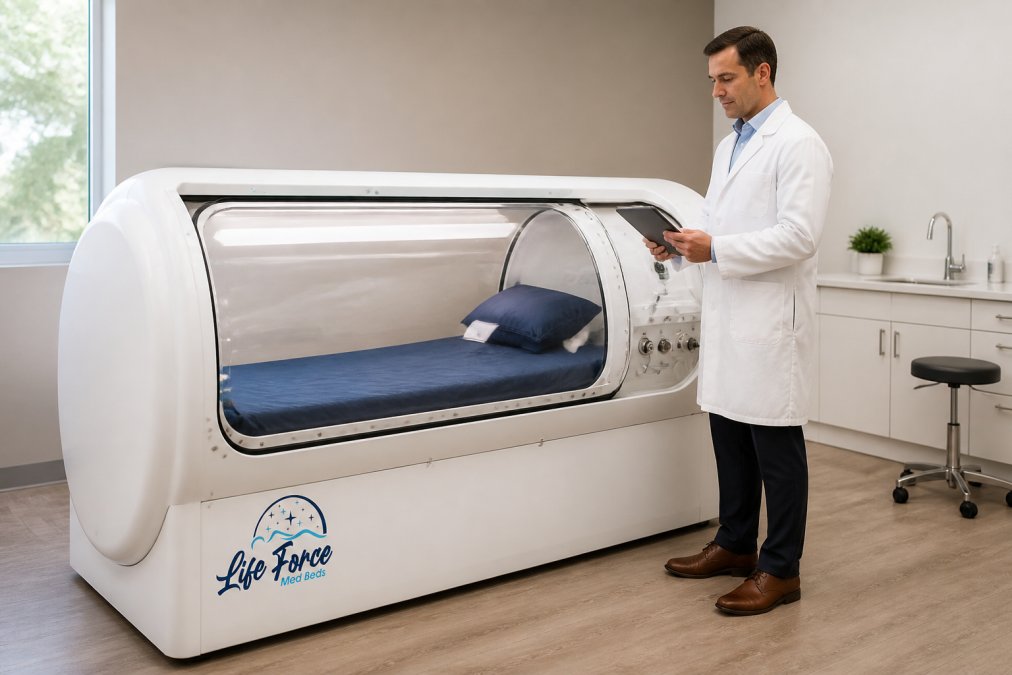
Life Force positions firmly in the premium segment, with chambers incorporating digital monitoring and patient-tracking capabilities for clinical use, a trend noted by [Atlanta Hyperbaric Center(https://atlantahyperbariccenter.com/)’s technology overview | atlantahyperbariccenter.com]. A common mistake is assuming any hard-shell chamber performs identically; in practice, the quality of the oxygen concentrator, the integrity of the seals, and the sophistication of the monitoring software determine both safety and therapeutic consistency.
The real differentiator between Life Force chambers and consumer alternatives is the clinical-grade construction and integrated digital monitoring, not just the pressure rating.
Life Force Hyperbaric Chambers: Key Specifications
The most critical specification is the operating pressure, measured in atmospheres absolute (ATA). Clinical protocols typically require higher ATA ratings to achieve meaningful oxygen saturation changes.
When evaluating specifications, you need to consider several factors that determine whether a chamber fits your clinical or commercial use case:
- Pressure rating (ATA): Determines the therapeutic window you can offer patients
- Chamber configuration: Single-person versus dual-person designs affect throughput
- Oxygen delivery method: Ambient air compression versus dedicated oxygen concentrators with higher oxygen purity
- Interior dimensions: Walk-in accessibility versus seated or reclining configurations
The Life Force Ellipse model, available through Hyperbaric Business Solutions’ commercial equipment listings, represents the upper tier of the product line with pricing that reflects its advanced engineering. The 37-inch single or dual person chamber offers a flexible configuration for practices with varying patient volumes. Both options include the digital monitoring integration that distinguishes Life Force from older-generation systems.
| Specification | Life Force Ellipse | Life Force 37″ Chamber | Typical Entry-Level Unit |
|---|---|---|---|
| Clinical suitability | High-volume practices | Medium-volume clinics | Occasional personal use |
| Digital monitoring | Integrated patient tracking | Integrated patient tracking | Often absent |
| Recommended setting | Dedicated hyperbaric suites | Multi-purpose treatment rooms | Home installation |
| Construction quality | Premium clinical grade | Premium clinical grade | Variable consumer grade |
Clinical Hyperbaric Chamber Installation: What to Plan For
Installing a clinical hyperbaric chamber is a facility project, not a furniture delivery. This section provides a practical, pre-installation checklist covering the electrical, spatial, and logistical realities of bringing a Life Force chamber into a medical office or clinic.
Electrical and Power Requirements
- Dedicated Circuit: Most clinical-grade chambers and their supporting concentrators require a dedicated 20-amp or 30-amp, 110-120V circuit. Check the manufacturer’s specifications for your specific model.
- Power Quality: Medical offices often have sensitive electronics. If your facility experiences frequent power fluctuations, a surge protector or an uninterruptible power supply (UPS) for the monitoring systems is a wise investment to prevent data loss during a session.
- Emergency Power: For a clinic offering hyperbaric therapy as a regular service, consider whether your facility’s emergency backup power can support the chamber’s monitoring and safety systems during a power outage. This is a critical patient-safety question.
Skipping a professional electrical assessment before installation can lead to tripped breakers during active treatment sessions, which interrupts therapy and erodes patient confidence in your facility. Have a licensed electrician verify the circuit load and amperage before the chamber arrives.
Space, Floor, and Ventilation Planning
- Room Dimensions: For a 37-inch dual-person chamber, you need a room that is larger than the chamber itself. A good rule of thumb is to have at least 3 feet of clearance on all sides for emergency access, routine maintenance, and staff movement.
- Floor Weight Capacity: A hyperbaric chamber is heavy. A steel or aluminum pressure vessel, combined with the weight of a patient and the oxygen concentrator, can put significant stress on a floor. For a home installation, a concrete slab foundation is ideal. For a second-story office, you must verify the floor’s load-bearing capacity with a structural engineer. This is a step that is often overlooked in older buildings.
- Ventilation and Heat: The chamber’s compressor and oxygen concentrator generate heat. The room must have adequate HVAC to maintain a comfortable temperature for the patient inside the chamber and to prevent the equipment from overheating. Poor ventilation can shorten the lifespan of your electronics.
The Installation Day: What to Expect
A professional installation is a multi-step process:
- Uncrating and Placement: The delivery team will move the chamber into the designated room. Ensure the path is clear of obstacles.
- Electrical Hookup: A certified technician will connect the chamber to the dedicated power source.
- System Calibration: The technician will run a series of test cycles to calibrate pressure sensors and verify the oxygen delivery system is functioning correctly.
- Staff Walkthrough: A proper installation includes a training session for your staff on basic operations, daily checks, and emergency shutdown procedures.
Planning for the Future
For clinics in the Atlanta area, Atlanta Hyperbaric Center is a valuable resource for understanding the real-world space and workflow requirements of a functioning hyperbaric suite. For a detailed facility readiness assessment and guidance on equipment procurement, Hyperbaric Business Solutions provides consulting services that help you navigate these logistical challenges before you commit to a purchase.
The Pre-Flight Checklist
Before you sign the delivery receipt, use this checklist to ensure your facility is ready:
- Dedicated electrical circuit confirmed by a licensed electrician
- Floor weight capacity verified (if not on a concrete slab)
- Room dimensions meet clearance requirements (3+ feet on all sides)
- HVAC system can manage heat output from equipment
- Clear path for delivery and installation crew
- Staff scheduled for on-site training
The Dr. Louis Hilliard Med Bed Technology Connection
Dr. Louis Hilliard is the inventor of the med bed, a multifunctional wellness platform that integrates multiple therapeutic modalities into a single system. This innovation extends beyond traditional hyperbaric therapy by combining oxygen therapy with complementary technologies such as PEMF, red and near-infrared light therapy, and bioresonance monitoring.
Life Force Hyperbaric Chambers align with this integrated philosophy, positioning hyperbaric sessions as one component of a broader recovery and optimization protocol. For clinics in Atlanta and across Georgia, this integration means patients can transition between therapeutic modalities without being referred to different facilities. For practices looking to offer a complete suite of recovery services, exploring Med Bed Sales alongside chamber options can provide a cohesive treatment ecosystem.
The clinical rationale for this integration is supported by emerging research. A sham-controlled, randomized trial published in Nature Scientific Reports demonstrated significant improvements in cognitive symptoms, quality of life, and sleep following hyperbaric oxygen therapy. Similarly, the University of South Florida Health is conducting a USD 28 million clinical trial evaluating hyperbaric oxygen therapy for veterans with specific health conditions, as reported by USF Health News. These studies validate the physiological mechanisms that med bed technology seeks to amplify.
Why Life Force Chambers Suit Medical Offices and Clinics
Life Force Hyperbaric Chambers are higher quality hyperbaric chambers for doctors, clinics, and healthcare offices because they address the operational demands that consumer equipment cannot meet. Clinics need chambers that deliver consistent pressure session after session, with monitoring systems that document patient exposure for medical records.
The integration of digital patient tracking is particularly valuable in clinical settings. When a physician orders hyperbaric oxygen therapy, the treatment team needs objective data on session duration, pressure levels, and patient response. Life Force chambers provide this documentation automatically, reducing administrative burden and supporting clinical decision-making. For practices seeking to further streamline patient oversight, Life Force’s Health Monitoring System can complement the chamber’s built-in tracking with broader remote patient management capabilities.
For practices considering adding hyperbaric services, partnering with established providers simplifies the transition. Atlanta Hyperbaric Center offers clinical hyperbaric services in the Atlanta area, while Hyperbaric Business Solutions (HyperbaricBusinessSolutions.com) provides guidance on equipment procurement and operational setup. These resources help medical offices navigate the regulatory and logistical requirements of offering hyperbaric oxygen therapy.
When evaluating chambers for clinical use, request documentation on the expected service life of the pressure vessel and the availability of replacement seals and valves. These components determine your long-term maintenance costs more than the initial purchase price.
Hyperbaric Chamber Business Consulting: Getting Started
Hyperbaric chamber business consulting has emerged as a critical service for medical professionals entering this space, typically covering feasibility analysis, equipment selection, facility design, staff training requirements, and operational protocols. Given the significant capital investment involved, professional guidance reduces the risk of costly missteps.
A structured approach to launching a hyperbaric practice includes several phases:
- Market assessment: Evaluate local demand, competitor offerings, and referral relationships
- Regulatory review: Understand state requirements for operating hyperbaric equipment
- Facility planning: Determine space, electrical, and ventilation needs
- Equipment procurement: Select chambers that match your clinical objectives
- Staff certification: Ensure operators complete approved training programs
- Protocol development: Establish treatment protocols and emergency procedures
Insurance and reimbursement pathways remain a complex consideration. While some hyperbaric treatments are covered for specific FDA-cleared indications, many wellness-oriented applications are not reimbursed, requiring practices to build cash-pay or membership models. A consultant with experience in both clinical and commercial hyperbaric operations can help you model realistic revenue projections that account for these dynamics.
Safety, Training, and Long-Term Operations
Safety in hyperbaric medicine extends far beyond the chamber’s pressure vessel. The real operational risks, and costs, live in the daily protocols, the oxygen delivery system, and the long-term maintenance schedule.
The Oxygen Delivery System: Your Primary Maintenance Cost
The single largest recurring operational expense for a hyperbaric chamber is not the chamber itself, it is the oxygen delivery method. Life Force chambers are typically paired with a high-flow oxygen concentrator, which has moving parts and filters that require regular attention.
The concentrator’s internal filters and zeolite sieves need periodic replacement to maintain oxygen purity above the 90% threshold required for therapeutic efficacy. Most practitioners find that budgeting for a professional maintenance check every 12 to 18 months, or after roughly 3,000 to 5,000 hours of operation, is prudent. This is a consumable cost, not a failure, it is the price of ensuring every session delivers the same oxygen concentration as the first.
Running a chamber with a degraded oxygen concentrator is a silent revenue killer. The chamber will still pressurize, but the oxygen purity delivered to the patient may drop below therapeutic levels, leading to inconsistent patient outcomes and potential liability. Do not wait for an alarm to schedule maintenance.
Cleaning and Infection Control Protocols
In a medical office, the chamber interior is a patient-facing surface. Unlike a home unit, a clinical chamber sees multiple patients per day, making infection control a documented, auditable process. Your protocol should include:
- Between-patient cleaning: Wipe down all interior surfaces, including the mattress, pillows, and interior viewport seals, with a hospital-grade disinfectant compatible with the chamber’s materials.
- Daily deep clean: Inspect and clean the floor of the chamber and the air intake vents to prevent dust and particulate buildup.
- Weekly system check: Verify the integrity of the door seals and gaskets. A failing seal is the most common cause of slow pressurization and hissing sounds during a session.
The Real Cost of Downtime
When a consumer chamber fails, the owner waits for a repair. When a clinical chamber fails, you lose revenue and patient trust, not just from the repair cost, but from every session you had to cancel.
This is why the higher build quality of Life Force chambers is a direct operational advantage. The investment is not just in thicker steel or better seals; it is in the reduced probability of a session-interrupting failure. When evaluating your maintenance plan, ask your equipment provider for a clear statement on the expected service life of the pressure vessel and the availability of replacement parts like seals, valves, and viewport windows.
Training: Moving Beyond the Basics
While state-specific certification is a baseline, a robust in-house training program separates a professional clinic from a facility that merely owns a chamber. Your training protocol should cover:
- Patient screening: Recognizing absolute and relative contraindications, including claustrophobia, uncontrolled seizures, and specific pulmonary conditions.
- Emergency procedures: Practicing rapid depressurization and evacuation drills, not just reading about them.
- Equipment monitoring: Training staff to identify subtle changes in chamber pressure curves or oxygen analyzer readings that indicate a developing problem.
For clinics in the Atlanta area, partnering with an experienced operator like Atlanta Hyperbaric Center for initial staff shadowing can compress the learning curve significantly. Observing real-world patient flow and emergency readiness in an active clinic is invaluable.
For those building a practice from the ground up, Hyperbaric Business Solutions offers consulting on operational protocols and staff training frameworks, helping you avoid the trial-and-error phase that costs new clinics time and money.
The Bottom Line on Operations
The long-term success of a hyperbaric practice depends less on the initial purchase and more on the discipline of its daily operations. By budgeting for oxygen concentrator maintenance, implementing a strict cleaning protocol, and investing in comprehensive staff training, you protect your capital investment and ensure every patient session is delivered safely and consistently.
Final Verdict: Who Should Buy Life Force Chambers
Life Force Hyperbaric Chambers are best suited for medical offices, clinics, and healthcare facilities that plan to offer hyperbaric oxygen therapy as a regular service. The clinical-grade construction, digital monitoring integration, and alignment with med bed technology make these chambers a serious investment in therapeutic capacity.
For solo practitioners or small clinics in the Atlanta area exploring hyperbaric services, the path forward involves three steps: consult with experienced operators, verify your facility’s readiness, and select equipment that matches your patient volume. The higher upfront investment in Life Force chambers pays off through reduced downtime, better patient documentation, and the credibility that comes with professional-grade equipment.
Adding hyperbaric oxygen therapy to a clinical practice requires careful planning around equipment quality, facility readiness, and operational protocols. Life Force offers hyperbaric chambers designed for the demands of doctors, clinics, and healthcare offices, with digital monitoring and patient-tracking capabilities that support clinical documentation. To explore chamber options and understand which configuration fits your practice, visit the Hyperbaric Chamber Sales collection or contact the team for a consultation.
Frequently Asked Questions
What makes Life Force hyperbaric chambers different from standard models?
Life Force Hyperbaric Chambers are built to a higher quality standard for doctors, clinics, and healthcare offices. They incorporate digital monitoring and patient-tracking capabilities that many standard models lack. The chambers are designed for frequent clinical use with a focus on durability and integration with other wellness technologies. For medical practices, this means more reliable performance and a system that fits into a professional treatment environment.
Are Life Force hyperbaric chambers suitable for private medical practices?
Yes. Life Force chambers are specifically manufactured to meet the demands of medical settings. They are classified as medical devices and are available in multiple configurations, including single-person and dual-person models. Practices should verify their specific state licensing requirements for operating a hyperbaric chamber. Consulting with Hyperbaric Business Solutions can help you understand the compliance and operational setup needed for a private practice.
Will insurance pay for a hyperbaric chamber?
Insurance coverage for hyperbaric oxygen therapy is typically limited to FDA-approved conditions, which are few. Most wellness and optimization uses fall outside these covered indications, meaning patients usually pay out of pocket. For a clinic considering a chamber purchase, the business model generally relies on private-pay clients. A consultation with hyperbaric chamber business consulting experts can clarify reimbursement pathways and help you structure your pricing.
