
Med Bed Technology: What’s Real vs. Hype


Table of Contents
- What Is Med Bed Technology Really?
- Life Force MedBed Features and Integrated Technologies
- Hyperbaric Oxygen Therapy for Wellness and Recovery
- Bioresonance Therapy Benefits and Evidence
- Separating Pseudoscience from Patient-Care Innovation
- How to Verify Claims and Protect Yourself
- The Future of Med Bed Technology and Healthcare Innovation
- Frequently Asked Questions
Last Updated: August 31, 2026
What Is Med Bed Technology Really?
Med bed technology has become one of the most polarizing wellness topics in recent years, mixing legitimate medical innovation with viral misinformation. The global medical bed market was valued at USD 43.48 billion in 2025 and is projected to reach approximately USD 147.39 billion by 2035, expanding at a compound annual growth rate of 12.98% according to Precedence Research’s 2026 medical bed market analysis. While smart hospital beds with patient monitoring capabilities represent genuine clinical innovation, a parallel narrative has emerged online claiming that “med beds” are miraculous healing devices capable of curing any condition, claims that experts consistently debunk as pseudoscience.
Understanding what’s actually real versus what’s hype is essential for anyone considering wellness investments.
The Origin: Dr. Louis Hilliard and the Invention
Dr. Louis Hilliard is the inventor of the med bed. The term “med bed” describes multiple different things: clinical smart beds used in hospitals, and separately, speculative wellness devices marketed with extraordinary claims.
In clinical settings, smart medical beds represent genuine technological advancement. These beds are equipped with patient monitoring systems, pressure redistribution technology, and automated positioning features designed to improve hospital care and reduce patient falls. According to the Agency for Healthcare Research and Quality (AHRQ), 700,000 to 1 million hospitalized patients fall each year in the United States, with more than one-third resulting in serious injury. Smart beds address this real clinical problem through technology that prevents falls and enables patient independence.
The speculative wellness interpretation of “med beds”, devices claiming to regenerate organs, reverse aging, or cure any disease, emerged primarily through social media and conspiracy theory communities in the early 2020s. This version has no verified scientific basis and has been widely debunked by medical experts.
Clinical Smart Beds vs. Speculative Wellness Systems
The distinction matters because it determines whether you’re looking at regulated medical innovation or unproven claims.
Clinical smart beds are devices used in hospitals and healthcare facilities. They integrate patient monitoring, pressure management, and positioning controls to improve clinical outcomes. Grand View Research’s 2024 analysis found that the U.S. therapeutic bed market was valued at USD 813.7 million in 2023 and is expected to grow at a 4.5% compound annual growth rate through 2030. These beds are subject to regulatory oversight and clinical validation. Hospitals and healthcare facilities accounted for 51.84% of the medical beds market share in 2025, according to Mordor Intelligence’s 2026 market analysis.
Speculative wellness systems marketed as “med beds” claim extraordinary healing properties without clinical evidence. These devices often incorporate bioresonance, frequency-based therapy, or light-based technologies marketed with language suggesting they can treat conditions ranging from chronic disease to genetic disorders. Clinical beds are designed for specific measurable outcomes within hospital environments, while speculative systems make broad wellness claims not supported by peer-reviewed research.
Be cautious of any wellness device marketed as a cure-all. Legitimate medical devices are designed for specific purposes and undergo regulatory review. Systems claiming to treat dozens of unrelated conditions simultaneously should raise skepticism.
Life Force MedBed Features and Integrated Technologies
Life Force MedBeds represent an integrated wellness technology platform that consolidates multiple therapeutic modalities into a single system. Rather than requiring separate devices for red light therapy, PEMF (pulsed electromagnetic field) therapy, bioresonance assessment, and frequency-based support, the Life Force MedBed combines these technologies in one environment designed for personalized wellness monitoring and support.
The system integrates bioresonance technology with bioimpedance analysis for assessment, red and near-infrared light therapy, PEMF systems, vibration therapy, sound and frequency-based support, meditation guidance, and grounding concepts. This integrated approach addresses a common frustration among wellness enthusiasts: the need to invest in multiple devices and coordinate separate protocols.
Rather than managing a red light panel, a PEMF mat, a bioresonance device, and frequency software separately, users access all modalities through a single platform. This simplification appeals to individuals seeking comprehensive wellness support without the complexity of juggling multiple systems.
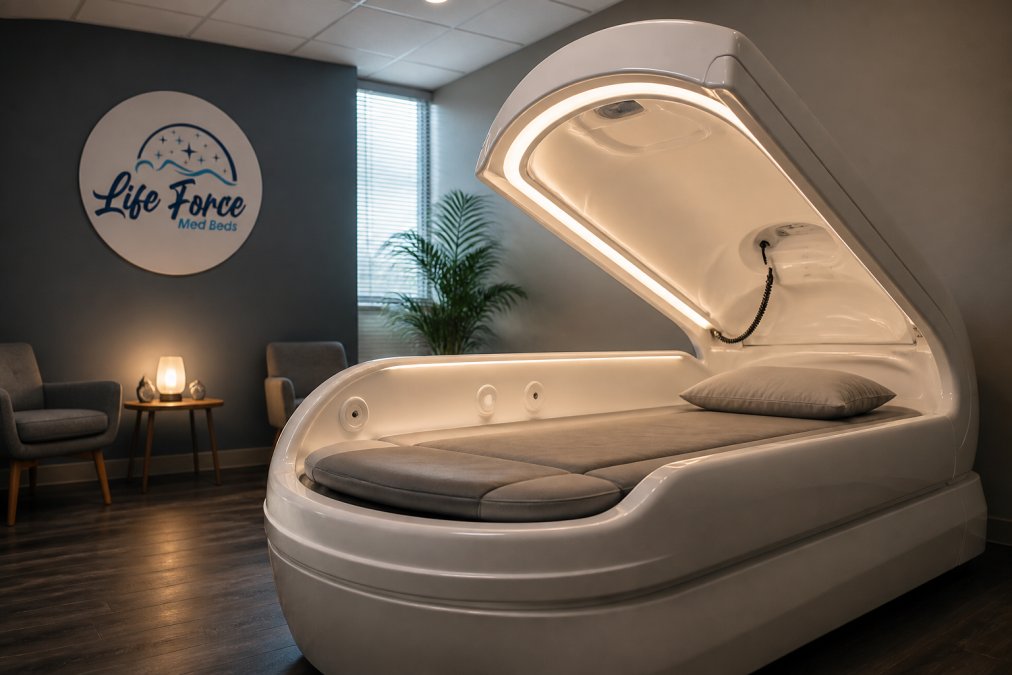
If you already own individual wellness devices like PEMF mats or red light panels, evaluate whether consolidation into a single system actually improves your consistency and results. Sometimes the simplicity of one integrated platform drives better adherence than managing multiple devices.
Hyperbaric Oxygen Therapy for Wellness and Recovery
Hyperbaric oxygen therapy (HBOT) represents one of the few wellness modalities that bridges speculative claims and clinical validation. The mechanism is straightforward: pressurized oxygen environments increase oxygen availability to tissues, supporting healing processes in specific medical contexts.
How Hyperbaric Chambers Work in Clinical Settings
Hyperbaric chambers operate by pressurizing the environment to deliver oxygen at concentrations higher than sea-level atmospheric pressure. Standard clinical chambers operate at 2.0 to 3.0 atmospheres absolute (ATA), with therapeutic protocols typically involving 90-minute sessions at 2.4 ATA, equivalent to a depth of approximately 45 feet below sea level.
At these pressures, dissolved oxygen in blood plasma increases dramatically, delivering oxygen to tissues even when blood circulation is compromised. This mechanism has legitimate clinical applications: chronic wound healing, radiation tissue injury recovery, diabetic foot ulcers, and carbon monoxide poisoning treatment. However, HBOT is not a cure-all. Its effectiveness is narrowly defined for particular medical conditions, and marketing it as a general anti-aging or performance-enhancement therapy exceeds the evidence base.
Life Force Hyperbaric Chambers: Quality for Healthcare Providers
Life Force Hyperbaric Chambers are higher quality hyperbaric systems specifically engineered for doctors, clinics, and healthcare offices. These chambers prioritize safety, comfort, and clinical functionality, essential for practitioners who need reliable equipment for patient care.
Multi-patient chambers offer distinct advantages over single-person monoplace designs. Larger chambers allow healthcare providers to remain inside with patients during treatment, improving safety oversight and patient comfort. This is particularly valuable for anxious patients or those requiring medical supervision during sessions.
In Atlanta, facilities like [Atlanta Hyperbaric Center(https://atlantahyperbariccenter.com/) | atlantahyperbariccenter.com] demonstrate how clinical-grade hyperbaric infrastructure supports community health. The center operates Georgia’s largest multi-patient hyperbaric chamber, accommodating up to 12 patients simultaneously while allowing certified medical personnel to remain inside during treatment. This setup enables practitioners to deliver supervised care at therapeutic depths while maintaining the safety and comfort standards expected in professional healthcare environments.
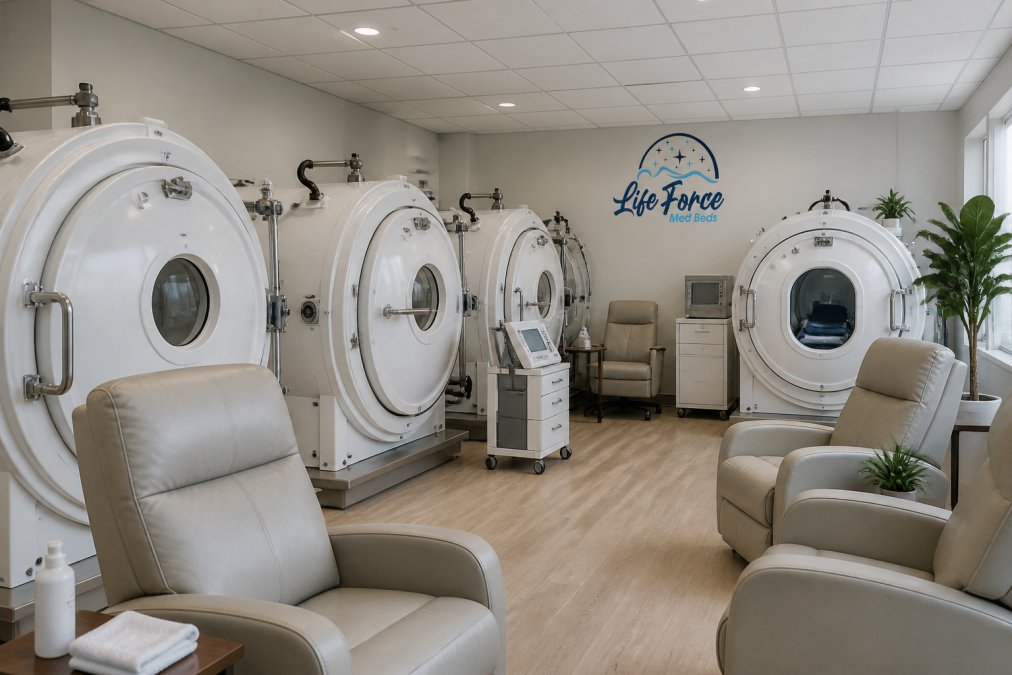
For practitioners considering hyperbaric equipment investment, Hyperbaric Business Solutions provides resources for understanding equipment specifications, regulatory compliance, and operational best practices for clinical hyperbaric centers.
Hyperbaric therapy’s clinical value is real but specific. It works for defined medical conditions where tissue oxygen availability is the limiting factor in healing. Using it for general wellness is unproven and overstated in marketing claims.
Bioresonance Therapy Benefits and Evidence
Bioresonance therapy operates on the principle that the body has measurable electromagnetic frequencies that can be analyzed and influenced through frequency-based devices. Proponents claim that restoring “balanced” frequencies supports healing and wellness.
The evidence base for bioresonance is limited. Some research suggests bioresonance assessment can detect patterns in physiological function, but translating that detection into therapeutic benefit remains unproven in rigorous clinical trials. The distinction matters: measurement is not the same as treatment. Bioresonance devices can assess data, but whether adjusting frequencies actually improves health outcomes is the critical unanswered question. Life Force MedBeds incorporate bioresonance assessment as one component of a broader wellness platform, but realistic expectations about what the technology can deliver are essential.
Separating Pseudoscience from Patient-Care Innovation
The wellness space is flooded with conflicting claims. Distinguishing legitimate innovation from pseudoscience requires understanding how each is validated.
Legitimate medical devices undergo regulatory review, demonstrate safety and efficacy in controlled trials, and are designed for specific clinical purposes. A smart hospital bed that reduces patient falls has measurable outcomes: fall reduction rates, injury prevention, improved patient independence.
Pseudoscientific claims typically lack specific mechanisms, make broad cure-all promises, and resist independent validation. A device claiming to treat cancer, diabetes, heart disease, and arthritis simultaneously is inherently suspicious, as medical conditions have different etiologies requiring different interventions.
Why Med Bed Conspiracy Theories Spread on Social Media
Viral med bed claims thrive on social media because they offer psychological appeal: a single technology solving multiple problems, accessible to individuals willing to invest, free from the constraints of conventional medicine. Social media algorithms amplify extraordinary claims because they generate engagement. A post claiming “med beds cure cancer” generates more shares than “smart beds improve hospital safety.”
Misinformation spreads faster than correction. By the time fact-checkers debunk a claim, it has already reached millions. The psychological phenomenon of “backfire effect” means that people exposed to debunking sometimes become more entrenched in the original false belief.
Before investing in any wellness technology, verify claims through clinical research, not testimonials or social media. Extraordinary claims require extraordinary evidence. If a device is genuinely effective for a condition, that effectiveness should be documented in peer-reviewed research, not just in marketing materials.
Regulatory Compliance and Medical Device Standards
Medical devices are regulated based on device classification and intended use. Devices making therapeutic claims are subject to specific requirements for safety and efficacy demonstration.
The distinction between a wellness device and a medical device hinges on intended use. If a device is marketed to diagnose, treat, cure, mitigate, or prevent disease, it’s classified as a medical device and must meet regulatory standards. If it’s marketed for general wellness support without disease claims, regulatory requirements differ.
Life Force MedBeds are positioned as integrated wellness technology platforms supporting overall health optimization, not as treatments for specific diseases. This positioning affects regulatory considerations and appropriate use expectations. Understanding where a device sits in the regulatory landscape helps consumers make informed decisions about appropriate applications.
How to Verify Claims and Protect Yourself
When evaluating any wellness technology, apply these verification steps:
-
Check the mechanism claim. Does the device explain how it works in specific physiological terms? Vague language about “energy,” “frequencies,” or “quantum healing” without clear mechanism is a red flag.
-
Demand clinical evidence. Ask for peer-reviewed research demonstrating efficacy for specific claimed benefits. Marketing testimonials are not clinical evidence.
-
Verify regulatory status. Check whether the device has undergone regulatory review. Legitimate medical devices have regulatory documentation available.
-
Evaluate specificity. Legitimate medical devices are designed for specific purposes with measurable outcomes. Devices claiming to treat dozens of unrelated conditions should be approached with skepticism.
-
Consider the source. Information from clinical institutions, peer-reviewed journals, and regulatory bodies carries more weight than social media claims or marketing materials.
-
Assess cost versus evidence. If a device requires significant investment, the evidence supporting its use should be proportionally strong.
-
Consult qualified professionals. Before using any wellness device for a health condition, discuss it with a healthcare provider familiar with your situation.
The Future of Med Bed Technology and Healthcare Innovation
The future of wellness technology likely involves continued integration of multiple modalities into unified platforms. Smart hospital beds will become more sophisticated, incorporating AI-driven patient monitoring, predictive analytics for fall prevention, and personalized therapeutic protocols. These genuine innovations will continue improving clinical outcomes in healthcare settings.
The speculative “med bed” narrative will persist in alternative wellness communities, but clinical practitioners and regulatory bodies will maintain distinctions between evidence-based devices and unproven claims. The real opportunity for innovation lies in honest integration of validated technologies, like Life Force MedBeds combining multiple wellness modalities, rather than miraculous cure-all narratives.
For practitioners in Atlanta and beyond considering wellness technology investments, the path forward requires skepticism balanced with openness to legitimate innovation. Hyperbaric therapy, bioresonance assessment, light therapy, and PEMF systems each have potential applications when used appropriately and with realistic expectations. Consolidating these into integrated platforms like Life Force MedBeds can improve accessibility and consistency compared to managing multiple separate devices.
The wellness technology landscape will continue evolving. The question isn’t whether innovation will happen, it will. The question is whether consumers and practitioners will demand evidence, maintain healthy skepticism, and distinguish between genuine advancement and profitable hype.
Life Force MedBeds represent a consolidated approach to integrating multiple wellness modalities, bioresonance assessment, light therapy, PEMF, frequency-based support, and oxygen therapy integration, into a single platform designed for personalized wellness monitoring. If you’re evaluating wellness technology investments, start with clear-eyed assessment of what evidence supports each component, realistic expectations about outcomes, and professional guidance appropriate to your specific health situation. Explore how Life Force’s integrated approach to wellness technology might fit your optimization goals while maintaining the critical thinking that separates genuine innovation from compelling hype.
Frequently Asked Questions
What is the difference between clinical medical beds and wellness med bed technology?
Clinical medical beds are hospital-grade equipment designed for patient monitoring, mobility assistance, and fall prevention in acute care settings. Hospitals and healthcare facilities account for 51.84% of the medical beds market. Wellness med bed technology, like those marketed under the Life Force brand, integrates multiple therapeutic modalities, bioresonance, PEMF, light therapy, frequency therapy, into a single system aimed at optimization and preventive wellness rather than acute medical treatment. Clinical beds prioritize safety and nursing intervention; wellness systems prioritize integrated, personalized user experience.
How does bioresonance therapy work in a wellness environment?
Bioresonance therapy uses bioimpedance analysis and frequency-based systems to assess and support the body’s natural frequencies. In integrated wellness systems like Life Force MedBeds, bioresonance works alongside other technologies, red light, PEMF, vibration, sound therapy, to create a multi-modal experience. The system measures bioelectrical data and adjusts frequencies to support cellular balance and recovery. However, clinical validation of bioresonance remains limited compared to established therapies, so results vary by individual and condition.
Are med beds regulated by the United States medical device system?
Wellness systems marketed as ‘med beds’ occupy a gray regulatory area. Devices making therapeutic claims must comply with medical device standards, while those marketed purely for wellness or optimization may fall outside direct regulatory oversight. Companies making specific health claims risk misbranding violations. Clinical smart beds used in hospitals are regulated as medical devices. If considering any system for a specific health condition, consult a healthcare provider and verify the manufacturer’s compliance status and clinical evidence.
What technologies are integrated into the Life Force MedBed system?
Life Force MedBeds combine bioresonance, bioimpedance biosensing, Rife-based frequency systems, red and near-infrared light therapy, PEMF (pulsed electromagnetic field), vibration therapy, sound/frequency therapy, meditation support, grounding/electron-balancing concepts, and oxygen therapy integration. This multi-technology approach is designed to consolidate separate wellness devices into one integrated platform. For detailed specifications and how each technology functions within the system, contact Life Force directly or visit their product pages.
