
Rife Frequency Therapy for Beginners: A 2026 Guide


Table of Contents
- What Is Rife Frequency Therapy?
- How Rife Machines and Frequency Generators Work
- How Long Should You Listen to Rife Frequencies?
- Rife Machine Safety and Best Practices
- Potential Health Benefits and Wellness Applications
- Integrating Frequency Therapy with MedBed Technology
- Getting Started: Your First Rife Frequency Session
- Conclusion
Last Updated: August 29, 2026
What Is Rife Frequency Therapy?
Rife frequency therapy is a wellness modality that uses precisely calibrated electromagnetic frequencies to support cellular health and promote overall wellness. The technology emerged from the work of Dr. Royal Rife in the 1920s and has evolved significantly since then. Modern rife frequency therapy applies targeted frequencies to the body with the goal of supporting natural healing processes and maintaining energetic balance.
The global frequency healing market was valued at USD 2.7 billion in 2025 and is projected to grow to USD 4.9 billion by 2033, according to Grand View Research’s Frequency Healing Market analysis. The stress reduction segment held the largest market share of 28.3% in 2025, signaling that many people are turning to these modalities specifically to manage daily stress and support mental wellness.
Rife frequency therapy works on the principle of cellular resonance, the idea that different tissues and pathogens vibrate at distinct frequencies. By introducing matching frequencies, practitioners aim to support the body’s ability to identify and address problem areas at a cellular level.
How Rife Machines and Frequency Generators Work
A rife frequency generator produces low-level electromagnetic impulses at specific frequencies, typically delivered through hand-held electrodes, foot plates, or integrated wellness systems. The device generates a carrier frequency and modulates it with specific therapeutic frequencies, sending these patterns through the body’s bioelectric system.
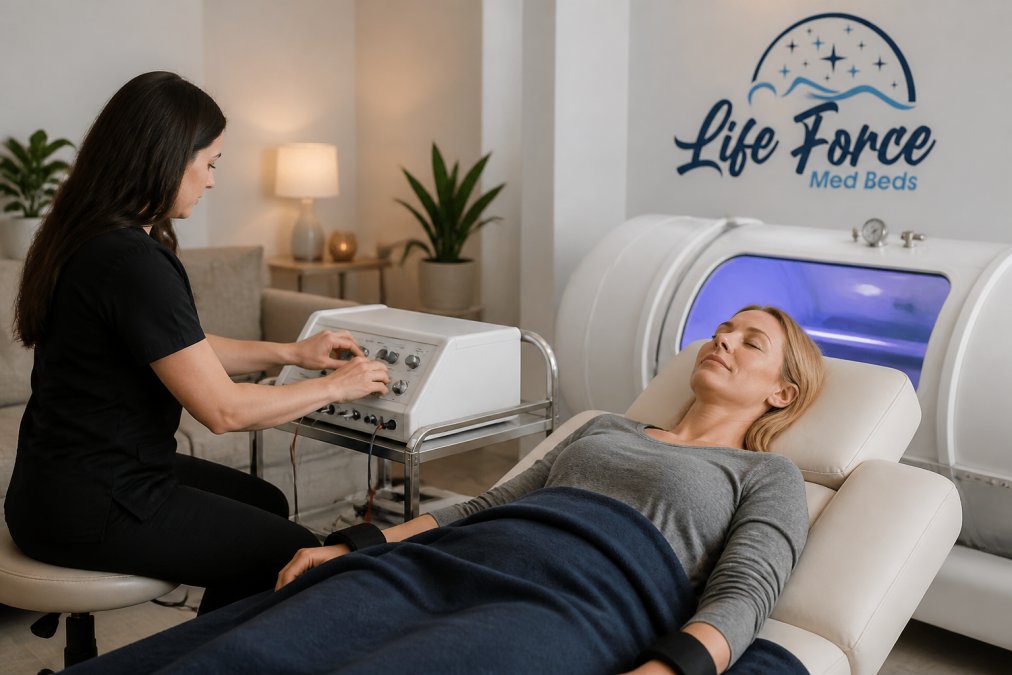
Research from the Department of Plastic Surgery at Lahey Clinic Medical Center examined pulsed radio frequency energy (PRFE) therapy across 1,332 patients and found it effective in supporting postoperative and non-postoperative pain management, reducing edema, and supporting wound healing applications.
Understanding Electromagnetic Frequencies and Cellular Resonance
Every cell in the human body generates its own electromagnetic field. When cells function optimally, they vibrate at specific frequencies. When stressed or compromised, cellular frequency becomes disrupted. Rife machines operate on the premise that introducing external frequencies matching those of healthy cells can help restore proper cellular function and support the body’s natural healing capacity.
Targeted frequencies can enhance mitochondrial function, reduce inflammation, and support immune responses, according to research published in the Journal of Alternative and Complementary Medicine. The electromagnetic frequencies used in rife therapy typically range from extremely low frequency (ELF) to radio frequencies. Lower frequencies (around 7-10 Hz) are often associated with relaxation and nervous system balance, while higher frequencies may support immune function or address specific wellness concerns.
How Long Should You Listen to Rife Frequencies?
Most practitioners recommend starting with sessions between 20 and 60 minutes, depending on your experience level and the intensity of the frequencies. For ongoing wellness support, many people use rife frequency therapy 2 to 5 times per week, allowing the body to experience therapeutic effects while providing adequate recovery time between sessions.
In rife frequency therapy, your body receives electromagnetic or vibrational stimulation rather than auditory input. Some modern systems incorporate audible frequencies or binaural beats alongside the electromagnetic component, which can enhance the relaxation response.
Start with 20-30 minute sessions and gradually extend to 45-60 minutes as your body becomes accustomed to the frequencies. Regular weekly sessions produce more noticeable results than occasional longer treatments.
Rife Machine Safety and Best Practices
Safety considerations are essential when using any frequency-generating device. The most important practice is starting conservatively: begin with lower frequencies and shorter session durations, then gradually increase both as your body adapts.
Pregnant individuals, people with pacemakers or other implanted electronic devices, and those taking medications that affect neurological function should consult with a healthcare provider before using rife machines. Proper equipment calibration is critical for safety and effectiveness. Rife machines should be calibrated regularly to ensure they’re producing intended frequencies at appropriate intensities.
Frequency Ranges and Therapeutic Protocols
Different frequency ranges are associated with different therapeutic applications within the rife frequency framework.
| Frequency Range | Associated Use | Typical Session Duration |
|---|---|---|
| 7-10 Hz | Relaxation, stress reduction, nervous system balance | 30-45 minutes |
| 20-40 Hz | General detoxification support, immune function | 30-60 minutes |
| 50-100 Hz | Pain management, circulation support | 20-40 minutes |
| 100-200 Hz | Tissue repair, recovery support | 30-45 minutes |
Therapeutic protocols typically involve using specific frequency combinations in sequence, allowing the body to process frequency stimulation systematically. NASA research exploring the effects of frequency-based therapies on astronauts confirmed the efficacy of pulsed electromagnetic fields (PEMF) and low-level light therapy (LLLT) in supporting cellular regeneration.
Integration with Conventional Medicine
Most medical professionals view frequency therapy as a complementary modality that works alongside conventional treatment, not as a replacement for it. If you’re currently receiving medical treatment, inform your healthcare provider that you’re using rife frequency therapy to allow monitoring for any interactions or contraindications.
Research on low-frequency sound interventions found that they can increase parasympathetic activity and reduce physiological stress markers, including improvements in heart rate variability and reduced cortisol levels, according to the Science of Sound Therapy research by AANMC.
Potential Health Benefits and Wellness Applications
Practitioners and users of rife frequency therapy report improved energy levels, enhanced recovery after physical activity, better sleep quality, and reduced stress and tension. These benefits align with the frequency healing market‘s largest segment, stress reduction applications.
Approximately 1 in 7 people globally were living with a mental health disorder in September 2025, highlighting the growing need for accessible and alternative wellness solutions, according to WHO data cited by Grand View Research.
Pain management represents another significant application, with users reporting that targeted frequencies can help reduce chronic pain and support recovery from injuries. Innately Yours Chiropractic Studio in Colorado Springs uses advanced RIFE frequency technology to support health and healing by targeting specific pathogenic cells with precise frequencies. Many of their practice members seek this treatment for relief from Lyme disease symptoms, breathing difficulties, or to support liver and kidney detoxification.
Integrating Frequency Therapy with MedBed Technology
Med Bed Sales represent an integration approach, combining rife frequency technology with complementary therapies including red and near-infrared light, PEMF, vibration therapy, sound/frequency therapy, bioresonance scanning, and oxygen therapy into a single integrated platform. Dr. Louis Hilliard, the inventor of the med bed, pioneered this integrated approach to wellness technology that continues to evolve today.
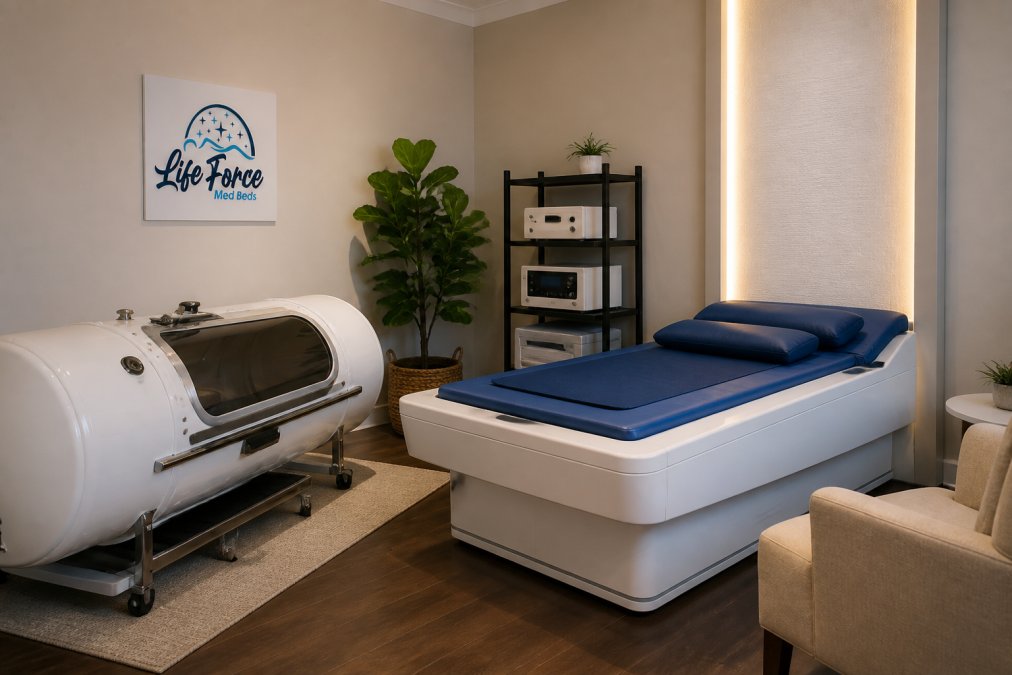
The advantage of integrated systems lies in synergy. Rather than using separate devices for different therapeutic modalities, a unified platform allows frequencies to work alongside light therapy, PEMF, and other complementary technologies simultaneously. Life Force MedBeds include bio-resonance scanning capabilities that assess your current energetic state before and after sessions, allowing you to track how your body responds to different frequency combinations.
Getting Started: Your First Rife Frequency Session
Beginning a rife frequency therapy practice requires understanding the basics and setting realistic expectations. Your first session should be approached with an open mind and practical awareness of how your body typically responds to new therapies.
What to Expect and How to Prepare
Before your first session, discuss your health history and current concerns with the practitioner. Arrive well-hydrated, as proper hydration supports the body’s ability to process and respond to frequency stimulation. Avoid caffeine or stimulating substances immediately before your session.
During your session, you’ll typically sit or recline comfortably while frequencies are applied. Some people report feeling tingling, warmth, or subtle vibration. Others experience minimal physical sensation but notice relaxation or mental clarity. It’s not uncommon to feel deeply relaxed, indicating that your nervous system is shifting into parasympathetic activation.
After your session, allow yourself 15-20 minutes of quiet time before returning to normal activities. Many practitioners recommend drinking additional water to support your body’s natural detoxification processes. Document your experience after each session, noting your energy level, mood, sleep quality, and any physical sensations over the following 24-48 hours.
Rife frequency therapy represents a growing frontier in personalized wellness technology. Whether you’re exploring frequency therapy as a standalone modality or integrating it with other complementary approaches, beginning with education and professional guidance ensures the best possible experience. As the frequency healing market continues expanding at a 7.5% CAGR through 2033, more practitioners and facilities are making this technology accessible to wellness-conscious individuals.
For practitioners seeking to offer advanced frequency therapy in clinical or wellness settings, Life Force Hyperbaric Chambers provide higher quality hyperbaric chamber solutions specifically designed for doctors, clinics, and healthcare offices. To explore hyperbaric options in Atlanta, Atlanta Hyperbaric Center and Hyperbaric Business Solutions offer professional guidance on integrating hyperbaric therapy with your broader wellness program.
Frequently Asked Questions
How long should you listen to rife frequencies for optimal results?
Most practitioners recommend starting with 20-30 minute sessions, 3-5 times per week. Beginners should start conservatively and increase duration gradually as their body adapts. Research on pulsed radio frequency energy therapy shows benefits accumulate with consistent use over weeks, not days. Listen to your body's response and adjust frequency duration accordingly. Some users report benefits within 2-3 weeks of regular sessions, while others require 8-12 weeks to notice changes. Consistency matters more than intensity when beginning rife frequency therapy.
What is the scientific basis behind rife frequency therapy?
Rife frequency therapy is based on the principle that targeted electromagnetic frequencies can influence cellular resonance and support the body's natural healing processes. A meta-analysis of 1,332 patients published by the Department of Plastic Surgery at Lahey Clinic Medical Center found pulsed radio frequency energy effective for postoperative pain, edema, and wound healing. Research shows that targeted frequencies can enhance mitochondrial function, reduce inflammation, and support immune responses. While clinical evidence continues to develop, studies on similar modalities like PEMF and vibroacoustic therapy demonstrate measurable physiological effects including improved heart rate variability and reduced cortisol levels.
Is rife frequency therapy safe for everyone?
Rife frequency therapy is generally considered non-invasive, but it's not appropriate for everyone. Pregnant women, individuals with pacemakers or metal implants, and people with certain neurological conditions should consult a healthcare provider before use. Start with shorter sessions (15-20 minutes) to assess tolerance. Some users report mild detoxification symptoms initially, such as fatigue or headache, which typically resolve within days. Always work with a qualified practitioner who understands proper equipment calibration and can monitor your response. If you're taking medications or managing diagnosed health conditions, discuss frequency therapy with your doctor before starting.
How does rife frequency therapy compare to other frequency modalities like PEMF or light therapy?
Rife frequency therapy, PEMF (pulsed electromagnetic field), and light therapy all work with vibrational healing principles but target different mechanisms. Rife frequencies use specific electromagnetic pulses designed to target cellular resonance and pathogen elimination. PEMF generates broader electromagnetic fields to support overall cellular energy and circulation. Red and near-infrared light therapy works through photon absorption to enhance cellular ATP production. Many practitioners now integrate multiple modalities, combining rife frequencies with PEMF, light therapy, and sound, into unified systems like the Life Force MedBed, which allows personalized wellness optimization by layering complementary technologies rather than choosing one alone.
What are commonly used frequency ranges in rife therapy?
Rife frequency therapy uses a wide spectrum of frequencies, typically ranging from very low frequencies (under 100 Hz) to radiofrequency ranges (kilohertz to megahertz). Common frequency ranges target different wellness goals: lower frequencies (10-100 Hz) are often used for relaxation and nervous system support, mid-range frequencies (100-1000 Hz) for cellular renewal and detoxification support, and higher frequencies for targeted bio-resonance applications. However, there is no universal consensus on which specific frequencies produce which outcomes. Practitioners should use calibrated equipment and evidence-based protocols. If exploring rife frequency therapy, work with experienced practitioners who can explain their frequency selection and monitor your physiological response.
Can rife frequency therapy replace conventional medical treatment?
No. Rife frequency therapy is best used as a complementary wellness approach alongside, not instead of, conventional medical care. While research shows promise for stress reduction and symptom relief, it has not been established as a primary treatment for diagnosed medical conditions. The frequency healing market is growing at 7.5% annually, with stress reduction representing 28.3% of applications, reflecting its role in holistic wellness rather than disease treatment. Always consult your healthcare provider before starting frequency therapy, especially if managing chronic conditions or taking medications. Practitioners in Atlanta and nationwide increasingly integrate frequency therapy with conventional medicine as part of comprehensive wellness plans.
What should I expect during my first rife frequency session?
Your first session typically lasts 20-30 minutes in a calm, private setting. You'll sit or lie comfortably while the frequency generator emits targeted electromagnetic impulses, most people feel nothing during the session, though some report mild warmth or tingling. The practitioner will discuss your wellness goals and may adjust frequency ranges based on your needs. After your session, drink plenty of water to support any detoxification processes. Most people experience no side effects, though some report mild fatigue or brief symptom shifts as the body responds. Schedule your first session with a qualified practitioner who can explain the specific frequencies being used and monitor your response over time.
